- By Premium Siding & Painting Company
- Roofing
- 0 Comment
Roof Repair vs Roof Replacement: How to Decide
You might be wondering whether patching a few shingles is enough or if it is time for a full roof replacement. It is not always an easy decision. A roof protects everything underneath it, so choosing between repair and full system replacement affects your home’s safety, comfort, and long term value.
If you are seeing leaks, shingle damage, or general roof deterioration, you are likely trying to figure out what makes the most sense financially and structurally. This guide will walk you through how repair compares to full system replacement, what influences overall cost, what happens during a roof inspection, and how to decide based on the real condition of your home.
Understanding Roof Repair and When It Makes Sense
Roof repair focuses on isolated issues rather than the entire system. For example, a repair might involve:
Replacing a small section of damaged shingles
Fixing flashing around a vent or chimney
Sealing a localized leak
Addressing minor storm damage
If the rest of your roofing system is structurally sound and still within its expected roof lifespan, repair can be a smart and practical solution.
If you want to understand how routine maintenance helps prevent larger structural roof issues, this article on how to maintain and protect your roof from long term wear offers useful preventative guidance.
Repair works best when the damage is clearly limited to one area and there are no widespread signs of roof deterioration.
When Roof Replacement Is Necessary
There are situations where patching no longer makes sense.
Full system replacement becomes the better choice when:
Damage affects large portions of the surface
Multiple leaks develop over time
A roof inspection reveals structural roof issues
The roof has reached the end of its expected roof lifespan
Repairs have been repeated without lasting results
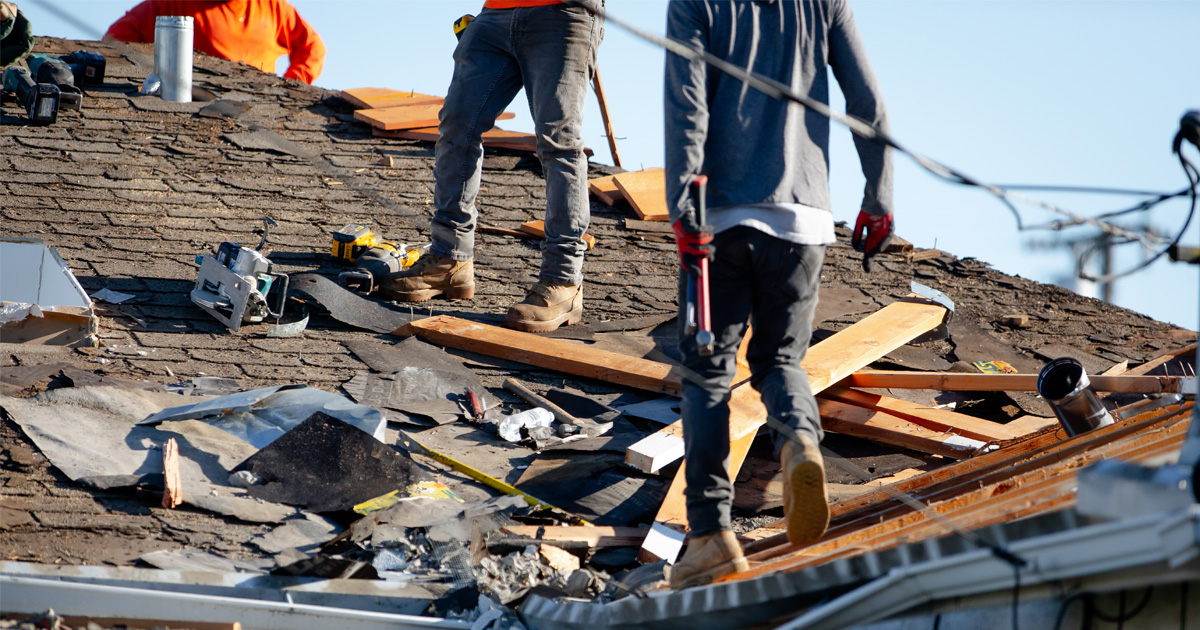
Roofing systems function as a complete protective barrier. Once underlying layers such as decking or underlayment are compromised, surface fixes cannot restore full integrity.
During a full replacement, existing materials are removed, the structure is evaluated, and new materials are installed across the entire surface. This resets the system instead of layering repairs over aging components.
Signs of Roof Damage That Suggest Bigger Problems
Sometimes what looks minor on the surface signals deeper deterioration underneath.
Common warning signs include:
Curling or cracked shingles
Granule loss across multiple sections
Soft spots when walking on the surface
Water stains in the attic
Sagging roof lines
If you are unsure whether your shingles are simply aging or truly failing, reviewing early indicators that asphalt shingles are nearing the end of their lifespan can help you better understand progression patterns.
The key difference is whether the issue is isolated or systemic.
What Happens During a Roof Inspection
Before deciding anything, a professional roof inspection gives you clarity.
Here is what typically happens:
Evaluation of shingle condition and visible wear
Inspection of flashing and roof penetrations
Assessment of valleys and drainage areas
Attic review for moisture intrusion or structural concerns
Ventilation and airflow analysis
Inspection replaces guesswork with evidence. You might think the issue is small, but inspection can reveal hidden deterioration. Other times, what appears serious is limited to a specific area.
Understanding Roof Replacement Cost Factors
You might be asking how much full system replacement actually costs.
Several variables influence overall expense:
Roof Size
Larger surfaces require more materials and labor.
Material Selection
Asphalt shingles are typically more affordable than metal or specialty systems, though each material offers different lifespan expectations.
Roof Complexity
Steeper slopes and complex designs increase labor time.
Structural Repairs
If decking or underlayment shows deterioration, additional work may be required.
Tear Off Requirements
Removing existing layers before installing new material increases labor but improves long term durability.
It is important to compare long term value, not just upfront pricing. Repeated repairs over time can sometimes exceed the cost of replacing the system once.
Repair vs Full System Replacement: Thinking Long Term
If you are trying to decide, think about timeline and goals.
Repair is often:
Less expensive initially
Faster to complete
Ideal for localized issues
Full system replacement is typically:
Higher upfront investment
More durable long term
Designed to restore structural integrity
If you plan to stay in your home for many years, investing in a new system may reduce ongoing stress and maintenance. If the structure remains strong and the issue is limited, repair may be sufficient.
Common Mistakes to Avoid
Homeowners often:
Delay inspection after spotting leaks
Repair the same area repeatedly
Ignore attic moisture
Focus only on upfront price
Overlook structural roof issues
The main difference between a temporary fix and a long term solution is understanding the root cause.
A Practical Decision Framework
Ask yourself:
Is the damage isolated or widespread?
Has the roof reached the end of its roof lifespan?
Have repairs been repeated multiple times?
Did inspection reveal deeper structural concerns?
Are you planning to stay in the home long term?
If multiple red flags appear, replacing the system often becomes the safer choice.
If the system remains structurally strong and damage is localized, repair may extend performance effectively.
FAQs
If damage affects large sections, leaks appear in multiple areas, or structural issues are present, full replacement is often recommended.
Roof lifespan depends on material. Asphalt shingles typically last 15 to 30 years with proper maintenance.
Partial replacement is possible in some cases, but uneven aging may occur if older materials continue deteriorating.
Yes. A professional roof inspection provides objective information and prevents costly assumptions.
Not always. If the structure is sound and damage is minimal, repair may extend service life effectively.
Making a Confident Decision
Choosing between repair and full system replacement does not have to feel overwhelming. The key is evaluating the true condition of your roof rather than reacting to surface damage alone.
If you would like a professional evaluation to better understand your options, you can explore available roofing services to learn more about inspection and installation processes.
Disclaimer
This article is for informational purposes only. Roofing conditions vary depending on materials, installation quality, age, and environmental exposure. Always obtain a professional evaluation before making repair or replacement decisions.