- By Premium Siding & Painting Company
- Roofing
- 0 Comment
Residential Metal Roofing vs Asphalt Shingles: Which One Should You Choose?
Choosing the right roofing material can feel overwhelming, especially when you are comparing residential metal roofing with traditional shingles. You might be wondering which option lasts longer, costs less over time, and holds up better in changing weather conditions.
If you are trying to understand whether this type of roof is a smart long-term investment, this guide on what to expect before installing a metal roof can help you see how it performs over time.
This decision matters because your roof affects your home’s protection, energy efficiency, and long-term expenses. In this guide, you will learn how these two options compare so you can make a decision that fits your goals and your budget.
Understanding Residential Metal Roofing and Asphalt Shingles
When you start comparing roofing materials, it helps to understand how each one works in real-world conditions.
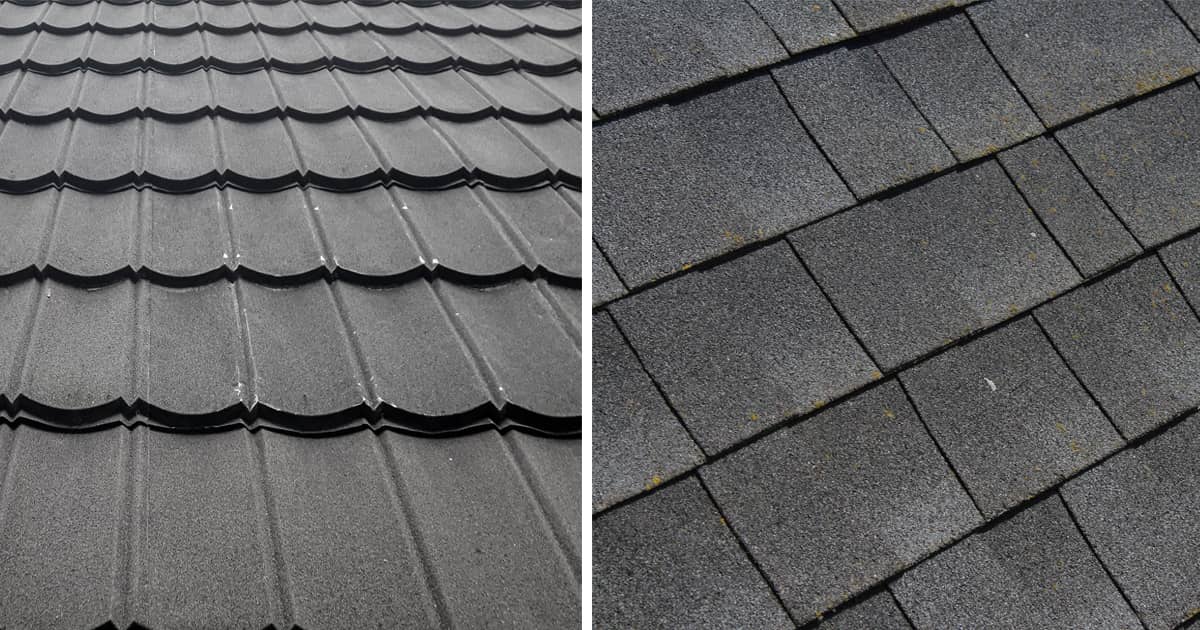
Residential metal roofing is made from materials like steel or aluminum and is built for durability. Asphalt shingles are made from fiberglass and asphalt, which makes them more affordable and widely used.
The main difference comes down to how they perform over time. Metal roofs are known for long-term strength, while shingles are often chosen for their lower upfront cost.
Another important factor is installation. Metal roofing often requires more specialized installation techniques, while shingles are faster and more straightforward to install. This difference can affect both labor costs and project timelines.
Metal Roof vs Asphalt Shingles: Key Differences
When comparing a metal roof vs asphalt shingles, there are several factors that will influence your decision.
Lifespan and durability
Metal roofs are known for lasting decades. Many systems can last 40 to 70 years with proper installation and maintenance. This works because metal resists cracking, shrinking, and erosion.
Shingles usually last 15 to 30 years. Over time, you may notice curling, cracking, or granule loss, especially in areas with strong sun exposure.
In a roof lifespan comparison, this difference becomes one of the biggest deciding factors. If you want to avoid multiple replacements over time, metal roofing provides a long-term solution.
Cost and long-term value
The metal roof cost texas homeowners should expect is higher upfront. However, the long-term value often balances that cost because metal roofs do not need to be replaced as frequently.
Shingles cost less at the start, which can make them a practical option for many homeowners. However, when you factor in repairs and replacements over time, the total cost may increase.
For example, a homeowner who installs shingles may need to replace the roof two or three times over several decades. A metal roof may only need one installation during that same period.
Roofing installation types and timelines
Installation plays a bigger role than many people expect.
Metal roofing installation typically takes longer and requires experienced professionals who understand how to properly secure panels and manage expansion and contraction.
Shingle installation is faster and more common, which can reduce labor costs and shorten project timelines.
If timing is important, shingles may offer a quicker solution, while metal roofing focuses more on long-term performance.
Roofing Materials Comparison for Everyday Living
A roofing materials comparison should also consider how each option affects your daily life.
Metal roofing is often quieter than expected when installed with proper insulation. Many homeowners are surprised that rain noise is not significantly louder than other roofing types.
Shingles provide a familiar look and feel, which can be appealing if you prefer a traditional appearance.
Here is a simple breakdown:
Metal roofing offers long-term reliability and performance
Shingles provide affordability and simplicity
Your decision should reflect how long you plan to stay in your home and how much maintenance you are willing to manage.
Roof Maintenance Differences You Should Know
Maintenance is one of the most important long-term considerations.
Metal roofs require minimal upkeep. Most homeowners only need periodic inspections and basic cleaning. If you want a better understanding of what that involves, this practical guide to maintaining a metal roof explains the typical maintenance process.
Shingles require more frequent attention. You may need to replace damaged sections, check flashing, and remove debris to prevent moisture buildup.
Over time, these roof maintenance differences can affect both cost and convenience.
Energy Efficient Roofing and Heat Performance
Energy efficiency is another major factor, especially in warmer climates.
Metal roofs reflect sunlight, which helps reduce heat absorption. This can lead to lower indoor temperatures and reduced energy use during hot seasons.
Shingles absorb more heat, which can increase attic temperatures and make cooling systems work harder.
This is why many homeowners consider energy efficient roofing when evaluating long-term comfort and cost savings.
Roofing Durability in Changing Weather
Weather conditions can have a significant impact on roof performance.
Metal roofing is designed to handle extreme conditions. It performs well in heavy rain, strong winds, and prolonged sun exposure. This makes it a reliable option for roofing durability texas homeowners often need.
Shingles still provide protection, but they may wear down faster under harsh conditions.
If your home is exposed to frequent storms or intense heat, choosing a more durable material can help prevent future issues.
If you want to better understand how these materials perform locally, you can review what to expect from metal roofing options available in your area.
Appearance and Style Options
The appearance of your roof plays an important role in your home’s overall look.
Metal roofing comes in a wide range of colors and finishes. Some styles are designed to resemble traditional shingles or tiles.
Shingles offer a classic and familiar appearance. They are available in many colors and textures, making them easy to match with different home styles.
Choosing the right look depends on your personal preference and the style of your home.
Common Mistakes to Avoid
Many homeowners focus only on upfront cost, which can lead to issues later.
Here are some common mistakes to avoid:
Choosing the cheapest option without considering long-term value
Ignoring maintenance requirements
Overlooking energy efficiency
Waiting too long to replace an aging roof
Not considering how long you plan to stay in your home
Taking the time to evaluate these factors can help you make a more informed decision.
FAQs
You should consider your budget, how long you plan to stay in your home, and how much maintenance you are comfortable with.
In many cases, yes. The longer lifespan and lower maintenance can offset the higher upfront cost.
Metal roofing is often better because it reflects heat and improves energy efficiency.
Shingles typically last 15 to 30 years, while metal roofs can last significantly longer.
Yes, but it is usually minimal compared to shingles.
Making a Smart Roofing Decision for Your Home
Choosing between these two materials depends on your priorities. If you want long-term durability, lower maintenance, and improved energy efficiency, metal roofing offers clear advantages. If your main goal is a lower upfront cost and faster installation, shingles can still be a practical choice.
If you want to explore your options further and understand what works best for your situation, you can learn more through professional roofing services.
Disclaimer
This content is for informational purposes only and should not be considered professional advice. Every home is different, and roofing decisions should be based on a proper evaluation of your specific situation.