- By Premium Siding & Painting Company
- Siding
- 0 Comment
What Are Residential Siding Solutions and Which One Is Right for Your Home?
You might be wondering if your home’s exterior is still doing its job or if it is time for an upgrade. Many homeowners begin looking into residential siding solutions when they notice fading, cracks, higher energy bills, or visible wear. These issues matter because your siding protects your home from weather, moisture, and long term damage.
If you are comparing options and trying to understand what actually works, it helps to see how different materials perform in real situations. This guide on how various siding materials compare in real conditions gives you a clearer picture of how each option holds up over time and can help you narrow down your choices.
In this guide, you will learn how siding works, what your options are, and how to choose the best fit for your home.
Understanding Residential Siding Solutions for Modern Homes
Residential siding solutions refer to the different systems and home siding materials used to protect and improve the exterior of your house. These solutions are designed to balance durability, appearance, and efficiency.
You are not just choosing something that looks good. You are choosing something that protects your home every day. The right siding helps regulate indoor temperatures, reduces exposure to moisture, and supports long term structural integrity.
Most homeowners begin exploring siding replacement choices when their current siding shows clear signs of wear or when they want to improve both performance and appearance.
Common Types of Home Siding Materials
When you start comparing materials, you will notice that each option has its own strengths and tradeoffs.
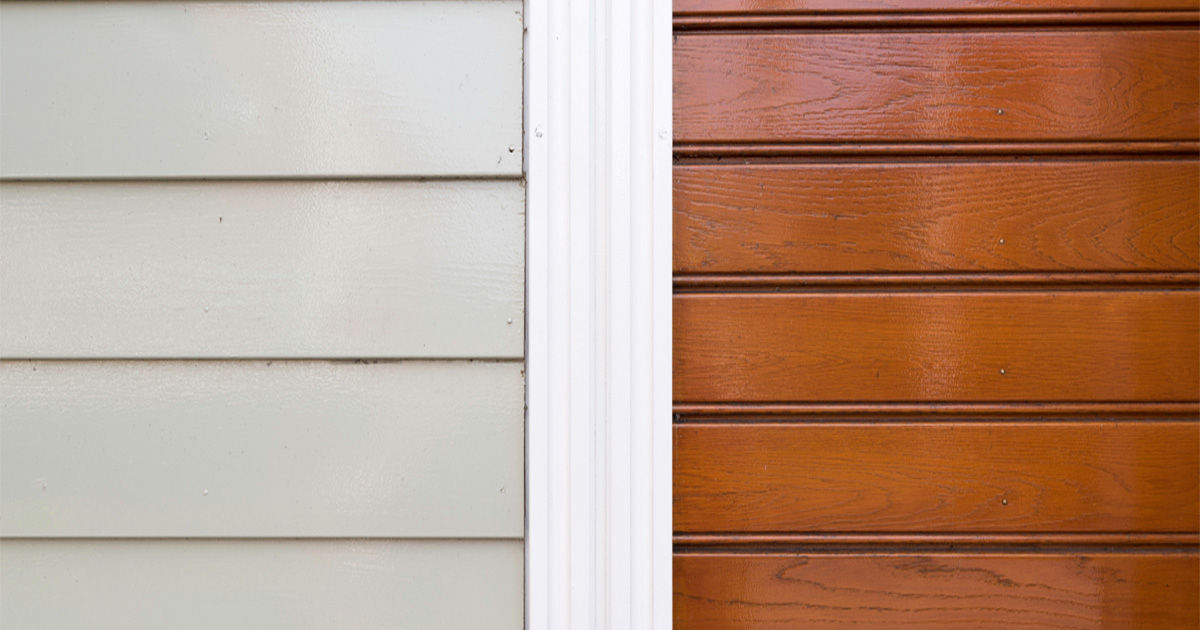
Vinyl siding is often chosen because it is affordable and easy to maintain. It performs well in many situations and does not require much upkeep, although it can fade over time and may not handle impact as well as other materials.
Fiber cement siding is known for its strength and durability. It resists fire, pests, and moisture, making it a reliable long term option. While the upfront cost is higher, many homeowners find that the long lifespan makes it a worthwhile investment.
Wood siding offers a natural and traditional look that stands out visually. However, it requires consistent siding maintenance to prevent issues related to moisture and pests. This option is best if appearance is a top priority and you are prepared for ongoing care.
Engineered wood siding provides a balance between appearance and performance. It looks similar to natural wood but is designed to be more resistant to moisture and wear. Maintenance is still required, but it is generally more manageable.
Metal siding is gaining popularity, especially for modern homes. It is strong, long lasting, and resistant to fire. However, it can dent under impact and may not suit every home style.
How to Choose the Right Option for Your Home
Choosing the right siding is not just about appearance. It is about how well the material fits your environment, your budget, and your expectations over time.
Climate plays a big role. If your home is exposed to strong sun or temperature changes, you need materials that can handle those conditions without breaking down quickly.
Budget is another important factor. The cost of siding replacement for homes varies depending on materials and labor. Some options cost more at the start but require less maintenance and last longer, which can save money over time.
Maintenance expectations also matter. If you want something that requires very little upkeep, certain materials will be a better fit than others.
Durability is often one of the biggest concerns. If you want to understand how long different materials typically last, this resource on which siding options tend to last the longest can help you compare long term performance.
Repair or Replace: How to Decide
It is common to question whether you need a full replacement or if repairs will be enough. The answer depends on the condition of your current siding.
Small issues such as minor cracks or limited damage can often be repaired without replacing everything. This can help extend the life of your siding and reduce immediate costs.
However, if the damage is widespread or if you find yourself dealing with repeated repairs, a full replacement may be the more practical option.
If you are unsure, learning more about the repair process can help you make a better decision. This guide on when siding repair makes sense and what to expect explains how repairs are typically handled and when they are the right choice.
Benefits of Upgrading Your Siding
Upgrading your exterior home siding can make a noticeable difference in both performance and appearance. Many homeowners experience improved insulation, fewer maintenance issues, and better overall protection from weather conditions.
Modern materials are designed to handle environmental stress more effectively, which helps extend the lifespan of your exterior. At the same time, updated siding improves curb appeal and can increase the overall value of your property.
Common Mistakes to Avoid
When exploring siding installation options, it is easy to focus only on short term costs. Many homeowners choose based on price without considering long term durability.
Another common mistake is underestimating maintenance. Some materials require more upkeep than expected, which can become inconvenient over time.
Ignoring climate conditions can also lead to poor performance. Materials that do not match your environment often wear out faster.
Delaying repairs is another issue. Small problems can quickly turn into larger ones when left unaddressed.
What to Expect During a Siding Project
A typical siding project begins with a full inspection of your current exterior. This step helps identify any underlying problems before installation begins.
Once materials are selected, the existing surface is prepared to ensure proper installation. The siding is then installed carefully, followed by a final inspection to confirm everything is completed correctly.
Understanding this process helps you feel more confident about what to expect from start to finish.
FAQs
The best option depends on your goals, budget, and environment. Vinyl and fiber cement are among the most commonly used materials.
Siding lifespan varies depending on the material and maintenance. Some options last decades, while others last longer with proper care.
Fiber cement and metal siding are often considered the most durable choices.
Materials that resist heat and UV exposure tend to perform better in warmer environments.
Common signs include cracking, warping, fading, and increasing energy costs.
Making the Right Choice for Your Home Exterior
Choosing the right siding comes down to understanding your priorities, your environment, and how much maintenance you are comfortable handling. When you take the time to evaluate your options, you can make a decision that supports both performance and long term value.
If you want to better understand what a full upgrade involves, you can explore more about siding services and what to expect during a professional project.
Disclaimer
This content is for informational purposes only and should not be considered professional advice. Every home is different, and siding needs can vary depending on structure, environment, and existing conditions. A professional evaluation is recommended.