How Weather Affects Roofs Throughout the Year
How Weather Affects Roofs Throughout the Year
Table of Contents
- 1. Why Weather Has Such a Big Impact on Roofs
- 2. How Weather Affects Roofs During Hot Weather
- 3. Rain and Moisture Problems Often Start Small
- 4. Wind and Storm Damage May Not Always Be Visible
- 5. Seasonal Weather Changes Can Slowly Affect Roof Performance
- 6. Common Roofing Mistakes Homeowners Make After Severe Weather
- 7. Different Roofing Materials Respond to Weather Differently
- 8. When It May Be Time for a Roof Inspection
- 9. FAQ
- 10. Key Takeaways
- 11. Need Help Protecting Your Roof From Weather Damage?
- 12. Disclaimer
Your roof handles changing weather conditions every day of the year. Heat, rain, humidity, strong winds, and seasonal storms all place stress on roofing materials over time. While some damage happens suddenly during major storms, many roofing problems develop gradually and may not become noticeable until larger issues appear inside the home.
Understanding how weather affects roofs can help you recognize warning signs earlier and make better decisions about maintenance and repairs. Different weather conditions affect roofing systems in different ways, and some materials hold up better under certain conditions than others. Homeowners comparing roofing options may benefit from learning more about the different types of roofing materials available for residential homes before making long-term roofing decisions.
In this guide, you’ll learn how weather affects residential roofing systems throughout the year, what warning signs homeowners should monitor, and how regular maintenance may help reduce long-term roofing problems.
1. Why Weather Has Such a Big Impact on Roofs
Roofing systems remain fully exposed to outdoor conditions every hour of every day. Unlike many other parts of your home, the roof absorbs direct sunlight, handles heavy rain, and takes the full impact of strong winds and seasonal storms.
Over time, weather exposure can gradually weaken roofing materials. This happens because roofing systems constantly expand, contract, dry out, and absorb moisture depending on changing weather conditions. Even smaller weather-related issues can eventually lead to larger roofing concerns if they are ignored for too long.
For example, a few lifted shingles after a storm may not seem serious immediately. However, once water begins entering beneath roofing materials, moisture can slowly spread into insulation, attic spaces, and roof decking. Problems that start small may eventually affect multiple parts of the roofing system if repairs are delayed.
Many homeowners do not realize roofing damage is developing because the early warning signs are often subtle. In many situations, damage appears gradually over several months before becoming noticeable indoors.
Roofs also experience stress differently depending on material type, ventilation quality, drainage systems, and overall maintenance history. Homes exposed to prolonged heat or repeated storms throughout the year may experience faster roofing deterioration than homeowners expect.
2. How Weather Affects Roofs During Hot Weather
Extreme heat and prolonged sun exposure can slowly wear down roofing materials over time. During hot weather, roof surfaces absorb large amounts of heat throughout the day. Roofing materials then cool again at night, creating constant expansion and contraction.
This repeated movement may gradually weaken shingles, flashing, and roofing sealants.
Asphalt shingles are especially vulnerable to prolonged UV exposure. Excessive heat can cause shingles to dry out, curl, crack, or lose protective granules. Once these protective layers begin wearing away, the roof becomes more vulnerable to leaks and moisture intrusion during future storms.
Metal roofing systems often perform differently under heat exposure. While metal roofs can reflect sunlight effectively, repeated expansion and contraction may eventually affect seams or fasteners if the roof is older or improperly installed.
Some common signs of heat-related roofing wear include:
- Curled shingles
- Faded roofing materials
- Brittle shingles
- Increased attic temperatures
- Higher cooling costs inside the home
Poor attic ventilation can make these issues worse. Without proper airflow, trapped heat may increase moisture buildup underneath the roof structure and accelerate roofing deterioration from below.
Homeowners sometimes assume roofing damage only happens during storms, but prolonged heat exposure can gradually shorten roof lifespan as well. This is especially true for older roofs that already have weakened materials or previous repairs.
Long periods of intense sunlight can also affect sealants around vents, skylights, and flashing. Once these areas begin deteriorating, even minor rainfall may create opportunities for water intrusion later.
3. Rain and Moisture Problems Often Start Small
Rain is one of the most common causes of long-term roofing damage. Although roofing systems are designed to handle water exposure, even small vulnerabilities may eventually allow moisture to enter beneath roofing materials.
Leaks often begin around flashing, roof penetrations, skylights, vents, or damaged shingles. These issues are not always obvious immediately because water can slowly spread inside ceilings or attic spaces before becoming visible indoors.
Some common moisture-related roofing problems include:
- Ceiling water stains
- Mold or mildew growth
- Damaged attic insulation
- Rotting roof decking
- Soft or sagging roof areas
Clogged gutters can also contribute to moisture problems. When gutters cannot drain properly, water may begin pooling near roof edges or backing up beneath shingles during heavy rain.
This works because trapped moisture gradually weakens roofing structures over time. Even small leaks can eventually create larger structural concerns if water continues spreading unnoticed.
Many homeowners wait until interior water stains appear before addressing roofing concerns. Unfortunately, by the time visible stains develop indoors, moisture may have already been spreading beneath the roofing system for quite some time.
Humidity can also create long-term roofing concerns, especially in homes with poor attic ventilation. Excess moisture buildup inside attic spaces may contribute to mold growth, wood rot, and insulation problems even when obvious roof leaks are not present.
Seasonal rainstorms may also expose roofing weaknesses that developed months earlier. Small cracks, lifted shingles, or aging flashing may suddenly become more noticeable once prolonged rainfall begins affecting vulnerable areas.
4. Wind and Storm Damage May Not Always Be Visible
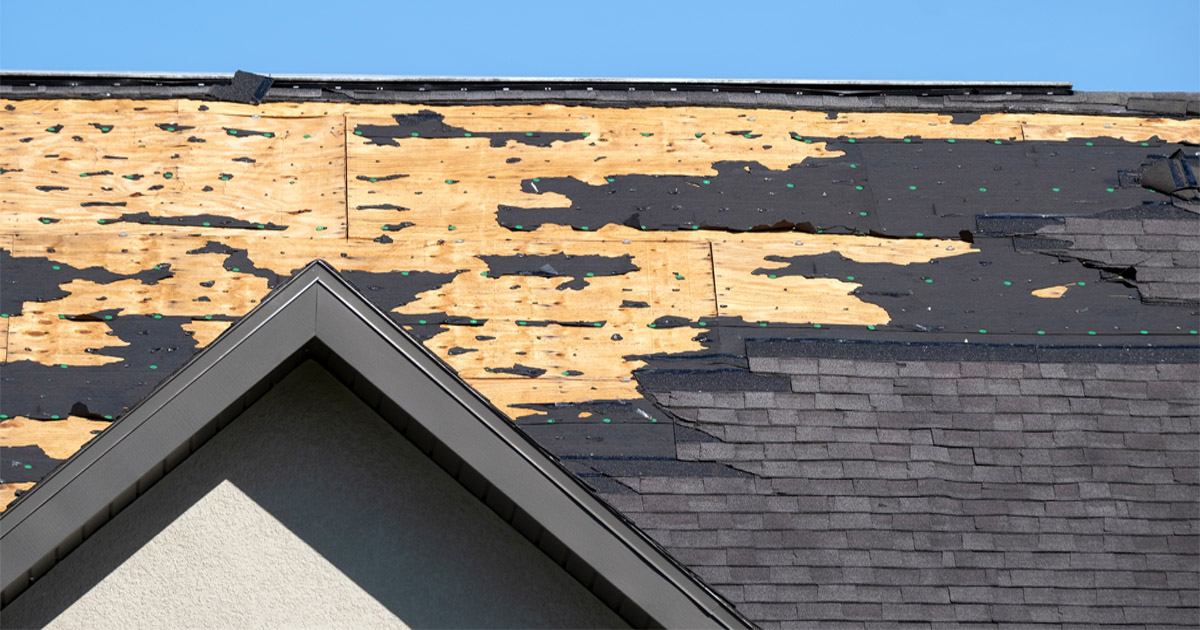
Strong winds can affect roofing systems even when damage is not immediately visible from the ground. Wind pressure may loosen shingles, separate flashing, or expose roofing materials to future moisture problems.
Severe storms can also create impact damage from fallen branches or flying debris. Homes surrounded by mature trees often face additional risks during strong storms and heavy winds.
You might be wondering how homeowners can recognize storm-related roofing concerns before leaks begin appearing indoors. Some common warning signs include:
- Missing shingles
- Lifted roofing edges
- Loose flashing
- Granules collecting in gutters
- Debris buildup on the roof
Even relatively small storm damage can eventually create larger roofing problems if repairs are delayed. Water may slowly enter beneath exposed roofing materials after protective layers become disturbed.
In many situations, working with a professional team that understands what to look for during a roofing inspection may help homeowners identify weather-related roofing damage before leaks become more serious.
Storm-related roofing damage is not always dramatic. Sometimes a roof may look relatively normal from the ground while hidden moisture intrusion continues spreading underneath roofing materials.
High winds may also weaken roofing materials gradually over time even when major storm events are uncommon. Repeated wind exposure can slowly loosen shingles and flashing, especially on aging roofs.
After major storms, many homeowners focus only on visible exterior damage. However, attic spaces and ceilings may reveal early signs of moisture intrusion that are easy to overlook initially.
5. Seasonal Weather Changes Can Slowly Affect Roof Performance
Roofing systems respond differently as weather conditions change throughout the year. Seasonal temperature shifts place additional stress on roofing materials because roofs constantly expand and contract during changing weather conditions.
Cooler temperatures may make some roofing materials more brittle, while warmer weather can soften roofing adhesives and sealants. Humidity may also increase moisture buildup inside attic spaces if ventilation is poor.
Over time, these repeated seasonal changes can gradually affect roof durability and long-term performance.
Some practical maintenance habits that may help reduce seasonal roofing concerns include:
- Cleaning gutters regularly
- Monitoring attic ventilation
- Checking for damaged shingles
- Trimming nearby tree branches
- Looking for ceiling stains indoors
Preventive maintenance often helps homeowners identify smaller concerns before severe weather creates more expensive roofing damage.
Homeowners who ignore seasonal maintenance sometimes miss early warning signs that could have been repaired much more easily months earlier. Regular roof monitoring throughout the year can help reduce the likelihood of larger repairs later.
Changing weather conditions may also affect different sections of the roof unevenly. Areas exposed to direct sunlight for longer periods or sections where drainage is poor may deteriorate faster than other parts of the roof.
Some homeowners notice roofing problems most frequently during seasonal transitions because changing temperatures place extra stress on roofing materials that are already aging.
6. Common Roofing Mistakes Homeowners Make After Severe Weather
One of the most common mistakes homeowners make after storms is assuming roofing damage is always obvious. In reality, many weather-related roofing problems remain hidden for weeks or months before noticeable symptoms appear indoors.
Another common issue is delaying inspections after severe storms. Small leaks, flashing separation, or lifted shingles may continue worsening if repairs are postponed.
Some homeowners also attempt temporary repairs without fully identifying the underlying issue. While surface-level fixes may seem helpful initially, hidden moisture problems can continue spreading underneath the roof.
Common post-storm mistakes include:
- Ignoring small leaks
- Waiting too long for inspections
- Overlooking attic moisture
- Failing to clean gutters
- Assuming newer roofs cannot develop damage
Weather exposure affects homes differently depending on roof age, ventilation, drainage systems, and maintenance history. Homeowners dealing with recurring roofing concerns after storms or prolonged heat exposure may benefit from working with a local roofing team familiar with weather-related roof damage in nearby communities before smaller issues become larger repairs.
Waiting too long to address weather-related roofing concerns often allows moisture damage to spread deeper into roofing structures. In many cases, early inspections may help homeowners avoid more extensive repairs later.
Another common mistake is assuming insurance inspections automatically identify every roofing concern. While insurance assessments may focus on visible storm damage, smaller maintenance-related problems may still require additional attention.
7. Different Roofing Materials Respond to Weather Differently
Not all roofing materials handle weather exposure the same way. Some roofing systems perform better during high temperatures, while others provide stronger protection against storms or moisture.
Asphalt Shingles
Asphalt shingles are one of the most common roofing materials used on residential homes. They are affordable and widely available, but prolonged UV exposure may gradually dry out shingles over time. Aging asphalt shingles may also lose protective granules and become more vulnerable during storms.
Metal Roofing
Metal roofing systems often perform well in hot climates because they reflect heat effectively. Metal roofs are also known for long-term durability. However, repeated expansion and contraction during changing temperatures may eventually affect seams or fasteners if the roof is older.
Tile Roofing
Tile roofing systems generally provide strong weather resistance and durability. They often perform well under prolonged heat exposure. However, tile roofs can crack if impacted by heavy debris or falling branches during storms.
Wood Shingles
Wood shingles provide a natural appearance but usually require more ongoing maintenance than other roofing materials. Moisture buildup and humidity can gradually affect wood roofing systems if proper maintenance is neglected.
Choosing roofing materials often depends on climate conditions, maintenance expectations, budget, and long-term durability goals.
8. When It May Be Time for a Roof Inspection
Roof inspections can help identify weather-related concerns before they become more serious structural problems. While many homeowners schedule inspections after severe storms, regular inspections may also help detect gradual wear caused by long-term weather exposure.
Situations where inspections may be especially helpful include:
- After strong storms or hail
- When leaks appear indoors
- If shingles appear damaged
- Before buying or selling a home
- When the roof is aging
Routine inspections may help homeowners better understand the condition of their roofing system and identify maintenance concerns earlier.
Many roofing issues are easier and less expensive to address when caught early. Waiting until major leaks or visible structural damage appears can sometimes lead to more complicated repairs.
Professional inspections may also help homeowners identify issues that are difficult to see from the ground. Small flashing separation, hidden moisture intrusion, or ventilation concerns are often easier to detect during a closer inspection.
9. FAQ
Can hot weather damage roofing materials?
Yes, prolonged heat exposure can gradually affect roofing materials over time. High temperatures may dry out shingles, weaken roofing sealants, and increase expansion and contraction throughout the roofing system. Over time, this repeated stress may contribute to cracking, curling, or premature roofing deterioration.
How can homeowners tell if weather is damaging their roof?
Some warning signs include missing shingles, loose flashing, granules in gutters, ceiling stains, or visible roof sagging. However, some weather-related roofing problems remain hidden until moisture begins spreading indoors. Routine inspections may help homeowners identify smaller concerns before larger damage develops.
Does heavy rain always lead to roof leaks?
Not necessarily. Properly maintained roofing systems are designed to handle rain effectively under normal conditions. However, aging materials, damaged flashing, clogged gutters, or existing vulnerabilities may increase the likelihood of leaks during prolonged storms or heavy rainfall.
What type of weather causes the most roof damage?
Different weather conditions create different types of roofing damage. Heat may gradually accelerate material deterioration, while strong winds and hail can create sudden physical damage. Moisture exposure can also contribute to long-term structural concerns if leaks develop beneath roofing materials.
How often should roofs be inspected?
Many homeowners schedule roof inspections annually or after severe weather events. Older roofing systems or homes exposed to frequent storms may benefit from more frequent inspections throughout the year. Regular inspections can help identify weather-related wear before larger structural concerns develop.
Key Takeaways
Weather conditions can gradually affect roofing systems throughout the entire year. Heat, rain, humidity, strong winds, and seasonal storms all place stress on roofing materials in different ways. While some roofing damage happens suddenly during severe weather, many problems develop slowly over time and may not become noticeable until larger issues appear inside the home.
Understanding how weather affects roofs can help homeowners recognize early warning signs before repairs become more extensive. Small concerns like lifted shingles, clogged gutters, or flashing damage may eventually lead to leaks and moisture intrusion if left untreated for too long.
Regular maintenance, seasonal inspections, proper attic ventilation, and timely repairs may all help reduce long-term roofing problems. Paying attention to weather-related roofing changes throughout the year can help homeowners better protect their homes and potentially extend the lifespan of their roofing system.
Need Help Protecting Your Roof From Weather Damage?
Weather-related roofing problems can gradually become more expensive if small issues are ignored for too long. Regular inspections and preventive maintenance may help homeowners identify early signs of damage before larger structural concerns develop.
If you are dealing with leaks, storm damage, aging shingles, or other roofing concerns, professional roofing services can help you better understand the condition of your roof and the next steps that may help protect your home long-term.
Disclaimer
This blog is intended for general educational and informational purposes only. Roofing conditions, weather exposure, material performance, and maintenance needs can vary depending on your home, roof age, installation quality, and local environmental conditions. Information in this article should not be considered a substitute for a professional roofing inspection or repair assessment. Homeowners experiencing leaks, visible roof damage, or storm-related concerns should consult a qualified roofing professional for recommendations specific to their property.