Modern Siding Styles for Today’s Homes
Modern Siding Styles for Today’s Homes
Table of Contents
- 1. Why Homeowners Are Updating Exterior Designs
- 2. Modern Siding Styles and Exterior Design Trends
- 3. Popular Materials Used in Contemporary Homes
- 4. Choosing Colors and Textures for a Balanced Exterior
- 5. Vertical and Horizontal Layout Combinations
- 6. Low Maintenance Features Homeowners Prefer
- 7. Exterior Features That Pair Well With Modern Designs
- 8. Common Mistakes Homeowners Should Avoid
- 9. Helpful Planning Tips Before Starting a Project
- 10. FAQ
- 11. Key Takeaways
- 12. Creating a More Timeless Exterior Appearance
- 13. Disclaimer
Modern siding styles have become increasingly popular among homeowners who want a cleaner and more updated exterior appearance. Many people today look for a balance between durability, curb appeal, and lower maintenance when planning an exterior renovation project. Clean lines, neutral color palettes, and textured finishes are now common features in modern home exterior design because they help homes feel current without looking overly trendy.
You might be wondering which siding trends actually work long term and which ones may quickly feel outdated. The good news is that many newer siding designs focus just as much on durability and practicality as they do on appearance. Homeowners also pay closer attention to long-term performance when selecting siding materials, especially when learning what affects the lifespan of exterior siding in different weather conditions.
1. Why Homeowners Are Updating Exterior Designs
Many homeowners today want their homes to feel updated without making the exterior look cold or overly complicated. Simpler architectural lines, practical siding materials, and softer color combinations often create a more balanced appearance while still helping the property stand out.
This shift has influenced many exterior design trends across residential neighborhoods. Instead of relying heavily on decorative details, homeowners now prefer cleaner layouts with siding materials that can maintain their appearance for years without constant upkeep.
Another reason these designs continue growing in popularity is flexibility. Contemporary house siding can work well on ranch-style homes, modern farmhouse layouts, newer construction homes, and even older homes receiving exterior renovations. Many homeowners appreciate that these designs feel modern without looking too extreme or temporary.
You may also notice that many newer homes focus more on texture and contrast rather than excessive decoration. Combining different finishes, subtle architectural accents, and practical siding layouts often creates a more timeless exterior appearance.
2. Modern Siding Styles and Exterior Design Trends
One of the biggest trends in residential siding involves combining multiple textures and layouts instead of covering the entire home with one flat material. This creates more visual depth while helping the exterior feel more customized.
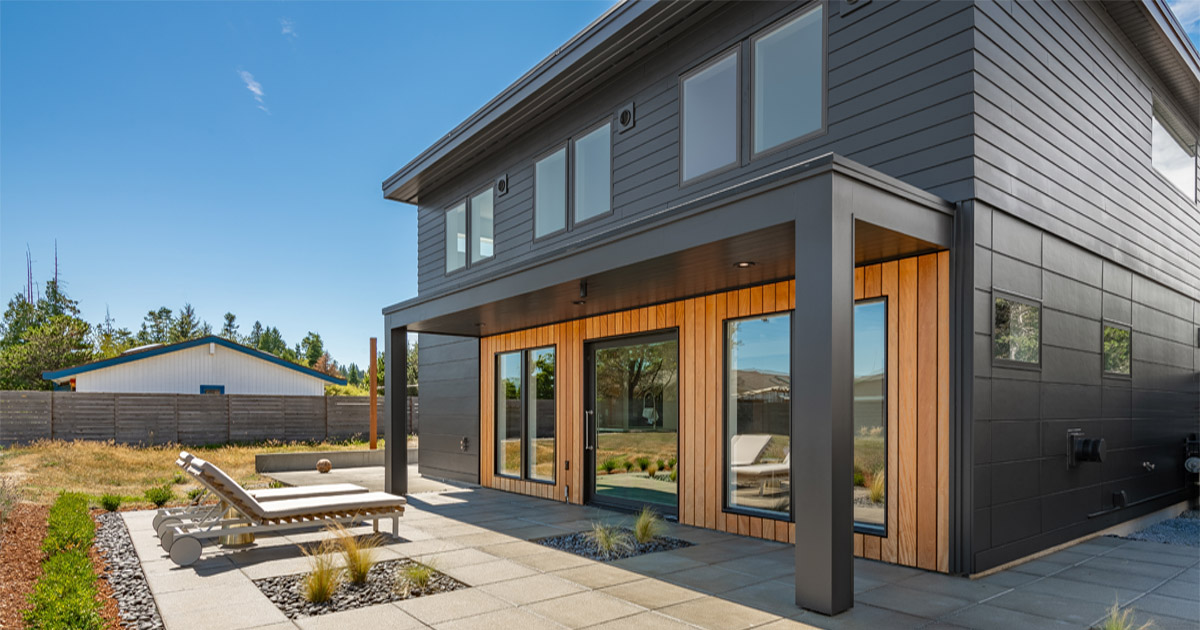
Vertical siding has become especially popular because it creates cleaner lines and gives homes a taller appearance. Horizontal siding still remains common because it provides a more familiar and balanced design. Many homeowners now combine both layouts to create contrast without overwhelming the exterior.
Dark siding colors have also become more common in modern home exterior projects. Charcoal gray, black accents, and deeper neutral tones can create a bold appearance while still maintaining a clean and sophisticated design.
Natural wood-inspired finishes continue gaining popularity because they soften modern layouts and add warmth to the exterior. Even homeowners who prefer minimalist designs often include some type of textured wood accent around entryways, porches, or upper sections of the home.
Modern farmhouse siding also remains a strong design influence because it blends traditional warmth with contemporary simplicity. This design style works especially well for homeowners who want a more updated exterior without making the home look overly industrial or futuristic.
3. Popular Materials Used in Contemporary Homes
The siding material itself has a major impact on both appearance and long-term durability. Some products create a smoother and more minimalist look, while others add warmth and texture that helps the home feel more inviting.
Fiber cement siding remains one of the most common choices for modern exterior siding because it combines durability with design flexibility. It can mimic wood textures while resisting moisture, insects, and weather exposure more effectively than many traditional wood products.
Engineered wood products have also become increasingly popular because they provide the appearance of natural wood while reducing some long-term maintenance concerns. Many homeowners appreciate the balance between texture and durability because these products often maintain their appearance longer than untreated wood materials.
Composite siding systems are another growing option for residential siding projects. These materials often create a cleaner and more structured appearance while requiring less maintenance over time.
Natural wood accents still remain common in many exterior renovation projects because they help soften modern layouts and create visual warmth. Cedar and other wood siding options are frequently used around entryways, covered porches, and upper exterior sections to add texture without dominating the entire design.
Homeowners also pay closer attention to maintenance requirements before choosing materials. Understanding simple ways to keep siding in good condition can help you choose products that better match your long-term expectations and maintenance preferences.
4. Choosing Colors and Textures for a Balanced Exterior
Color selection can completely change how a home looks from the street. Neutral tones remain some of the most popular siding colors because they create a timeless appearance while still feeling modern and updated.
Many homeowners prefer softer combinations because they provide more flexibility with roofing materials, trim colors, and future exterior updates. White, charcoal gray, warm beige, greige, and natural wood-inspired finishes continue appearing in many exterior design trends because they work well with different architectural styles.
Texture also plays a major role in exterior appearance. Smooth siding panels typically create a cleaner and more minimalist look, while textured finishes add warmth and visual depth. Mixed siding textures have become especially popular because they help prevent larger exterior walls from looking too flat or repetitive.
Another important consideration is natural lighting. Some siding colors may appear dramatically different depending on sun exposure, surrounding landscaping, and seasonal weather conditions. This is one reason many homeowners test samples outside before making final decisions.
You may also want to think about long-term maintenance when selecting siding colors. Extremely dark finishes may absorb more heat and show dust or fading more easily depending on the product and climate conditions.
5. Vertical and Horizontal Layout Combinations
Combining vertical siding with traditional horizontal layouts has become one of the easiest ways to modernize a home exterior without making the design feel too aggressive.
Vertical siding naturally draws the eye upward, which can make homes appear taller and more structured. Horizontal siding creates a more familiar and balanced appearance. When these layouts are combined carefully, they often create stronger architectural contrast while still maintaining a clean design.
For example, some homeowners use vertical panels around entryways, garage sections, or upper gables while keeping horizontal siding across the main body of the home. This approach works especially well for modern home exterior projects because it creates visual interest without overwhelming the property.
Another advantage of combining layouts is flexibility. Homes with more complex rooflines or larger exterior walls often benefit from varied siding placement because it breaks up large surfaces and creates a more balanced appearance.
This design approach also works well with mixed siding materials. Pairing vertical fiber cement panels with horizontal wood-inspired textures can create a cleaner and more customized look while still maintaining visual consistency.
6. Low Maintenance Features Homeowners Prefer
Many homeowners prefer low maintenance siding because exterior upkeep can become expensive and time-consuming over the years. Newer siding products now focus heavily on durability, weather resistance, and easier cleaning requirements.
Fiber cement, engineered wood, composite siding systems, and durable vinyl products are all commonly used because they generally require less repainting and fewer repairs compared to older exterior finishes.
This works especially well for homeowners living in areas with changing weather conditions because durable siding materials can better withstand moisture exposure, humidity, temperature shifts, and seasonal storms.
Maintenance expectations also play a major role in long-term satisfaction. Some homeowners prefer materials that only require occasional cleaning, while others are comfortable with more regular upkeep if it means achieving a specific appearance.
Many homeowners planning larger exterior updates also explore local siding installation options for residential properties to better understand which siding layouts and materials fit different home styles and weather conditions.
7. Exterior Features That Pair Well With Modern Designs
Modern exteriors often look best when paired with complementary architectural details. Smaller design updates can significantly improve the overall appearance of the property without requiring a complete exterior remodel.
Black-framed windows remain one of the most popular modern exterior features because they create strong visual contrast while still maintaining a clean appearance. Minimalist lighting fixtures, natural wood entry doors, and stone veneer accents also pair well with modern siding layouts because they help create balance and texture.
Covered front porches continue appearing in many modern farmhouse siding designs because they soften contemporary layouts and create a more welcoming appearance. Some homeowners also include metal accents around roofing edges or exterior trim to support a cleaner architectural style.
You may notice that many successful exterior renovation projects focus more on overall balance rather than trying to include every current design trend at once. Simpler combinations often age better because they remain visually appealing even as trends continue evolving.
8. Common Mistakes Homeowners Should Avoid
One common mistake involves focusing only on appearance while ignoring long-term durability. Some siding products may initially look attractive but require significantly more maintenance over time.
Another issue is choosing siding colors that feel overly trendy. Extremely bold colors may quickly feel outdated and reduce long-term design flexibility.
Poor texture balance can also create problems. Using too many siding materials at once may make the home exterior feel cluttered instead of modern.
Some homeowners also overlook climate conditions when selecting siding materials. Moisture exposure, humidity, direct sunlight, and seasonal weather changes can all affect how siding performs over time.
Careful planning usually produces better long-term results than simply following temporary exterior design trends.
9. Helpful Planning Tips Before Starting a Project
Before beginning an exterior renovation project, it helps to compare different siding materials, layouts, and textures carefully. Looking at real residential examples often gives you a better understanding of how certain designs actually appear outside of showroom photos.
It is also important to think about maintenance expectations, product warranties, weather resistance, and how siding colors will work with roofing materials and trim details. Homes that feel visually balanced often maintain stronger curb appeal over time because the design remains adaptable as trends evolve.
Many homeowners also focus on resale value when planning exterior renovations. Clean layouts, neutral siding colors, and durable siding materials often appeal to a wider range of buyers compared to highly customized or extremely trendy exterior designs.
10. FAQ
What siding styles are considered modern today?
Many modern exteriors use clean lines, mixed textures, vertical panel layouts, and neutral color palettes. Contemporary designs often combine multiple siding materials to create more visual depth and architectural contrast. You will also notice that many homeowners now prefer cleaner finishes and simpler layouts instead of heavily decorative exterior details.
What siding material is easiest to maintain?
Fiber cement, composite products, and certain engineered wood materials are commonly considered lower maintenance options because they resist moisture, insects, and weather-related deterioration more effectively than traditional wood products. These materials generally require less repainting and fewer repairs over time. However, maintenance expectations still vary depending on climate conditions and installation quality.
Does vertical siding work well on smaller homes?
Yes, vertical siding can work very well on smaller homes because it helps create the appearance of additional height and stronger architectural lines. Many homeowners use vertical layouts selectively to create balance and contrast without overwhelming the exterior. This approach often works especially well around entryways, upper gables, or garage sections.
Are darker siding colors harder to maintain?
Darker siding colors may show dust, pollen, or fading more easily depending on the material and climate conditions. However, many newer siding products now include improved color retention and weather-resistant finishes. Some homeowners still prefer darker colors because they create stronger visual contrast and a cleaner modern appearance.
How do homeowners choose the right siding design?
The right design usually depends on your home’s architecture, climate conditions, maintenance expectations, and long-term design goals. Comparing materials and reviewing different exterior siding ideas often helps narrow down the best option. Many homeowners also focus on balancing curb appeal, durability, and practical maintenance needs before making final decisions.
Key Takeaways
- Clean lines and mixed textures remain popular in newer exterior designs
- Vertical siding combinations can add architectural contrast
- Fiber cement and engineered wood products remain common choices
- Neutral siding colors often create a more timeless appearance
- Low maintenance siding materials help reduce long-term upkeep
- Modern farmhouse layouts continue influencing residential design trends
- Texture balance plays a major role in curb appeal
Creating a More Timeless Exterior Appearance
Exterior design trends continue evolving, but the most successful projects usually focus on durability, simplicity, and balanced visual appeal. Clean layouts, practical siding materials, and carefully selected colors often create a more timeless appearance than overly aggressive design choices.
If you are exploring exterior upgrades, reviewing available siding services can help you better understand different material options, layouts, and exterior renovation possibilities.
Disclaimer
This article is intended for informational purposes only and should not be considered professional construction, engineering, or architectural advice. Siding material performance, maintenance needs, installation results, and product lifespan may vary depending on climate conditions, installation quality, maintenance history, and manufacturer specifications. Homeowners should consult qualified exterior professionals before making final renovation or material decisions.