Why Is Proper Attic Airflow Important for Your Roof?
Why Is Proper Attic Airflow Important for Your Roof?
Table of Contents
- 1. Why Proper Attic Airflow Matters
- 2. What Is Roof Ventilation and Why Is It Important?
- 3. Signs Your Attic May Not Be Getting Enough Airflow
- 4. How Different Ventilation Systems Work
- 5. Common Mistakes That Affect Attic Airflow
- 6. When a Professional Roof Inspection Makes Sense
- 7. FAQ
- 8. Key Takeaways
- 9. Protect Your Roof for Years to Come
- 10. Disclaimer
Your roof protects your home from rain, wind, sunlight, and changing temperatures every day, but it also depends on Roof Ventilation to perform properly. Without balanced airflow inside the attic, excess heat and moisture can slowly affect roofing materials, insulation, and overall comfort throughout your home.
Many homeowners don’t think much about attic airflow until they notice higher energy bills, unusual attic temperatures, or signs of moisture. Learning how to protect your roof from seasonal weather damage can also help you understand why proper airflow plays such an important role in keeping your roofing system in good condition throughout the year.
In this guide, you’ll learn how attic airflow works, why it matters, what warning signs to watch for, and how maintaining proper ventilation can help support the long-term performance of your roof.
1. Why Proper Attic Airflow Matters
When people think about roof maintenance, they often picture replacing shingles, cleaning gutters, or repairing flashing after a storm. Those tasks are certainly important, but many homeowners overlook what is happening underneath the roof itself.
Your attic is constantly exposed to changing temperatures. During hot weather, sunlight heats the roof covering for hours at a time. That heat naturally transfers into the attic, causing temperatures to climb much higher than the outdoor air. During cooler months, warm indoor air rises into the attic where moisture may begin to accumulate if fresh air cannot circulate properly.
Without adequate airflow, these conditions continue day after day. Over time, trapped heat and moisture may place unnecessary stress on various parts of the roofing system.
Good attic airflow helps create a healthier environment by allowing cooler outdoor air to enter while pushing warmer, humid air back outside. Instead of allowing conditions to remain stagnant, air continues moving naturally through the attic space.
This simple process supports several parts of your home at the same time. Roofing materials experience less prolonged heat exposure, insulation performs more consistently, and moisture has fewer opportunities to collect beneath the roof deck.
Many homeowners also notice improved indoor comfort because excessive attic heat is less likely to transfer into living spaces during warmer months.
Although every home has unique ventilation needs, maintaining balanced airflow is one of the simplest ways to help protect your roof over the long term.
2. What Is Roof Ventilation and Why Is It Important?
A roof is much more than shingles and underlayment. It functions as a complete system where every component works together to protect your home. Proper attic airflow is one of those important components because it helps regulate both temperature and moisture beneath the roof.
A properly designed roof ventilation system creates continuous airflow throughout the attic. Fresh outdoor air typically enters through intake vents located near the lower edges of the roof, while warmer air naturally exits through exhaust vents positioned near the roof peak.
Because warm air rises naturally, this process creates continuous circulation without requiring homeowners to think about it on a daily basis.
When airflow remains balanced, the attic experiences fewer temperature extremes throughout the year. During the summer, excessive heat has an opportunity to escape instead of remaining trapped beneath the roof. During colder seasons, continuous airflow helps reduce humidity levels that may otherwise contribute to condensation.
This ongoing circulation provides several practical benefits for homeowners.
It may help roofing materials experience less heat-related stress during long periods of high temperatures. Moisture has fewer opportunities to collect around structural components. Insulation may continue performing more efficiently because it remains drier over time. The overall roofing system is also better positioned to perform as intended throughout changing weather conditions.
Ventilation should not be viewed as something that cools your house like an air conditioner. Instead, it creates balanced attic conditions that support the health of your roofing system year after year.
3. Signs Your Attic May Not Be Getting Enough Airflow
Poor attic airflow rarely causes immediate damage overnight. Instead, the effects usually develop gradually, making them easy to overlook during everyday life.
One of the first things many homeowners notice is that upstairs rooms become much warmer than lower levels during summer. While insulation may contribute to this difference, restricted airflow inside the attic can also be a significant factor.
Some people also discover unusual odors inside the attic. A persistent musty smell may indicate excess moisture that has remained trapped instead of circulating outdoors.
Over time, additional warning signs may begin appearing. Condensation can form beneath roof decking during cooler months. Roofing materials may show signs of premature aging. Mold or mildew may begin developing where moisture remains for extended periods.
Higher cooling costs sometimes accompany these issues because excessive attic heat makes it more difficult to maintain comfortable indoor temperatures.
Understanding how changing weather conditions can affect your roof over time also helps explain why attic airflow becomes increasingly important throughout different seasons.
Not every one of these symptoms automatically means your ventilation system is failing. However, noticing several of them together may indicate that your attic deserves a closer evaluation before larger roofing problems develop.
4. How Different Ventilation Systems Help Maintain Healthy Airflow
Every home is built differently, so there isn’t a single ventilation system that works best for every roof. The design of your home, the shape of the roof, the size of the attic, and local weather conditions all influence how air should move through the space.
Most residential roofing systems rely on a combination of intake and exhaust vents. Fresh outdoor air enters through intake vents near the lower portion of the roof, while warmer air naturally exits through vents located closer to the roof peak. This continuous movement creates balanced air circulation instead of allowing heat and humidity to remain trapped.
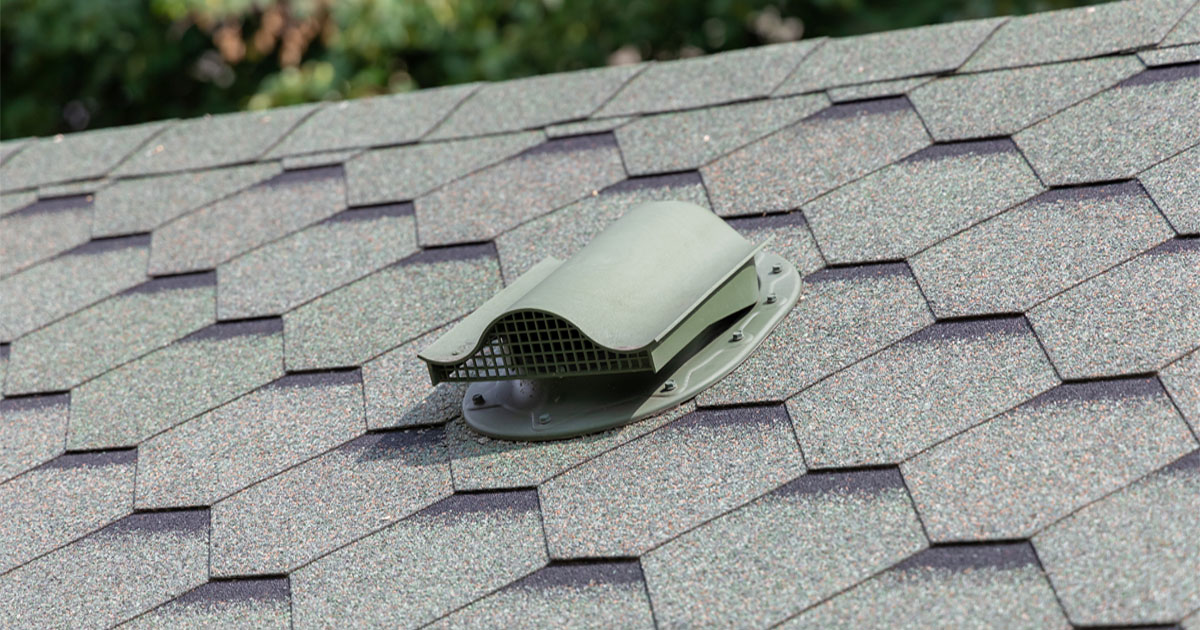
Some homes use ridge vents and soffit vents, while others incorporate gable vents or additional roof vents depending on the home’s design. The goal is never to install as many vents as possible. Instead, the objective is to create balanced airflow that allows fresh air to enter and warm air to leave at a similar rate.
When ventilation components work together correctly, your roofing system is better equipped to handle changing temperatures throughout the year. This balanced approach also supports insulation performance and helps reduce the likelihood of moisture remaining inside the attic for extended periods.
5. Common Mistakes That Affect Attic Airflow
Even homes with ventilation systems can experience problems when airflow becomes restricted. In many cases, homeowners don’t realize something has changed until they begin noticing comfort issues or visible roof concerns.
One of the most common mistakes occurs when insulation blocks soffit vents. These vents are designed to allow fresh air into the attic, but if insulation covers them, the entire airflow cycle becomes less effective.
Roof renovations can also unintentionally reduce ventilation if new materials cover existing vent openings or if replacement components are not installed correctly.
Another issue is assuming more vents automatically improve performance. Without balancing intake and exhaust airflow, adding additional vents may actually reduce the system’s effectiveness rather than improve it.
Regular maintenance also matters. Leaves, dust, insect nests, and other debris can gradually reduce airflow through ventilation openings if they are never inspected.
Fortunately, many ventilation concerns can be identified before they lead to larger roofing problems. Routine inspections help ensure every part of the ventilation system continues working together as intended.
6. When a Professional Roof Inspection Makes Sense
While homeowners can recognize certain warning signs, many ventilation issues develop gradually behind the scenes. Heat accumulation beneath the roof deck or hidden moisture inside the attic may not become obvious until roofing materials begin showing visible wear.
Professional roof inspections provide a more complete evaluation of the roofing system. In addition to examining shingles and flashing, a qualified roofing professional can assess airflow, attic conditions, insulation performance, and other factors that contribute to long-term roof health.
If you’d like to learn how professional roofing services help identify roofing issues, reviewing what a professional evaluation includes can help you better understand how roofing concerns are identified before they become larger repairs.
Routine inspections are particularly valuable after severe storms, during seasonal maintenance, or whenever unusual attic conditions become noticeable. Identifying small concerns early often allows homeowners to make informed maintenance decisions before more extensive repairs become necessary.
FAQ
Does every home need attic ventilation?
Yes, most homes benefit from properly designed attic ventilation because it helps regulate heat and moisture throughout the year. The exact ventilation system depends on the home’s design, roof structure, and local climate. A balanced system helps support the long-term performance of the roofing system rather than simply adding more vents.
Can poor attic airflow increase energy costs?
Excessive attic heat may cause your cooling system to work harder during warmer months, which can contribute to higher energy use. Proper airflow helps reduce heat buildup so insulation can perform more effectively. Although results vary from one home to another, balanced ventilation may improve overall energy efficiency.
What are the warning signs of poor attic airflow?
Common signs include unusually hot attic temperatures, moisture or condensation, musty odors, mold growth, and premature roof aging. Some homeowners also notice higher cooling bills or inconsistent indoor temperatures. These symptoms may have multiple causes, so a professional inspection can help determine whether ventilation is contributing to the problem.
How often should roof ventilation be inspected?
Many homeowners include attic ventilation as part of their routine roof inspections every year or after significant storms. Regular evaluations help identify blocked vents, damaged components, or moisture concerns before they become more serious. Preventive inspections are often easier and less expensive than addressing larger roofing problems later.
Can improving attic airflow extend the life of a roof?
Balanced airflow helps reduce prolonged heat exposure and moisture accumulation beneath the roof, both of which may contribute to premature wear over time. While no ventilation system can prevent normal aging, maintaining proper attic conditions supports the overall health of the roofing system. Combined with regular maintenance, good airflow can help protect your investment for many years.
Key Takeaways
- Balanced attic airflow helps manage heat and moisture throughout the year.
- Proper ventilation supports the overall performance of your roofing system.
- Warning signs often develop gradually and should not be ignored.
- Routine inspections help identify ventilation concerns before they become costly repairs.
- Maintaining healthy attic conditions is an important part of protecting your home over the long term.
Keep Your Roof Performing at Its Best
Understanding how attic airflow works gives you a better foundation for protecting your home over the long term. While proper ventilation is only one part of a healthy roofing system, it plays an important role in reducing heat buildup, managing moisture, and supporting the lifespan of your roof.
If you’d like to learn more about maintaining your roof or the services available to help protect your home, explore our roofing services for additional information about inspections, repairs, maintenance, and replacement solutions.
Disclaimer
This article is intended for general informational purposes only and should not be considered professional roofing, engineering, or construction advice. Every home has different ventilation requirements based on its design, roofing materials, attic configuration, climate, and overall condition. Homeowners should consult a qualified roofing professional for recommendations and evaluations specific to their property.