- By Premium Siding & Painting Company
- Roofing
- 0 Comment
Asphalt Shingles vs Metal Roofing: What’s the Real Difference?
If you are planning a roof replacement, you are probably comparing asphalt shingles vs metal roofing and trying to decide which option makes the most sense for your home. This decision affects your upfront budget, long term maintenance, storm durability, and even how your house handles heat. It is not just about appearance. It is about performance over time.
You might be wondering which material lasts longer, which one stands up better to extreme weather, and whether the higher initial investment in metal truly pays off. In simple terms, asphalt shingles are typically more affordable and easier to install, while metal roofing often lasts longer and offers stronger durability and energy efficiency. The better choice depends on your priorities and how long you plan to stay in your home.
Before comparing materials in depth, it helps to understand how regular inspections and preventative repairs protect any roof. These roof maintenance best practices explain how small issues, when caught early, can extend the life of your roofing system regardless of material type.
Asphalt Shingles vs Metal Roofing: A Practical Comparison
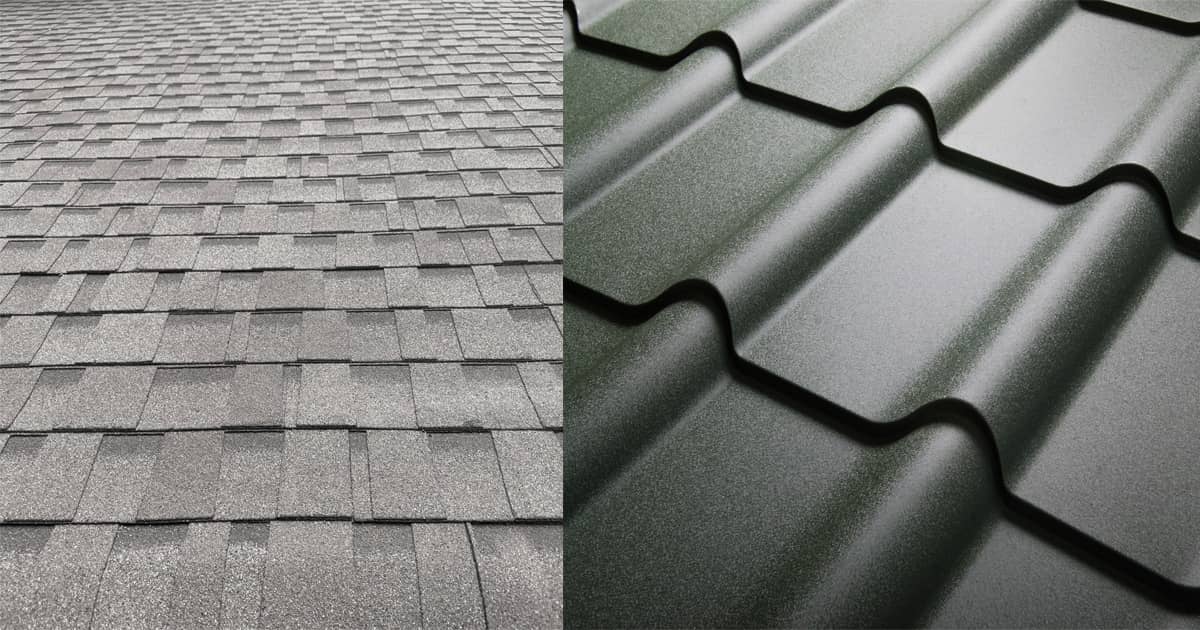
When you compare these two materials side by side, the main difference comes down to short term affordability versus long term durability. Asphalt shingle roofing usually costs less upfront and is widely used in residential construction. Metal roofing typically requires a higher initial investment, but it often lasts significantly longer and may require fewer repairs over time.
Instead of looking at just one factor, it helps to see the differences clearly across cost, lifespan, maintenance, and performance.
Quick Side by Side Comparison
| Feature | Asphalt Shingle Roofing | Metal Roofing |
|---|---|---|
| Upfront Cost | Lower initial investment | Higher initial investment |
| Average Lifespan | 15 to 30 years depending on type | 40 years or more with proper installation |
| Maintenance | Periodic inspections and shingle replacement | Less frequent repairs, periodic seam and fastener checks |
| Wind Resistance Rating | Moderate to high depending on product grade | Generally high due to interlocking panel design |
| Hail Impact Rating | Varies by shingle type and thickness | Often strong impact resistance |
| Energy Efficiency | Absorbs more heat unless reflective options are used | Often reflective and better at reducing heat absorption |
| Installation Complexity | Widely installed, simpler process | Requires specialized training and tools |
This table gives you a quick overview, but your decision should also consider how long you plan to stay in your home, your tolerance for maintenance, and your budget flexibility.
For example, if you are focused on minimizing upfront cost and prefer a traditional residential look, asphalt shingles may align with your goals. If you are thinking about long term durability and reduced replacement frequency, metal roofing may provide stronger long range value.
The key is not just asking which material is better, but asking which one fits your situation best.
Roof Replacement Cost for Asphalt Shingle Roofing and Metal Roofing
When evaluating roof replacement cost, it is important to look beyond just the materials.
Asphalt Shingle Roofing Costs
Asphalt shingles remain one of the most widely used residential roofing materials. They are accessible and generally less expensive to install.
Cost is influenced by:
Roof size and pitch
Removal of old roofing layers
Underlayment quality
Ventilation upgrades
Architectural shingles cost more than traditional 3 tab shingles, but they provide better wind resistance rating and improved roof durability.
If your main goal is controlling upfront cost, asphalt shingles are often the more budget friendly option.
Metal Roofing Costs
Metal roofing systems, including standing seam metal roof panels, require more specialized installation. That increases both material and labor expenses.
Many homeowners ask whether the higher cost makes sense. If you plan to stay in your home long term, the extended lifespan and durability may offset the initial investment.
How Long Do Asphalt Shingles Last Compared to Metal Roofing?
Lifespan differences are significant.
Most 3 tab shingles last around 15 to 20 years. Architectural shingles may last 20 to 30 years with proper maintenance. Asphalt shingles maintenance requirements include monitoring for cracked shingles, loose flashing, and granule wear.
Metal roofing systems often last 40 years or more depending on material type and installation quality. According to the National Roofing Contractors Association, roofing longevity depends heavily on correct installation and regular maintenance.
If you are thinking about long term ownership, the lifespan advantage of metal may influence your decision.
Roof Durability, Wind Resistance Rating, and Hail Impact Rating
Weather performance is a major consideration.
Asphalt Shingles
Modern shingles are tested for wind resistance rating and hail impact rating. Even so, they can still experience:
Shingle lift in high winds
Granule loss during hail events
Cracking from temperature shifts
Repeated severe weather can gradually reduce overall roof durability.
Metal Roofing
Metal panels interlock securely and are designed to resist strong winds. Many systems perform well in storm conditions and offer enhanced structural stability.
If you are weighing metal roof vs shingle roof pros and cons, storm resilience may become a key deciding factor.
Energy Efficiency and Heat Performance
Energy efficiency can affect your comfort and cooling costs.
The U.S. Department of Energy explains that reflective roofing materials can reduce roof surface temperatures and lower cooling demand. Many metal roofing systems incorporate reflective coatings that help deflect solar heat.
Standard asphalt shingles typically absorb more heat, though lighter colors and upgraded materials can improve performance.
If reducing heat buildup is important to you, reflective metal systems may offer measurable benefits.
Maintenance Expectations Over Time
Every roofing system requires maintenance. The difference is frequency.
Asphalt shingle roofing often requires:
Periodic inspections
Replacing damaged shingles
Monitoring flashing and sealants
Metal roofing systems usually involve fewer part replacements, though seams and fasteners should still be inspected occasionally.
For a closer look at long term upkeep, this guide on maintaining a metal roof properly outlines what inspections typically involve and how they support durability.
The key takeaway is simple. Both systems benefit from routine care. One may demand less frequent repair over decades.
Appearance and Design Considerations
You also want a roof that complements your home’s style.
Asphalt shingles offer:
A wide range of colors
Textures that resemble slate or wood
A traditional residential look
Metal roofing offers:
Clean architectural lines
Contemporary appeal
Durable finishes
Your preference may depend as much on design as performance.
Common Mistakes to Avoid
When choosing materials, homeowners sometimes:
Focus only on upfront cost
Overlook ventilation needs
Assume lifespan is guaranteed regardless of installation quality
Skip professional inspection before replacement
Roof performance depends on the entire system, not just the visible surface.
FAQs
It depends on your priorities. Asphalt shingles are typically more affordable upfront, while metal roofing may last longer and offer enhanced durability.
Metal roofing generally involves higher installation costs due to material and labor complexity. Asphalt shingles usually have a lower entry cost.
Asphalt shingles often last 15 to 30 years depending on type and maintenance. Metal roofing systems can last 40 years or more with proper installation.
Yes. Individual shingles can usually be replaced without affecting the entire roofing system.
With proper insulation and underlayment, most modern metal roofing systems are not significantly louder than other materials.
Making a Confident Roofing Decision
Choosing between these materials is not about finding a universal winner. It is about aligning the material with your financial goals and timeline.
If you prefer lower upfront cost and a traditional look, asphalt shingle roofing may be the right fit. If you value longevity and enhanced durability, metal roofing may justify the higher investment.
If you would like to explore installation methods and material options in more detail, reviewing available roofing services can help you better understand how professional installation affects long term performance.
Disclaimer
This article is provided for educational purposes only. Roofing performance, lifespan, and cost vary based on installation quality, structural conditions, climate exposure, and maintenance practices. Always consult a qualified roofing professional for an evaluation specific to your property.
References
National Roofing Contractors Association
https://www.nrca.net/
U.S. Department of Energy
https://www.energy.gov/sites/prod/files/guide_to_cool_roofs.pdf