Choosing Durable Lap Siding Options for Your Home
Choosing Durable Lap Siding Options for Your Home
Table of Contents
- 1. Why Many Homeowners Still Choose Lap Siding
- 2. Durable Lap Siding Options for Long-Term Exterior Performance
- 3. How Durability Impacts Maintenance and Lifespan
- 4. Why Appearance Still Matters for Exterior Design
- 5. Common Problems That Can Affect Siding Performance
- 6. What You Should Think About Before Installing New Siding
- 7. FAQ
- 8. Key Takeaways
- 9. Understanding Long-Term Siding Value
- 10. Disclaimer
Choosing new siding sounds straightforward at first, but once you begin comparing materials, textures, maintenance expectations, and long-term durability, the decision can quickly become overwhelming. Many homeowners researching durable lap siding options are looking for something that improves the appearance of their home while also standing up well to weather, moisture, and everyday wear over time. You want siding that feels practical without sacrificing curb appeal, and you probably want to avoid products that create unnecessary maintenance problems later.
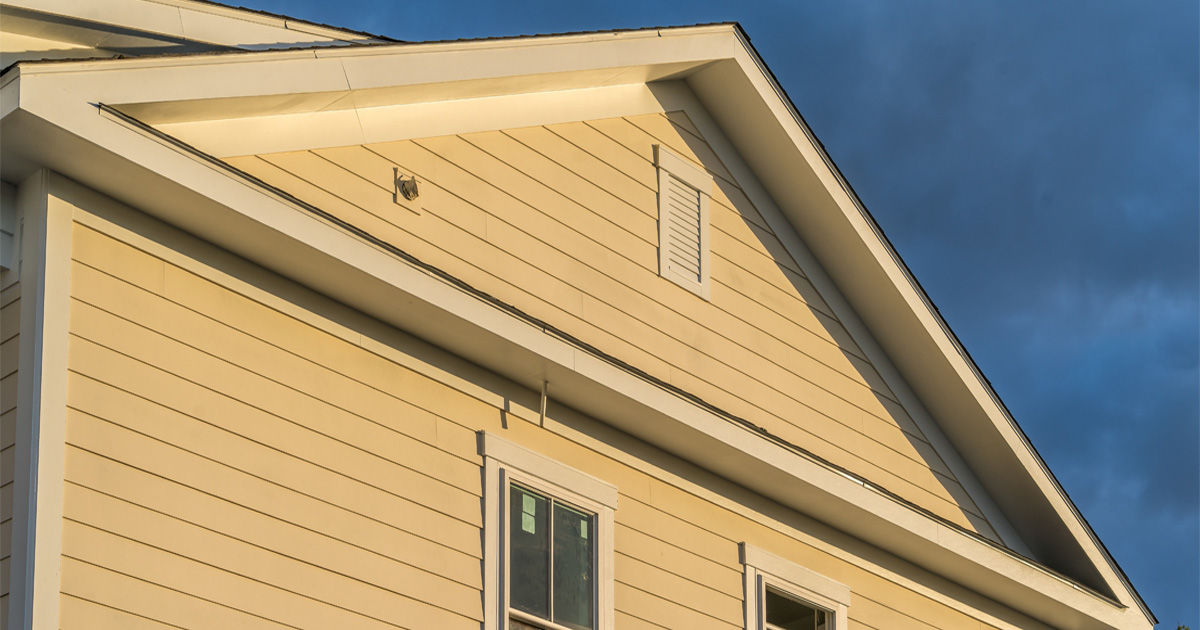
Lap siding for homes continues to remain one of the most widely used exterior styles because it offers a clean appearance that works with many different architectural designs. Whether your home has a more traditional layout or a modern exterior, horizontal siding styles usually blend naturally without looking too trendy or outdated. If you are starting to compare materials and exterior renovation ideas, it may also help to explore professional help with exterior siding projects before making long-term decisions about installation and upkeep.
1. Why Many Homeowners Still Choose Lap Siding
One reason lap siding continues to remain popular is because it creates a balanced exterior appearance that feels timeless without becoming boring. Some siding trends come and go quickly, but lap siding has stayed relevant for decades because it works well across many home siding styles.
Another reason homeowners prefer lap siding is flexibility. You can find it in several different exterior siding materials, including vinyl, fiber cement, engineered wood, and composite products. That variety allows homeowners to prioritize different goals depending on what matters most to them.
Some people focus mainly on appearance and want a material that looks natural and clean. Others care more about moisture resistant siding, lower maintenance demands, or stronger impact resistance. The good news is that modern siding systems offer more choices than they did years ago, which means you can usually find something that fits both your design preferences and long-term expectations.
Lap siding also tends to improve siding curb appeal without requiring dramatic changes to the structure of the home itself. Sometimes simply changing the siding texture, width, or color can completely transform the way a property looks from the street.
Homeowners also appreciate how horizontal siding panels create visual lines that make homes feel more balanced and cohesive. Wider boards often create a more contemporary look, while narrower boards usually feel more traditional and classic.
2. Durable Lap Siding Options for Long-Term Exterior Performance
Different siding materials perform differently depending on climate exposure, maintenance habits, and installation quality. Understanding how each product behaves over time can help you avoid future frustration and unexpected repair costs.
Fiber cement siding remains one of the more popular choices for homeowners who prioritize long-term durability. It resists insects, moisture exposure, and fire better than many traditional wood products while still offering the appearance of painted wood siding. Many homeowners like fiber cement because it feels solid and durable without sacrificing appearance.
Vinyl siding remains extremely common because it is generally easier to maintain and more affordable than some alternatives. Modern vinyl products now include more realistic textures and colors that imitate wood grain surprisingly well. However, not all vinyl products perform equally. Lower-grade materials may become more vulnerable to cracking or fading after years of direct sunlight and changing weather conditions.
Engineered wood siding combines wood fibers with protective treatments that improve siding performance compared to untreated natural wood. This option appeals to homeowners who want a warmer and more natural exterior appearance while still reducing some long-term maintenance concerns.
Composite siding products have also become more common in recent years because they combine different materials to improve durability and moisture resistance. Some homeowners prefer these products because they offer a balance between appearance, durability, and reduced upkeep.
The main difference between these materials often comes down to long-term maintenance expectations. Some products may require repainting after years of exposure, while others mainly need routine inspections and cleaning to maintain their appearance.
3. How Durability Impacts Maintenance and Lifespan
A lot of homeowners focus heavily on appearance during the early stages of a siding project, but durability becomes much more important after installation is complete. Siding does much more than improve curb appeal. It acts as one of the home’s primary protective barriers against moisture, heat, storms, debris exposure, and changing weather conditions.
When siding materials begin failing too early, problems can slowly develop beneath the surface. Moisture trapped behind exterior cladding systems may eventually contribute to mold growth, swelling, wood rot, or structural deterioration if repairs are delayed for too long.
This works because exterior systems rely on proper drainage and airflow to move moisture away from the structure. If installation quality is poor or repairs are ignored, even durable exterior siding materials may eventually develop issues.
Impact resistant siding can also matter more than many homeowners initially realize. Falling branches, hail, wind-blown debris, and physical impact can affect certain materials differently. Some products handle these situations better than others, which may help reduce long-term repair costs.
Regular maintenance still matters regardless of which siding product you choose. Homeowners often assume durable materials require zero maintenance, but every exterior system benefits from inspections and occasional cleaning. If you are comparing materials, it may also help to understand what affects the lifespan of exterior siding over time before making final installation decisions.
Another thing many people overlook is how siding interacts with surrounding exterior systems. Roofing, gutters, landscaping, drainage systems, and trim work all influence how well siding performs over time. Exterior protection works best when all these systems function together properly.
4. Why Appearance Still Matters for Exterior Design
Durability is important, but appearance still plays a major role in how satisfied homeowners feel after a siding project is complete. Siding covers a large portion of the home’s exterior, which means it strongly influences overall curb appeal and first impressions.
Color choice can completely change the character of a home. Neutral colors tend to remain popular because they work well with many architectural styles and future exterior updates. Darker shades can create a stronger modern appearance, but they may also show fading or dirt differently depending on the material.
Texture matters too. Smooth siding creates a cleaner and more modern finish, while wood-grain textures add warmth and depth. Some homeowners prefer a more minimalist exterior, while others want materials that create more visual character.
Board width also affects appearance more than many people expect. Wider horizontal siding panels often create a contemporary design feel, while narrower boards usually look more traditional.
One important thing to remember is that appearance changes over time if siding upkeep is ignored. Dirt buildup, fading, moisture staining, and neglected repairs can all affect how the exterior looks years after installation. Homeowners interested in preserving long-term curb appeal may also want to learn how regular siding maintenance helps prevent long-term damage when creating a maintenance plan.
5. Common Problems That Can Affect Siding Performance
Most siding issues develop gradually instead of appearing overnight. Small installation mistakes or neglected repairs can slowly create larger structural concerns beneath the surface.
One common mistake homeowners make is focusing only on upfront pricing while overlooking long-term durability and maintenance expectations. Lower-cost materials may seem appealing initially, but they sometimes require more repairs or upkeep over time.
Improper installation also causes many avoidable siding problems. Poor flashing systems, weak ventilation, improperly sealed joints, and rushed installation work can all increase the risk of moisture intrusion.
Weather exposure matters too. Homes exposed to frequent storms, stronger sunlight, or higher moisture conditions may experience wear differently depending on the material selected.
Another common issue involves delayed maintenance. Small cracks, loose siding panels, or minor water penetration may not seem urgent initially, but these problems can eventually contribute to much larger repairs if ignored.
Many homeowners are surprised by how much preventative maintenance helps reduce future costs. Periodic inspections often catch smaller problems early before they become more expensive structural concerns later.
6. What You Should Think About Before Installing New Siding
Before choosing siding materials, it helps to think beyond appearance alone. Long-term durability, repair expectations, maintenance comfort level, and overall siding lifespan all influence how satisfied homeowners feel years later.
Budget obviously matters, but the cheapest option does not always provide the best long-term value. In some cases, investing more upfront can reduce future maintenance and repair costs significantly.
You should also think about how much siding upkeep you realistically want to handle. Some products require repainting or sealing after years of exposure, while others mainly need occasional cleaning and inspections.
Climate exposure is another important factor. Moisture levels, wind exposure, direct sunlight, and storm activity can all influence how certain siding materials perform over time.
Future exterior updates matter too. Roofing color, trim style, landscaping, and window design all affect how siding looks once the project is complete. Choosing a siding system that works well with future improvements can help preserve long-term curb appeal and resale value.
7. FAQ
What makes lap siding durable?
Durability depends on several factors, including the material itself, installation quality, and long-term maintenance habits. Fiber cement, engineered wood, and vinyl all offer different levels of moisture resistance and impact protection. Regular inspections, prompt repairs, and routine cleaning also help extend siding lifespan by preventing smaller issues from becoming larger structural problems over time.
Which siding material requires the least maintenance?
Vinyl siding is often considered one of the lower-maintenance options because it usually requires only periodic cleaning and inspections instead of repainting. However, some engineered products also provide manageable upkeep compared to traditional wood siding. Maintenance expectations still vary depending on climate exposure, installation quality, and how well the siding is maintained throughout its lifespan.
How long can exterior siding last?
Siding lifespan depends on material quality, installation methods, maintenance consistency, and environmental exposure. Some siding systems can last several decades when properly maintained and inspected regularly. Moisture control, early repairs, and professional installation quality all contribute to stronger long-term exterior performance.
Are horizontal siding styles still popular?
Yes, horizontal siding styles remain one of the most common choices for residential homes because they work with both traditional and modern architectural designs. Different board widths, textures, and finishes allow homeowners to customize the appearance while still maintaining a timeless look. Many homeowners also appreciate how horizontal siding creates clean visual lines across the exterior.
What should homeowners consider before replacing siding?
Homeowners should compare durability, moisture resistance, maintenance expectations, appearance, and long-term value before selecting siding materials. It also helps to evaluate climate exposure, future repair concerns, and how the siding will fit the overall design of the home. Taking time to compare products carefully can help reduce future maintenance costs and improve long-term satisfaction.
Key Takeaways
- Lap siding remains popular because it balances durability and curb appeal
- Different siding materials offer different maintenance expectations
- Fiber cement, vinyl, engineered wood, and composite products each provide unique advantages
- Moisture management plays a major role in siding lifespan
- Proper installation quality affects long-term siding performance
- Routine inspections help reduce future repair concerns
Understanding Long-Term Siding Value
Choosing siding involves much more than selecting a color or texture. Long-term durability, installation quality, maintenance expectations, and exterior protection all influence how siding performs over time. If you are still comparing materials or planning future exterior upgrades, you can also learn more about professional siding services to better understand installation considerations, long-term maintenance planning, and siding performance expectations.
Disclaimer
This article is intended for general informational purposes only and should not be considered professional construction, engineering, or legal advice. Siding performance, maintenance requirements, and lifespan may vary depending on material selection, installation quality, weather exposure, and property-specific conditions. Homeowners should consult qualified professionals before making final exterior renovation decisions.