- By Premium Siding & Painting Company
- Roofing
- 0 Comment
How to Tell If You Need a New Roof: 10 Warning Signs Homeowners Shouldn’t Ignore
If you’re trying to figure out how to tell if you need a new roof, you’re probably seeing something that doesn’t feel right. Maybe it’s a ceiling stain that wasn’t there before. Maybe shingles look uneven after a storm. Or maybe your roof is simply getting older and you’re wondering what’s normal and what’s not.
The good news is that roofing systems usually show gradual signs of deterioration long before major failure happens. When you know what to look for, you can make a calm, informed decision instead of reacting during an emergency.
Let’s walk through the warning signs you shouldn’t ignore and what they really mean for your home.
How to Tell If You Need a New Roof
Roofs rarely fail overnight. Materials age, weather takes its toll, and small issues slowly compound. The key is spotting patterns instead of focusing on one isolated problem.
If you’ve already noticed moisture inside your home, it may help to understand how those issues typically start. This guide on early roof leak warning signs and what they usually indicate explains how minor water intrusion can point to larger roofing concerns.
Here are the most common signs that your roof may be nearing the end of its service life.
1. Your Roof Is Nearing the End of Its Lifespan
Most asphalt shingle roofs last around 20 to 25 years. Climate, ventilation, and installation quality all influence that timeline.
If your roof is approaching two decades old and you’re seeing visible wear, replacement becomes more likely than repeated repairs. Age alone doesn’t always require action, but age combined with damage usually does.
2. Curling, Cracked, or Buckling Shingles
Shingles are designed to lie flat and create a tight seal. When they begin curling at the edges or cracking through the center, that seal weakens.
This happens because protective oils dry out over time. Once flexibility is lost, shingles become more vulnerable to wind and moisture.
If damage appears across multiple sections instead of one small area, it’s often a sign of system-wide aging.
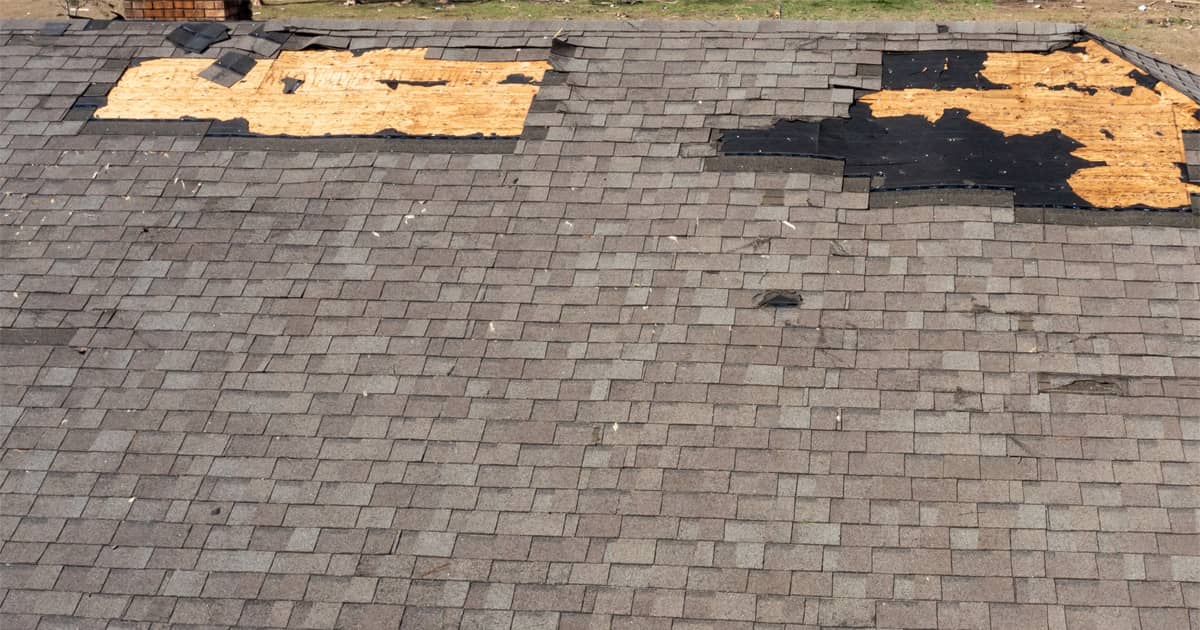
3. Missing Shingles After Storms
After strong wind or hail, take a careful look from the ground. Missing shingles, uneven patches, or exposed underlayment can indicate structural stress.
You might be wondering whether storm damage automatically means replacement. Not always. But repeated storm-related repairs can signal that the roof’s overall integrity is declining.
4. Granules Collecting in Gutters
Asphalt shingles are coated with protective granules that shield them from UV exposure. Over time, those granules loosen.
If you see black, sand-like particles in your gutters, that’s a sign the protective surface is wearing down. Heavy granule loss, especially when combined with other roof replacement warning signs, suggests aging materials.
5. Persistent Leaks in Multiple Areas
A single leak can often be repaired. The difference comes when leaks appear in more than one location.
Warning signs your roof is failing may include:
Water stains in different rooms
Damp insulation in the attic
Recurring leaks after patchwork
Mold odors
When leaks spread, the problem is often systemic rather than isolated.
6. Sagging Rooflines
Step back and look at your roof from a distance. Does the line appear straight?
A sagging section can signal structural decking damage caused by long-term moisture intrusion. This is not cosmetic. It requires professional evaluation.
7. Daylight Visible in the Attic
If sunlight is coming through roof boards, water can enter the same way.
Inspect your attic for:
Soft wood
Damp insulation
Musty smells
These signs typically indicate advanced deterioration.
8. Flashing Damage Around Chimneys and Vents
Flashing protects vulnerable intersections where the roof meets chimneys, skylights, or vents. If flashing cracks or separates, water can seep underneath shingles.
Sometimes flashing alone can be repaired. But if deterioration is widespread, it may point to broader roofing issues.
9. Rising Energy Bills Without Explanation
Your roof affects ventilation and insulation performance more than you might think. Poor airflow traps heat in the attic, which forces cooling systems to work harder.
If your energy bills are rising without another obvious cause, ventilation problems linked to roofing deterioration could be part of the issue.
10. Repairs Keep Adding Up
At some point, you’ll ask yourself whether continued repairs make financial sense.
Here’s a simple comparison:
| Situation | Likely Best Option |
|---|---|
| Small isolated damage | Repair |
| Multiple recurring leaks | Replacement |
| Widespread shingle deterioration | Replacement |
| Structural sagging | Replacement |
| Minor flashing issue | Repair |
When repair costs start approaching a significant portion of replacement cost, investing in a new system may provide better long-term value.
Roof Damage Inspection Checklist
If you want a practical roof damage inspection checklist, here’s what you can review safely from the ground:
Look for missing or lifted shingles
Scan for sagging areas
Check gutters for heavy granule buildup
Inspect ceilings for stains
Evaluate attic airflow
If your goal is prevention, this article on simple maintenance strategies that extend roof lifespan outlines practical steps you can take to reduce wear and delay major deterioration.
Common Mistakes to Avoid
It’s easy to delay action when the roof “still looks fine.” Here are common mistakes:
Ignoring small leaks
Repeating minor repairs without evaluating the full system
Waiting for interior damage before acting
Skipping annual inspections
Roofing issues compound over time. Addressing warning signs early reduces structural risk and unexpected costs.
Understanding the Next Step Without Pressure
Recognizing patterns is more important than reacting to one single issue. Multiple warning signs, aging materials, and recurring repairs often point toward replacement rather than patchwork solutions.
The goal isn’t panic. It’s clarity.
FAQs
Most asphalt shingle roofs last between 20 and 25 years. That range depends on ventilation, installation quality, and climate exposure. If your roof is nearing that age and showing visible wear, it may be time to evaluate replacement options.
In some cases, yes. If damage is isolated to a small section and the surrounding materials are still in good condition, partial repair can work. The main difference is whether the roof is structurally sound overall. Widespread aging usually makes full replacement the smarter long-term decision.
Not necessarily. Some storm damage can be repaired. However, repeated wind exposure, missing shingles, or hidden moisture issues can weaken the system over time. If you’re seeing recurring problems after storms, it may indicate deeper deterioration.
The most overlooked signs include small ceiling stains, minor granule loss in gutters, and slight shingle curling. These often appear harmless at first, but they can signal larger structural concerns if ignored.
At least once per year and after major storms. Regular inspections help catch small issues early, which can extend the lifespan of your roofing system and reduce unexpected repair costs.
Making an Informed Roofing Decision
If you’re seeing several of the warning signs discussed above, the next step is a thorough evaluation. A professional inspection typically includes a surface assessment, flashing review, attic ventilation analysis, and structural check.
If you’d like to understand what that process involves and what to expect during a full evaluation, you can review the details on the roofing services page.
Disclaimer
This article is for informational purposes only and does not constitute professional roofing advice. Every property is different. Always consult a licensed roofing professional for recommendations specific to your home.