Is Siding That Looks Like Shingles Worth It?
Is Siding That Looks Like Shingles Worth It?
Table of Contents
- 1. Why Homeowners Like the Look of Shingles
- 2. Siding that Looks Like Shingles
- 3. Pros and Cons of Shingle Style Siding
- 4. How Weather Exposure Affects Different Materials
- 5. Maintenance Expectations Over Time
- 6. What to Consider Before Installation
- 7. Common Mistakes Homeowners Should Avoid
- 8. FAQ
- 9. Key Takeaways
- 10. Understanding Which Siding Option Fits Your Home Best
- 11. Disclaimer
Choosing exterior siding is about more than simply protecting your home from rain, heat, and changing weather conditions. You also want a material that looks attractive, lasts for years, and does not create constant maintenance problems. If you have been researching siding that looks like shingles, you are probably trying to decide whether it gives you the same visual appeal as traditional cedar without all the upkeep that natural wood often requires.
Modern siding materials now make it possible to achieve the appearance of cedar shingles while improving durability and reducing maintenance concerns. Some homeowners prioritize authentic wood texture, while others focus more on weather resistance, lower upkeep, and long-term value. If you want a better understanding of the advantages and drawbacks homeowners often consider before choosing this style, this article about whether this type of siding is a practical long-term option offers additional insight.
1. Why Homeowners Like the Look of Shingles
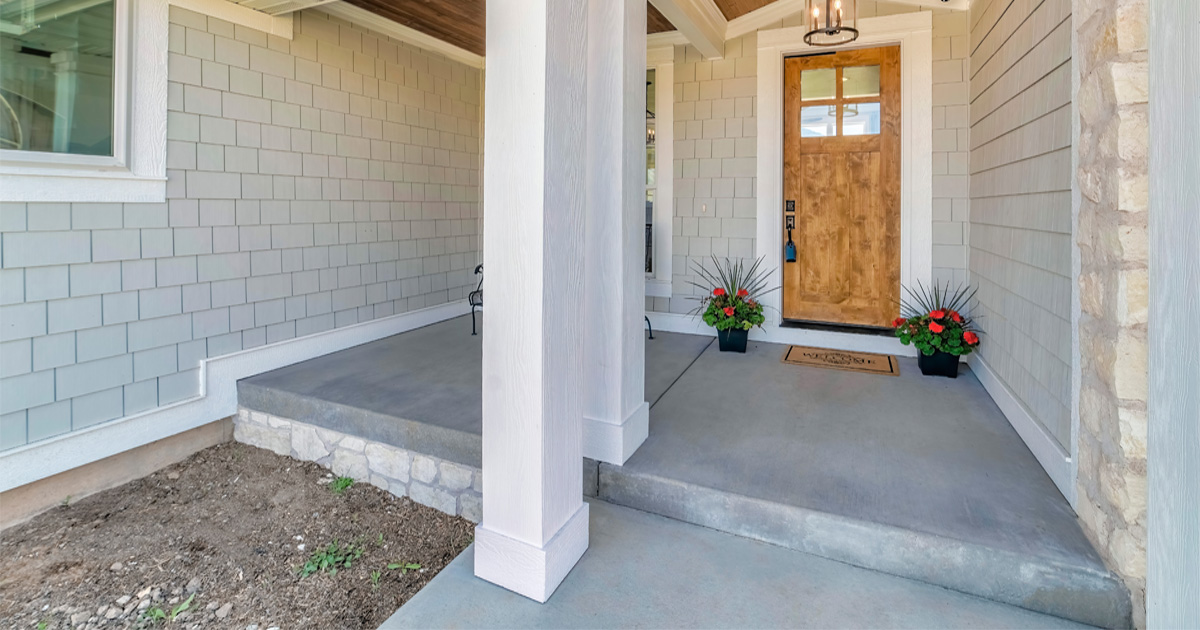
Traditional cedar shingles have remained popular for decades because they create texture and architectural detail that standard horizontal siding sometimes lacks. Homes with this style often feel warmer, more detailed, and visually distinctive from the street.
You may notice this type of siding on cottage-style homes, farmhouse designs, craftsman architecture, and even modern mixed-material exteriors. Some homeowners prefer using shingles only on dormers or accent walls, while others choose full exterior installations for a more dramatic appearance.
Part of the appeal comes from the layered texture. Flat siding panels can sometimes make a home exterior look simple or repetitive, but shingles create stronger visual depth and shadowing throughout the exterior surface. This added detail can make a home appear more customized without requiring a complete exterior redesign.
Another reason homeowners continue exploring this option is versatility. Modern exterior siding options now come in many textures, finishes, and colors that mimic natural cedar while offering different levels of durability and maintenance.
For many homeowners, the goal is finding a balance between appearance and practicality. Real cedar may offer a classic look, but modern materials often reduce many of the moisture and upkeep concerns associated with untreated wood.
2. Is Siding That Looks Like Shingles Durable?
One of the biggest reasons homeowners research this style is because modern materials are designed to imitate traditional cedar while improving long-term performance. Manufacturers now produce siding materials that capture the appearance of wood grain while reducing common problems like moisture damage, fading, and excessive maintenance.
Several siding alternatives to cedar shingles are commonly used today depending on your budget, maintenance preferences, and long-term goals.
Vinyl Shake Siding
Vinyl shake siding is often one of the more affordable options for homeowners who want the appearance of shingles without committing to ongoing wood maintenance.
Modern vinyl products are far more realistic than older versions. Many include textured grain patterns and deeper shadow lines that better imitate natural cedar.
Homeowners often choose vinyl because it typically offers:
- Lower maintenance requirements
- Easier cleaning
- Better moisture resistance
- Reduced repainting needs
However, product quality matters significantly. Lower-grade vinyl may crack, warp, or fade faster in areas exposed to intense sunlight and changing temperatures.
Composite Shake Siding
Composite shake siding combines engineered materials designed for both durability and appearance. Many homeowners prefer this option because it often creates a more realistic wood texture than standard vinyl products.
Composite products may provide better impact resistance and stronger weather protection while maintaining a natural-looking appearance. They are also commonly selected by homeowners searching for durable siding materials that still offer architectural detail.
Some composite materials are specifically designed to resist moisture absorption, which may help reduce long-term deterioration compared to natural wood.
Fiber Cement Shingle Panels
Fiber cement products are another popular option because they can replicate cedar textures while offering stronger resistance to insects, fire, and moisture.
Many homeowners choose fiber cement because it tends to hold up well in changing weather conditions. The material is also less vulnerable to rot and insect damage than untreated wood.
The main drawback is weight. Fiber cement products are heavier than vinyl and may require more specialized installation methods.
3. Pros and Cons of Shingle Style Siding
Every siding material has strengths and weaknesses. Understanding both sides helps you make more realistic long-term decisions rather than focusing only on appearance.
Potential Advantages
One major advantage is curb appeal. The textured appearance creates stronger visual interest than many flat panel siding systems. Homes with this style often feel more detailed and architecturally unique.
Another benefit is reduced maintenance compared to natural cedar. Many modern materials are designed to reduce staining, repainting, and moisture-related upkeep over time.
Weather resistance is another important factor. Many engineered siding products are designed to tolerate rain, humidity, temperature shifts, and UV exposure more effectively than untreated wood.
Design flexibility also makes this style appealing. Modern wood-look siding products come in multiple finishes and colors that work well with traditional and modern homes alike.
Potential Drawbacks
Installation costs can sometimes be higher than standard horizontal siding because of additional labor and product pricing.
Material quality also varies significantly between manufacturers. Lower-quality products may fade, warp, or crack faster than premium options.
Some homeowners still prefer authentic cedar because no manufactured product perfectly duplicates natural wood grain and aging characteristics. While modern products can look very realistic, personal preference still plays a major role in final decisions.
4. How Weather Exposure Affects Different Materials
Weather exposure is one of the biggest factors affecting siding lifespan. Heat, rain, humidity, storms, and UV exposure all contribute to gradual exterior wear over time.
Natural cedar products may experience fading, moisture absorption, splitting, and insect damage when exposed to long-term environmental stress. Moisture intrusion can become especially problematic if wood surfaces are not maintained properly.
Modern weather resistant siding materials are often engineered to reduce many of these concerns while still maintaining a similar visual appearance.
Composite and fiber cement products may perform better in changing temperatures because they are designed to resist expansion, contraction, and moisture penetration more effectively than untreated wood.
Climate also matters more than many homeowners realize. Homes exposed to heavy storms, direct sun exposure, or long periods of humidity may experience different maintenance and lifespan outcomes depending on the material selected.
Learning more about what affects the lifespan of different siding materials can help you compare long-term durability before making a final decision.
5. Maintenance Expectations Over Time
Maintenance requirements vary depending on the siding material you choose. Natural cedar generally requires the most upkeep because wood remains vulnerable to weather exposure and moisture-related deterioration.
Homeowners with natural cedar may eventually need to repaint, reseal, or replace damaged shingles over time. Routine inspections are also important because moisture intrusion and insect activity can develop gradually without obvious warning signs at first.
By comparison, low maintenance siding products usually require less upkeep beyond occasional cleaning and periodic inspections.
Even so, no siding material is completely maintenance-free. You should still monitor exterior surfaces for cracking, loose panels, moisture buildup, fading, and surface deterioration.
Small maintenance concerns often become more expensive when ignored for long periods. A small crack or moisture issue may not seem serious initially, but repeated exposure to rain and temperature changes can gradually worsen exterior damage over time.
Gutters and drainage systems also affect siding performance more than many homeowners realize. Water overflow from clogged gutters may gradually contribute to moisture-related siding problems around exterior walls.
6. What to Consider Before Installation
Before choosing a siding material, it helps to think beyond appearance alone. A product that initially looks attractive may not always provide the best long-term performance for your home.
Climate conditions should always be part of the decision-making process. Heat, humidity, storms, and direct sunlight all affect siding performance differently depending on material type.
You should also consider your long-term maintenance goals. Some homeowners are comfortable with routine upkeep, while others prefer materials designed for lower maintenance and fewer repairs.
Budget matters too, but focusing only on upfront pricing sometimes creates larger long-term expenses later. Higher-quality materials may cost more initially while reducing future maintenance and replacement concerns.
Architectural style is another important factor. Some siding products complement certain home designs more naturally than others.
Installation quality also affects long-term performance more than many homeowners realize. Poor installation may increase the risk of moisture intrusion, warping, and premature wear even when high-quality materials are used. Homeowners planning exterior upgrades can learn more about what to expect during a professional siding installation project before selecting materials and installation methods.
7. Common Mistakes Homeowners Should Avoid
Some homeowners focus heavily on appearance without considering long-term durability or maintenance expectations. While curb appeal matters, siding should also perform well under changing environmental conditions.
Another common mistake involves choosing products based only on initial pricing. Lower-cost materials sometimes require more repairs or replacement sooner than higher-quality alternatives.
Ignoring ventilation and moisture management is another issue homeowners often overlook. Even durable siding materials may develop problems if water drainage and installation methods are not handled properly.
It is also important not to underestimate installation quality. Poor workmanship can affect moisture protection, structural performance, and long-term siding lifespan regardless of material quality.
Comparing appearance, durability, maintenance expectations, climate performance, and installation quality together usually leads to more balanced long-term decisions.
8. FAQ
Does siding that mimics cedar shingles look realistic?
Many modern products are designed with textured surfaces and layered patterns that closely resemble natural cedar. Higher-end materials often provide more realistic grain detail and shadowing than budget products. While some homeowners still prefer authentic wood, many modern siding products now create a surprisingly natural appearance from both close distances and street views.
Which material usually lasts the longest?
Fiber cement and high-quality composite products are often considered among the most durable options. Lifespan depends on climate exposure, installation quality, maintenance habits, and overall product quality. Some materials may last for decades when maintained properly and installed correctly.
Is this style more expensive than traditional siding?
In many cases, yes. Material and installation costs may be higher than standard horizontal vinyl siding because of additional labor and product design. However, some homeowners feel the improved curb appeal and long-term durability justify the added investment.
Does this type of siding require a lot of maintenance?
Maintenance depends heavily on the material selected. Natural cedar usually requires more ongoing upkeep, while composite and vinyl products generally require less maintenance. Regular inspections and occasional cleaning still remain important regardless of the siding material used.
Can this type of siding improve curb appeal?
Yes, many homeowners choose this design specifically because it adds texture and architectural detail to the exterior. The layered appearance can make homes feel more visually distinctive and customized. In some cases, upgraded siding may also help improve perceived property value and exterior appearance.
Key Takeaways
- Modern materials can imitate traditional cedar shingles while reducing maintenance concerns
- Composite, vinyl, and fiber cement products each offer different advantages
- Weather exposure affects siding lifespan and long-term durability
- Installation quality plays a major role in siding performance
- Maintenance expectations vary depending on material type
- Product quality often affects appearance, durability, and long-term value
Understanding Which Siding Option Fits Your Home Best
Choosing exterior siding often involves balancing appearance, durability, maintenance, and budget expectations. While traditional cedar shingles still appeal to many homeowners, modern alternatives may provide a similar appearance with fewer long-term maintenance concerns.
The best material depends on your home’s style, climate exposure, and long-term priorities. Some homeowners prioritize authentic wood appearance, while others focus more on durability and lower upkeep. Understanding how different materials perform over time may help you make a more informed decision before starting an exterior renovation project.
If you are exploring exterior upgrades and comparing material options, learning more about professional siding services may help you better understand which siding solutions fit your home’s appearance and maintenance goals.
Disclaimer
This blog is intended for informational purposes only and should not be considered professional construction, siding, insurance, or legal advice. Exterior siding performance varies depending on climate conditions, installation quality, maintenance history, and material selection. Homeowners should consult qualified professionals for recommendations specific to their property and exterior conditions.