Is Vertical Siding a Good Choice for Modern Homes?
Is Vertical Siding a Good Choice for Modern Homes?
Table of Contents
- 1. Why Vertical Siding Has Become Popular
- 2. Is Vertical Siding a Good Choice for Modern Homes or Just a Design Trend?
- 3. Popular Modern Vertical Siding Materials
- 4. Board and Batten Siding and Modern Design
- 5. Vertical vs Horizontal Siding
- 6. Does Vertical Siding Work Well in Texas Weather?
- 7. Maintenance and Long Term Durability
- 8. Common Mistakes Homeowners Should Avoid
- 9. FAQ
- 10. Key Takeaways
- 11. Exploring Exterior Styles That Fit Your Home
- 12. Disclaimer
Modern home design has shifted toward cleaner lines, simpler textures, and exterior materials that create a more updated appearance. One siding style that continues gaining attention is vertical siding. If you are considering a home exterior upgrade, you might be wondering whether vertical siding is practical for long term use or simply part of a passing trend.
The good news is that vertical siding can offer both visual appeal and durability when homeowners choose the right materials and installation approach. Many homeowners comparing different exterior upgrades also explore broader residential siding solutions for long term exterior improvements before deciding which design style works best for their property.
This guide explains how vertical siding works, why it has become popular in modern architecture, and what homeowners should consider before choosing it for their home.
1. Why Vertical Siding Has Become Popular
Many homeowners are drawn to vertical siding because it creates a cleaner and more architectural appearance compared to traditional horizontal layouts. Vertical lines naturally guide the eye upward, which can make homes appear taller and more visually balanced.
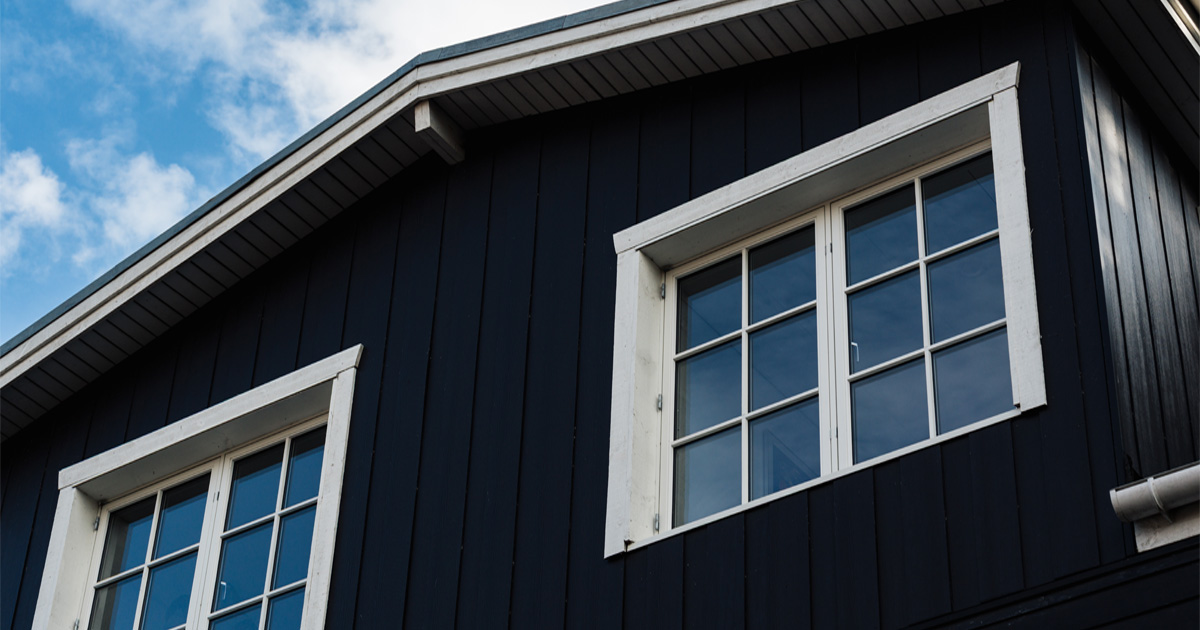
This style also works especially well with modern home siding ideas that focus on simplicity and contrast. You may notice many contemporary homes combining vertical siding with darker trim colors, metal accents, natural wood textures, or oversized windows. The result often feels cleaner and less visually crowded than heavily detailed exterior designs.
Another reason homeowners like vertical siding is its flexibility. It works well with contemporary homes, modern farmhouse layouts, minimalist architecture, and mixed material exterior renovations. Instead of relying on decorative trim or ornate details, vertical siding itself becomes part of the home’s visual structure.
You might also notice that vertical siding photographs extremely well. That matters more today because many homeowners gather inspiration online before making exterior design decisions. Modern vertical siding often creates stronger visual contrast and sharper architectural lines, which is one reason it continues appearing on custom homes and newer residential construction projects.
Unlike some exterior trends that fade quickly, vertical siding has remained popular because it balances modern aesthetics with practical functionality.
2. Is Vertical Siding a Good Choice for Modern Homes or Just a Design Trend?
For many properties, vertical siding can absolutely be a smart long term design choice. While some homeowners initially view it as a modern trend, vertical siding has continued growing in popularity because it offers both style and practical benefits.
Traditional horizontal siding tends to emphasize width, while vertical house siding highlights height and structure. This often helps homes feel cleaner and more visually balanced. Smaller homes may even appear taller because the eye naturally follows the upward direction of the siding lines.
Another advantage is that many vertical siding styles pair naturally with current exterior trends. Homes with black window frames, natural wood accents, neutral color palettes, and metal roofing details often benefit from the cleaner appearance vertical siding provides.
You may also notice that many newer homes use vertical siding selectively rather than covering the entire structure. Some homeowners combine vertical and horizontal siding to create contrast while still maintaining a modern appearance. This approach works especially well on homes with multiple rooflines or large front elevations.
The material itself also affects the final appearance. Smooth fiber cement siding usually creates a more contemporary look, while textured wood grain finishes can help modern homes feel warmer and less industrial.
Homeowners often choose vertical siding because it helps create curb appeal without relying on excessive decorative elements. The siding itself becomes part of the architectural design rather than just a protective exterior layer.
3. Popular Modern Vertical Siding Materials
Choosing the right siding material matters just as much as choosing the design itself. Different vertical siding materials offer different levels of durability, maintenance, and weather resistance.
Fiber cement vertical siding remains one of the most popular choices for modern homes because it combines durability with a clean appearance. Many homeowners prefer fiber cement because it can imitate natural wood textures while resisting moisture damage, insects, warping, and fire exposure. It also performs well in changing climates, making it one of the more durable siding options available for long term exterior performance.
Another reason fiber cement remains popular is its flexibility in modern design. It works well with darker paint colors and sharp trim lines commonly used on contemporary homes. Many homeowners also appreciate that fiber cement products maintain their appearance longer than some lower grade siding materials.
Vinyl siding is another common option because it offers lower upfront costs and easier maintenance. Modern vinyl products now come in more realistic textures and color options compared to older versions. Homeowners may choose vinyl when looking for lower maintenance siding, faster installation timelines, or more budget friendly upgrades.
However, climate matters. In areas with prolonged heat exposure, premium vinyl products generally perform better than thinner or lower quality options. Some lower grade materials may fade or warp faster under intense sunlight.
Engineered wood siding is also becoming more popular for modern homes. These products combine wood fibers with resin based materials to improve durability while preserving a natural wood appearance. This option appeals to homeowners who want warmer exterior textures without the maintenance demands associated with traditional wood siding.
4. Board and Batten Siding and Modern Design
Board and batten siding has become one of the most recognizable forms of exterior vertical siding. Originally associated with barns and rural buildings, it now appears frequently on modern residential properties.
The design uses wide vertical boards separated by narrow battens that create depth and texture across the exterior surface. This creates subtle shadow lines that help modern homes feel more dimensional without becoming visually overwhelming.
Today, board and batten siding is commonly used on modern farmhouse homes, custom builds, and mixed texture renovations because it blends simplicity with architectural character. Some homeowners prefer full board and batten exteriors, while others use it selectively on entryways, garage sections, or upper elevations.
Many homeowners appreciate how board and batten siding creates strong curb appeal while still feeling timeless. It can make homes feel modern without appearing overly trendy or temporary.
If you are comparing different siding aesthetics, this guide explaining how shingle style siding performs over time can also help you understand how siding texture and material choices affect long term appearance and maintenance.
5. Vertical vs Horizontal Siding
One of the most common homeowner questions involves vertical vs horizontal siding. Both styles can work well depending on the home’s architecture, exterior design goals, and long term maintenance expectations.
| Feature | Vertical Siding | Horizontal Siding |
|---|---|---|
| Overall Appearance | Creates a more modern and architectural look | Creates a more traditional and familiar appearance |
| Visual Effect | Makes homes appear taller and more structured | Makes homes appear wider and more conventional |
| Best Fit for Home Styles | Contemporary, modern farmhouse, minimalist homes | Traditional suburban and classic residential homes |
| Curb Appeal | Often creates stronger visual contrast and cleaner lines | Offers a softer and more conventional exterior appearance |
| Design Flexibility | Works well with mixed materials and accent sections | Easier to blend into traditional neighborhood styles |
| Maintenance Considerations | Depends heavily on installation quality and moisture management | Generally familiar to most contractors and installers |
| Popular Materials | Fiber cement, engineered wood, board and batten | Vinyl, lap siding, traditional wood siding |
| Exterior Trend Appeal | Often associated with newer and more modern home designs | Remains timeless and widely used across neighborhoods |
The best choice usually depends on your home’s architecture, material combinations, maintenance expectations, and long term renovation goals. Some homes benefit from fully vertical layouts, while others look better using vertical accents selectively.
Many homeowners now combine both orientations for balance. For example, vertical siding may appear around entryways or upper sections while horizontal panels cover the remaining exterior walls. This mixed approach can help larger homes feel more visually organized while still maintaining a modern appearance.
You should also think about the surrounding neighborhood. While modern homes often benefit from vertical siding, some traditional neighborhoods may look more cohesive with softer or more familiar exterior layouts.
6. Does Vertical Siding Work Well in Texas Weather?
Climate performance is important for homeowners considering exterior renovations in Texas. Heat, humidity, storms, and sudden temperature changes can all affect siding performance over time.
The good news is that properly installed exterior vertical siding can perform well in Texas conditions when homeowners choose weather resistant materials. Fiber cement vertical siding is especially popular because it handles UV exposure, heat fluctuations, and moisture better than many traditional materials.
Installation quality matters just as much as material selection. Moisture barriers, flashing systems, drainage spacing, and ventilation all affect how siding performs long term. Even durable materials can experience problems if water management systems are poorly installed.
Homeowners planning larger exterior upgrades often benefit from learning more about modern siding installation options for different home styles before choosing materials or layouts.
You might also be surprised how much siding color affects performance. Darker siding colors generally absorb more heat, while lighter colors may help reduce surface temperatures during long summer months. This becomes especially important in areas that experience long periods of direct sunlight.
Storm resistance also depends heavily on installation quality. Secure fastening systems and proper moisture management can significantly improve siding durability during heavy wind and rain exposure.
7. Maintenance and Long Term Durability
Maintenance requirements vary depending on the siding material homeowners choose. Some products require very little upkeep, while others need more regular attention.
Fiber cement and vinyl products generally require occasional cleaning and periodic inspections. Engineered wood products may need more monitoring depending on climate exposure and finish quality. Traditional wood siding usually requires repainting, resealing, and moisture inspections more frequently than modern manufactured materials.
One reason many homeowners prefer low maintenance siding is because exterior upkeep becomes more manageable over time. This is especially important for larger homes or multi story properties where regular maintenance can become expensive or time consuming.
Durability also depends heavily on installation quality. Even premium siding materials can experience problems if flashing systems, drainage spacing, or moisture barriers are poorly installed. Water intrusion often starts quietly and may not become noticeable until more significant damage develops.
Another important factor is long term appearance. Some materials maintain their color and texture longer than others, especially in climates with strong UV exposure or frequent storms. Homeowners who choose higher quality materials often experience fewer maintenance concerns later.
8. Common Mistakes Homeowners Should Avoid
Choosing siding involves more than selecting a color or texture. Some common mistakes can affect both appearance and long term performance.
One common issue is ignoring architectural balance. Not every home benefits from fully vertical layouts. Some properties may look better using mixed siding orientations instead of complete vertical coverage.
Another mistake involves choosing materials based only on price. Lower cost materials may reduce upfront expenses but create higher maintenance costs later. Homeowners sometimes underestimate how quickly lower quality products can show fading, cracking, or warping in harsh climates.
Installation quality is another factor homeowners should not overlook. Even durable siding materials can fail if flashing, ventilation, or moisture barriers are installed incorrectly. Poor installation may also reduce the lifespan of otherwise high quality products.
Some homeowners also overcomplicate exterior design by combining too many textures or accent materials. Modern homes often look best when the exterior remains visually balanced and cohesive rather than overly decorative.
9. FAQ
Does vertical siding make a house look taller?
Yes, vertical siding can create the visual effect of additional height because the lines naturally guide the eye upward. This often works especially well on smaller homes or homes with lower rooflines. Many modern architectural styles intentionally use vertical elements to create a cleaner and more spacious appearance.
Is vertical siding more expensive than horizontal siding?
Costs vary depending on the material, labor requirements, and overall project complexity. In some situations, vertical siding installation may cost slightly more because it requires additional framing preparation and moisture protection systems. Premium materials like fiber cement may also increase total project costs over standard vinyl products.
What material works best for vertical siding?
Fiber cement, engineered wood, and premium vinyl are among the most common choices for modern homes. Each material offers different advantages related to durability, maintenance, and appearance. The best option usually depends on climate conditions, budget, and long term maintenance expectations.
Can vertical siding work on older homes?
Yes, vertical siding can modernize older homes when used thoughtfully. Some homeowners combine vertical siding with stone accents, trim details, or horizontal sections to maintain architectural balance. Proper design planning helps ensure the finished exterior looks intentional and cohesive rather than mismatched.
Does vertical siding require more maintenance?
Not necessarily. Maintenance requirements depend more on the siding material than the orientation itself. Fiber cement and vinyl products usually require less maintenance than traditional wood siding regardless of whether the siding is installed vertically or horizontally.
Key Takeaways
- Vertical siding creates a cleaner and more modern exterior appearance
- Modern homes often use vertical siding to emphasize height and structure
- Fiber cement remains one of the most durable siding options available
- Board and batten siding continues growing in popularity for contemporary homes
- Vertical siding can perform well in Texas weather with proper installation
- Material selection affects maintenance requirements and long term durability
- Mixing vertical and horizontal siding can create architectural contrast
- Installation quality plays a major role in siding performance over time
Exploring Exterior Styles That Fit Your Home
Vertical siding has become one of the most recognizable trends in modern exterior design because it combines clean architectural lines with flexible material options and strong curb appeal. For many homeowners, it offers a way to create a more updated appearance without completely changing the structure of the home.
The best siding choice ultimately depends on your home’s design, climate exposure, maintenance expectations, and long term renovation goals. Understanding how different materials perform and how vertical layouts affect exterior appearance can help you make more confident decisions before starting a siding project.
If you are exploring modern exterior upgrades and comparing siding materials, learning more about professional siding services can help you better understand which options fit your home’s design goals and maintenance expectations.
Disclaimer
This blog is intended for informational and educational purposes only and should not be considered professional construction, remodeling, engineering, or legal advice. Siding performance, durability, installation requirements, and maintenance expectations may vary depending on material selection, climate exposure, installation quality, and property conditions. Homeowners should consult qualified siding professionals before making final renovation or installation decisions.