- By Premium Siding & Painting Company
- Roofing
- 0 Comment
Is Metal Roofing Installation Worth It? Pros, Cons and What to Know Before You Install
If you are thinking about upgrading your roof, you might be wondering whether metal roofing installation is truly worth the investment. You have probably noticed that metal systems cost more upfront than traditional shingles, and that alone can make the decision feel overwhelming. At the same time, you may have heard that metal roofs last longer, resist harsh weather better, and require less maintenance over time.
So what is the real answer?
In this guide, you will learn the honest pros and cons, what affects pricing, how the process works, and what you should realistically expect before making your decision.
What Happens During Metal Roofing Installation
Before deciding whether metal is right for you, it helps to understand what the metal roof installation process actually looks like from start to finish.
A professional roofing contractor typically follows a structured sequence of steps to ensure durability and long term performance.
1. Full Roof Inspection
Your existing roof structure, ventilation system, and roof decking are carefully evaluated. This step ensures the structure can properly support the new system.
2. Material Removal
In some cases, metal can be installed over existing shingles. In other situations, full removal is recommended so the decking can be inspected and repaired if necessary.
3. Decking Preparation
Any damaged or weakened wood is replaced. A solid base is critical so the new roofing panels sit evenly and securely.
4. Underlayment Installation
A moisture barrier is installed across the roof surface. This protective layer helps prevent water intrusion and improves overall waterproofing.
5. Panel Placement
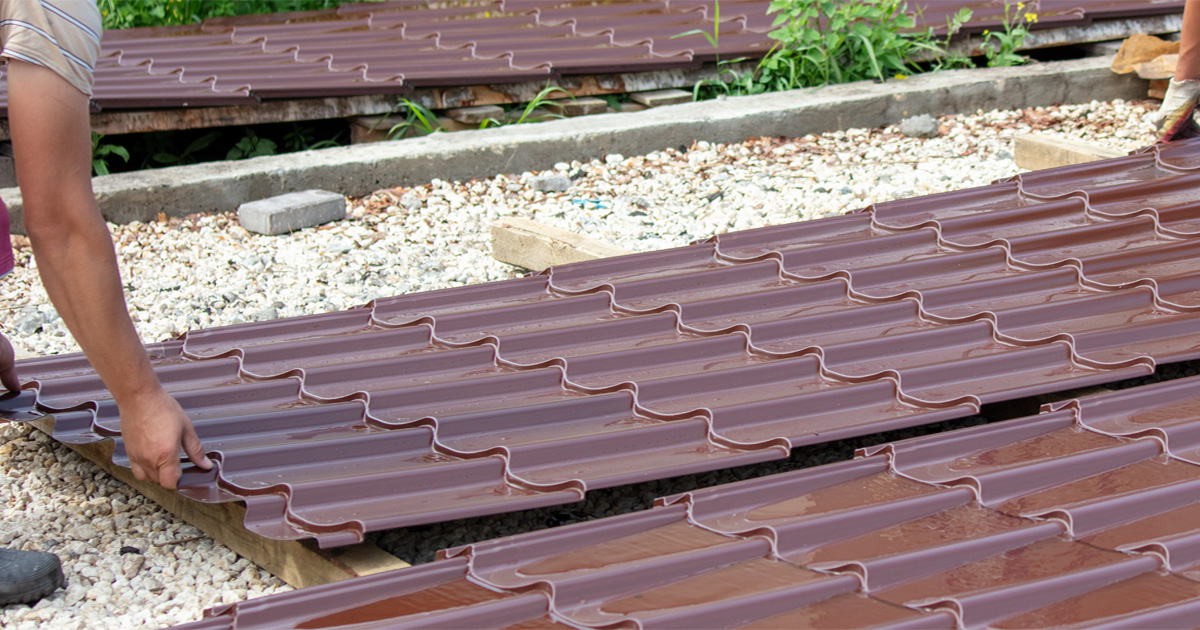
Roofing panels such as standing seam systems or corrugated galvanized steel roofing are aligned carefully and secured using fastening systems that allow for expansion and contraction.
6. Flashing and Trim Installation
Valleys, ridges, vents, and penetrations are sealed properly to prevent leaks. This step is essential for long term performance.
If you are still comparing systems, this guide on choosing the right roofing material for your home can help you better understand how metal compares to other options.
Most residential projects take one to three days depending on roof size and complexity.
Pros and Cons of Metal Roofing
You might be asking yourself, is metal roofing worth it in the long run? The answer depends on your priorities and how long you plan to stay in your home.
The Advantages
Long lifespan
One of the most compelling benefits is durability. Many properly installed systems last 40 to 70 years depending on material type and maintenance. That often means you may replace an asphalt roof multiple times in the same period.
Weather resistance
Metal performs well in high winds and heavy rain. Thicker roofing panels resist impact better than thinner materials. If severe weather is a concern, understanding how hail can affect different roofing systems can help you evaluate durability differences.
Energy efficiency
According to the U.S. Department of Energy, reflective roofing materials can reduce heat absorption in warm climates. This works because metal reflects solar radiation rather than absorbing it, which may reduce cooling demands.
Low maintenance
Metal does not crack or curl like asphalt shingles. Maintenance typically involves periodic inspections and clearing debris from valleys and gutters.
The Drawbacks
Higher upfront metal roof cost
Metal roof cost typically ranges between 8 and 16 dollars per square foot installed depending on material thickness and complexity. Asphalt systems generally cost less at the start.
Installation precision
Metal expands and contracts with temperature changes. Underlayment and flashing must be installed correctly. The National Roofing Contractors Association notes that proper installation techniques directly influence long term performance.
Noise perception
Many homeowners worry about rain noise. When installed over solid roof decking with proper insulation and underlayment, sound levels are comparable to other roofing systems.
How Long Does Metal Roofing Last Compared to Other Materials
One of the most common long tail questions is how long does metal roofing last.
The answer depends on:
Material type such as aluminum or galvanized steel roofing
Coating quality
Installation accuracy
Environmental exposure
Higher gauge panels typically resist denting better. Proper fastening reduces stress points. A well installed system can outlast multiple cycles of traditional roof replacement.
If long term value is more important to you than lowest upfront cost, metal often becomes more appealing.
What Affects Metal Roof Installation Cost Per Square Foot
When reviewing pricing, several factors influence the final number.
Roof size and slope
Steeper roofs require more labor.
Design complexity
Multiple valleys, dormers, and penetrations increase installation time.
Material selection
Standing seam systems generally cost more than exposed fastener panels because of thickness and installation precision.
Structural repairs
If decking needs replacement, that adds to total cost.
When evaluating metal roof replacement, it helps to consider lifespan and replacement frequency over decades rather than just immediate cost.
Common Mistakes to Avoid
If you decide to move forward, avoid these common mistakes:
1. Choosing the thinnest material to save money
2. Ignoring ventilation requirements
3. Skipping full deck inspection
4. Hiring installers without metal experience
Metal roofing installation requires careful alignment and fastening. Expansion and contraction must be accounted for properly.
Is Metal Roofing the Right Choice for You
Metal may make sense if:
You plan to stay in your home long term
You prefer minimal maintenance
You value durability
Energy efficiency matters to you
It may not be ideal if your primary focus is the lowest initial investment.
The main difference comes down to your timeline and priorities.
FAQs
Yes, the upfront cost is generally higher, but lifespan differences may offset that over decades.
Costs often range between 8 and 16 dollars per square foot depending on materials and roof complexity.
In some cases yes, but structural inspection is required first.
Modern coatings protect against corrosion under normal conditions.
With proper underlayment and solid decking, noise levels are comparable to other systems.
Thinking Through Your Roofing Investment
Choosing a roofing system is a long term decision. Metal offers durability, weather resistance, and potential energy efficiency benefits. However, it requires proper installation and a higher initial investment.
If you want to explore what is included in a complete project and understand your options more clearly, you can review available roofing services to learn what a full installation typically involves.
Disclaimer
This article is for educational purposes only. Roofing costs, lifespan, and performance vary based on materials, installation quality, structural conditions, and environmental exposure. Always consult a qualified roofing professional for an evaluation specific to your property.
References
U.S. Department of Energy. Cool Roofs. https://www.energy.gov/sites/prod/files/guide_to_cool_roofs.pdf
National Roofing Contractors Association. Technical Roofing Resources. https://www.nrca.net/