
Why Is My Roof Leaking Even When the Shingles Look Fine?
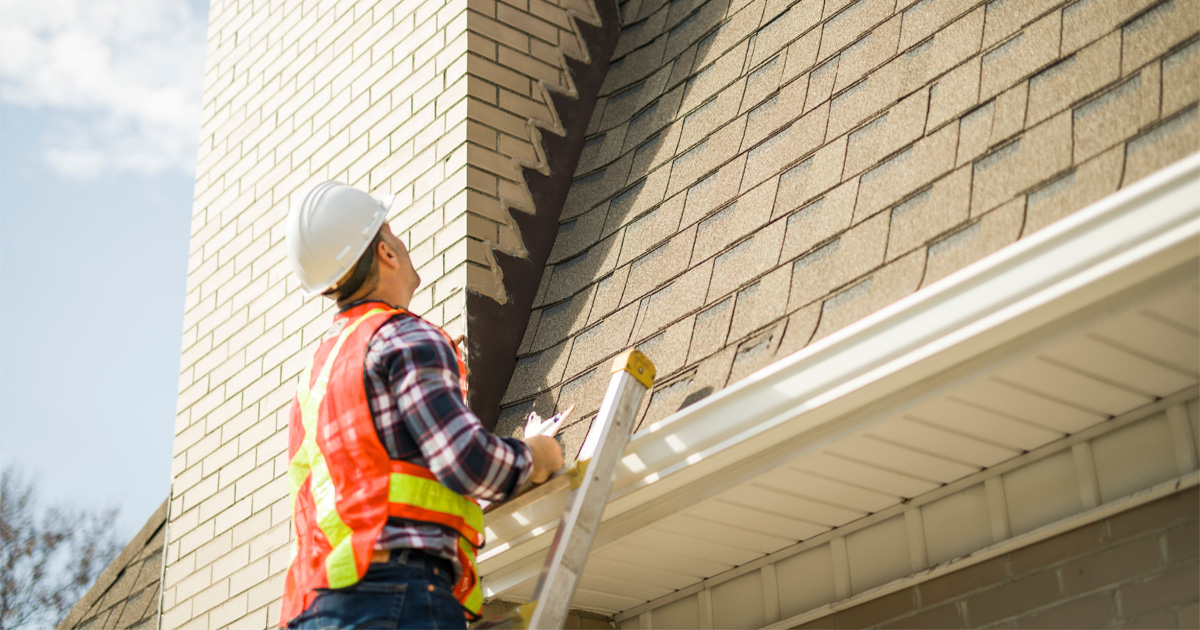
Why Is My Roof Leaking Even When the Shingles Look Fine?
Table of Contents
- 1. Why a Roof Can Leak Without Obvious Shingle Damage
- 2. Common Causes of Roof Leaks Beyond the Shingles
- 3. How Water Travels Through a Roofing System
- 4. Residential Roofing Warning Signs That May Point to a Hidden Leak
- 5. What to Do When You Cannot Find the Source of a Leak
- 6. Frequently Asked Questions
- 7. Key Takeaways
- 8. Know When a Hidden Leak Deserves a Closer Look
- 9. Disclaimer
Have you found a water stain on your ceiling even though the shingles outside still look perfectly fine? It can be confusing because Residential Roofing involves much more than the surface materials you can see from the ground. A roof may develop a leak around flashing, vents, valleys, penetrations, or other components without showing obvious shingle damage.
Outside conditions can contribute too. Branches, leaves, and debris may create roof problems associated with surrounding trees that are not immediately noticeable from your yard.
Another challenge is that water does not always drip straight down from where it enters. It can move beneath roofing materials and along structural components before appearing inside your home.
In this guide, you will learn why this happens, where hidden leaks commonly begin, what warning signs deserve attention, and what you can do when you cannot easily identify the source.
1. Why a Roof Can Leak Without Obvious Shingle Damage
Shingles receive most of the attention because they are the part of the roof you can easily see. Their job is important, but they are only one part of a much larger roofing system.
Beneath and around the shingles are several other components that help manage water. These may include protective layers, roof decking, flashing, vents, valleys, seals, fasteners, and drainage features. A weakness in one of these areas can allow moisture to enter even when nearby shingles appear normal.
Think about a plumbing vent as an example. The shingles around it may still be flat and intact, but the material sealing the penetration can deteriorate or become damaged. Rain can then reach the area around the opening without creating an obvious problem with the surrounding shingles.
The same principle applies around chimneys, walls, valleys, and other transitions.
This is why judging the condition of a roof entirely from the ground can be misleading. A clean, uniform shingle surface tells you something about the visible material, but it does not show you everything happening around or underneath it.
A small opening can also be difficult to recognize because it may only allow water inside under certain conditions. A roof might remain dry during light rain but show signs of leakage during heavier or wind-driven rain.
Understanding that distinction is important when you are trying to determine why moisture keeps appearing indoors.
2. Common Causes of Roof Leaks Beyond the Shingles
There are several places where roof leaks can begin without obvious damage to the main shingle surface. Identifying the actual cause usually requires looking at how different parts of the roof interact rather than focusing on a single material.
Damaged Flashing
Flashing helps direct water away from vulnerable transitions. You will commonly find it around chimneys, walls, valleys, vents, and other areas where roof surfaces or materials meet.
If flashing becomes loose, bent, separated, or deteriorated, water may find an opening beneath surrounding materials. From the ground, everything may still appear normal.
Roofing standards also show how precise some of these details can be. For example, the 2024 International Residential Code (IRC) specifies a minimum nominal thickness of 0.019 inch (0.5 mm) for certain corrosion-resistant metal flashing used with asphalt-shingle roof assemblies.
This does not mean flashing thickness is the cause of every leak. Instead, it helps show why details that may seem minor can matter. The shingles surrounding a chimney or wall may look fine while a problem with flashing allows water to reach materials underneath.
Roof Penetrations
Plumbing vents, exhaust vents, skylights, chimneys, and similar features interrupt the continuous roof surface. These openings need properly installed flashing and surrounding materials to help manage water.
The shingles themselves may remain intact while a seal, flashing detail, or another component around a penetration develops a problem. This is one reason you can experience a leak without seeing missing or obviously damaged shingles nearby.
The size and design of some penetrations can also affect how water needs to be managed. The 2024 IRC, for example, includes specific flashing provisions for roof penetrations and other roof openings. These requirements illustrate why a penetration should be considered as part of the complete roofing assembly rather than treated as an isolated opening.
If a leak repeatedly appears after rain and there is a vent, skylight, chimney, or another penetration farther up the roof slope, that area may deserve closer evaluation.
Valleys
A valley forms where two roof slopes meet. Water from adjoining slopes naturally moves toward this area, so proper valley construction and drainage are especially important.
The 2024 IRC provides a measurable example for asphalt-shingle roof valleys. For an exposed open valley lined with metal, the metal lining is specified at not less than 24 inches (610 mm) wide.
That measurement does not mean an incorrect valley width is responsible for every valley leak. Leaves and other debris, deterioration, physical damage, and installation details can also affect how water moves through this part of the roof.
Instead, the specification demonstrates something useful for homeowners: a roof valley is an intentionally designed water-management area. Even if the shingles on the surrounding slopes look normal, a problem within the valley can still provide a path for water intrusion.
You can review these technical requirements in the 2024 International Residential Code, Chapter 9: Roof Assemblies.
Seams and Fasteners
Not every hidden leak originates with a shingle. Seams, fasteners, transitions, and connections between roofing components can also become vulnerable.
A fastener that loosens, a seam that no longer performs as intended, or a connection between different materials can create a small opening for moisture. These problems may be difficult to recognize from the ground because the surrounding exterior materials can still look normal.
Different roofing materials also have their own potential trouble spots. Understanding some of the less obvious issues that can affect a roofing system can help illustrate why evaluating the entire roof matters when the source of moisture is unclear.
The main takeaway is that you do not need to memorize roofing measurements to understand why these details matter. Shingles are part of a larger assembly, and seemingly small components can have an important role in directing water away from vulnerable areas.
Code requirements can vary depending on the jurisdiction, adopted code edition, local amendments, roof type, and applicable manufacturer instructions. The measurements discussed above are examples from the 2024 IRC and should not be interpreted as determining which requirements apply to a specific home.
3. How Water Travels Through a Roofing System
Finding the source of a leak would be much easier if water always traveled straight down. Unfortunately, that is not necessarily what happens.
Suppose rain enters through a small opening near a roof penetration. Once beneath the exterior material, the water may reach the roof decking and move along its surface. It might then follow framing, another roofing component, or a small gap before finally dripping onto insulation or drywall.
By the time you notice a ceiling stain, the original opening could be some distance away.
Why a Leak Can Seem to Change
Weather conditions can influence how moisture enters.
A leak might appear during a storm with strong wind but remain absent during gentle rainfall. Wind direction can change which roof surfaces receive the greatest exposure and how rain moves around penetrations and transitions.
This can make a leak seem inconsistent.
You might also notice that one storm creates a small stain while another produces a more noticeable damp area. That does not automatically mean the roof damage suddenly became much worse. The amount and direction of rainfall can affect how much water reaches a vulnerable area.
Hidden Materials Can Make Tracing Water Difficult
Once water gets beneath the visible roofing materials, several concealed surfaces can affect where it travels.
Roof decking, framing, insulation, and other materials may redirect moisture before you ever see evidence indoors.
That is why simply replacing the shingles directly above a ceiling stain may fail to address the actual cause. The entry point should be identified before deciding which component needs repair.
4. Residential Roofing Warning Signs That May Point to a Hidden Leak
Not every leak produces dripping water. Some problems begin with subtle changes that are easy to overlook.
Recognizing these warning signs can help you identify a possible moisture problem before it becomes more noticeable.
Water Stains on Ceilings or Walls
Discolored areas on ceilings and walls are among the most recognizable signs of unwanted moisture.
A stain may appear yellow, brown, or darker than the surrounding surface. It may also become more noticeable after rainfall and then seem to fade as the area dries.
Remember that a stain tells you where the moisture eventually became visible. It does not necessarily identify where the water entered.
Damp Insulation or Attic Moisture
If your attic is safely accessible, visible dampness may provide additional clues.
Wet insulation, moisture marks, or unusual discoloration on wood can indicate that water or excess moisture is present. However, moisture in an attic can have more than one possible source, including condensation.
That is why the symptom needs to be evaluated in context rather than automatically being blamed on the roof.
Changes Around Roof Penetrations
Areas around vents, skylights, chimneys, and similar features deserve attention because they interrupt the continuous roof surface.
Problems with seals or damaged flashing around these areas may be difficult to recognize without a closer evaluation.
Recurring Moisture After Rain
Pay attention to patterns.
If the same ceiling stain repeatedly becomes darker after rain, write down when it happens and what the weather was like. Those observations may provide useful clues when trying to trace the source.
When the cause remains unclear, seeking professional help with hidden roofing concerns can provide a more complete evaluation of areas that are difficult to assess safely from the ground.
5. What to Do When You Cannot Find the Source of a Leak
Discovering water indoors often creates an understandable sense of urgency. Still, climbing onto the roof and searching randomly for a damaged shingle is usually not the best approach.
Start by documenting what you can safely observe.
Take a picture of the stain and note when you first noticed it. Pay attention to whether it changes after rain and whether the leak seems connected to heavy rainfall, wind, or a particular type of weather.
If the attic is safely accessible, you can visually check for obvious signs of moisture without walking on unsafe surfaces or disturbing questionable materials.
Useful details to document include:
- Where the stain or moisture appears
- When you first noticed it
- Whether it changes after rainfall
- Whether wind seems to affect the problem
- Whether you recently experienced falling branches or debris
- Whether the same area has leaked before
This information can make it easier to narrow down possible causes.
Avoid Guessing Based on the Interior Stain
One common mistake is assuming that the leak must be directly above the stain.
As discussed earlier, water can travel before it becomes visible. Making a repair based only on the location of the interior damage could leave the actual entry point untouched.
Do Not Simply Cover the Stain
Painting over a dry water stain may improve its appearance, but it does not address the source of the moisture.
If the stain returns after rain, the underlying issue still needs attention.
Avoid Unnecessary Repairs
Replacing otherwise intact shingles without confirming the source may not solve anything if water is actually entering around flashing, a penetration, or another roofing component.
The goal should be to understand the path of the water first. Once the source is identified, you can make a more informed decision about what needs to be repaired.
Frequently Asked Questions
Can my roof leak if none of the shingles are missing?
Yes. Shingles are only one part of your roof. Moisture can potentially enter around flashing, vents, valleys, roof penetrations, seams, or other vulnerable areas even when the shingles themselves appear intact.
A visual inspection from the ground may therefore miss the actual source.
Why does my roof only leak during heavy rain?
Heavy or wind-driven rain can expose vulnerabilities that may not cause problems during lighter rainfall. Water may reach a small opening around flashing, a vent, or another transition only when rainfall is intense or coming from a particular direction.
Tracking when the leak occurs can provide useful clues.
Can a ceiling stain be far away from the actual roof leak?
Yes. Water can move along roof decking, framing, or other surfaces before dripping onto the ceiling below.
This is why the location of a stain should be treated as a clue rather than proof of where the leak started.
Does every ceiling water stain mean there is a roof leak?
No. Roof leakage is one possible explanation, but plumbing issues, condensation, and other moisture sources can sometimes create similar symptoms.
The timing of the moisture can help. For example, a stain that repeatedly becomes wet after rain may point toward the roof, but the actual cause should still be identified before repairs begin.
Should I replace shingles if I cannot find the source of the leak?
Not automatically. Replacing shingles without determining where water is entering may fail to solve the problem.
If the visible shingles are intact, the source may involve another component. Identifying the affected area first can help you avoid unnecessary work and focus on the actual problem.
Key Takeaways
When you see an indoor leak but cannot find visible shingle damage, remember that your roof is a complete system rather than a single exterior layer.
The most important points to keep in mind are:
- Shingles can look normal even when another roof component is allowing moisture inside.
- Flashing, valleys, vents, penetrations, seams, and other transitions can become vulnerable.
- Water can travel before appearing on a ceiling or wall.
- Water stains identify where moisture became visible, not necessarily where it entered.
- Weather conditions can affect when and how a hidden leak appears.
- Documenting patterns can make the source easier to investigate.
- Identifying the cause before choosing a repair can help prevent unnecessary work.
The main lesson is simple: what you see from the ground is only part of the picture. Understanding how the different components work together can help you make better decisions when something does not seem right.
Know When a Hidden Leak Deserves a Closer Look
A roof leak can be frustrating when there is no obvious damage to explain it. However, intact shingles do not rule out problems elsewhere. Flashing, penetrations, valleys, roof decking, drainage areas, and other concealed components all play a role in keeping moisture outside.
If you notice recurring water stains, dampness after rainfall, or another unexplained sign of moisture, learning about available roofing services can help you better understand how roofing concerns are evaluated and what options may be appropriate.
You do not need to guess which material has failed based solely on what you can see. Understanding where the moisture is coming from is the most useful first step toward deciding what deserves attention.
Disclaimer
This article is provided for general informational and educational purposes only. It is not a substitute for professional construction, engineering, insurance, financial, or legal advice.
Every roof and moisture problem is different. The source and extent of a leak can depend on roof design, material condition, installation, weather exposure, previous repairs, maintenance history, and other property-specific factors. Interior moisture can also originate from sources unrelated to the roof.
Do not climb onto a wet, steep, damaged, or otherwise unsafe roof to investigate a suspected leak. Concerns that cannot be safely observed should be evaluated by an appropriately qualified professional.