
How Does Flashing Help Protect Your Roof?
How Does Flashing Help Protect Your Roof?
Table of Contents
- 1. Why Flashing Plays an Important Role in Roof Protection
- 2. What Is Roof Flashing?
- 3. Where Flashing Is Installed and Why Those Areas Need Extra Protection
- 4. What Can Cause Flashing to Deteriorate?
- 5. How Proper Installation Helps Prevent Water Damage
- 6. When Should You Have Your Roof Evaluated?
- 7. FAQ
- 8. Key Takeaways
- 9. Protect Your Roof Before Small Problems Become Bigger Repairs
- 10. Disclaimer
Wondering why some roofs seem to withstand years of heavy rain while others develop leaks much sooner? One important reason is Roof Flashing, a protective material installed in areas where water is most likely to enter your roofing system. While shingles receive most of the attention, they aren’t designed to seal every joint, corner, or roof penetration by themselves.
Understanding how this part of your roof works can help you recognize potential issues before they become expensive repairs. If you’re interested in learning how to better protect your roof from harsh weather throughout the year, you’ll gain additional insight into the different factors that help extend the life of your roofing system.
In this guide, you’ll learn how flashing protects your home, where it’s commonly installed, what causes it to wear out, and how proper maintenance can help reduce the risk of water damage.
1. Why Flashing Plays an Important Role in Roof Protection
Most homeowners naturally focus on shingles because they’re the most visible part of the roof. While shingles provide an important layer of defense, they cannot completely protect every area where different roofing materials meet.
Every roof contains natural transition points. Chimneys extend through the roof, plumbing vents create openings, skylights interrupt the surface, and different roof sections join together at valleys and walls. These locations create opportunities for rainwater to move beneath roofing materials if they aren’t properly protected.
Flashing helps solve that problem by directing water away from these vulnerable areas. Instead of allowing moisture to work its way underneath shingles or into small openings, it creates a pathway that encourages water to continue flowing toward gutters and off the roof.
This protective role may seem simple, but it contributes significantly to the overall performance of the roofing system. Even a relatively small section that has deteriorated or shifted out of place can eventually allow moisture to enter areas that should remain dry.
Another reason this component is so important is that roof leaks don’t always begin where they’re noticed inside your home. Water may travel along rafters or decking before eventually appearing as a stain on a ceiling or wall. That can make the original source difficult to identify without a thorough inspection.
Because of this, many roofing professionals evaluate vulnerable transition areas carefully whenever they inspect a home. Problems found early are often much easier to address than widespread moisture damage discovered months later.
Understanding how these protective materials work allows homeowners to better appreciate why routine maintenance is just as important as replacing worn shingles.
2. What Is Roof Flashing?
You might be wondering what flashing actually is and why it receives so much attention during roof inspections.
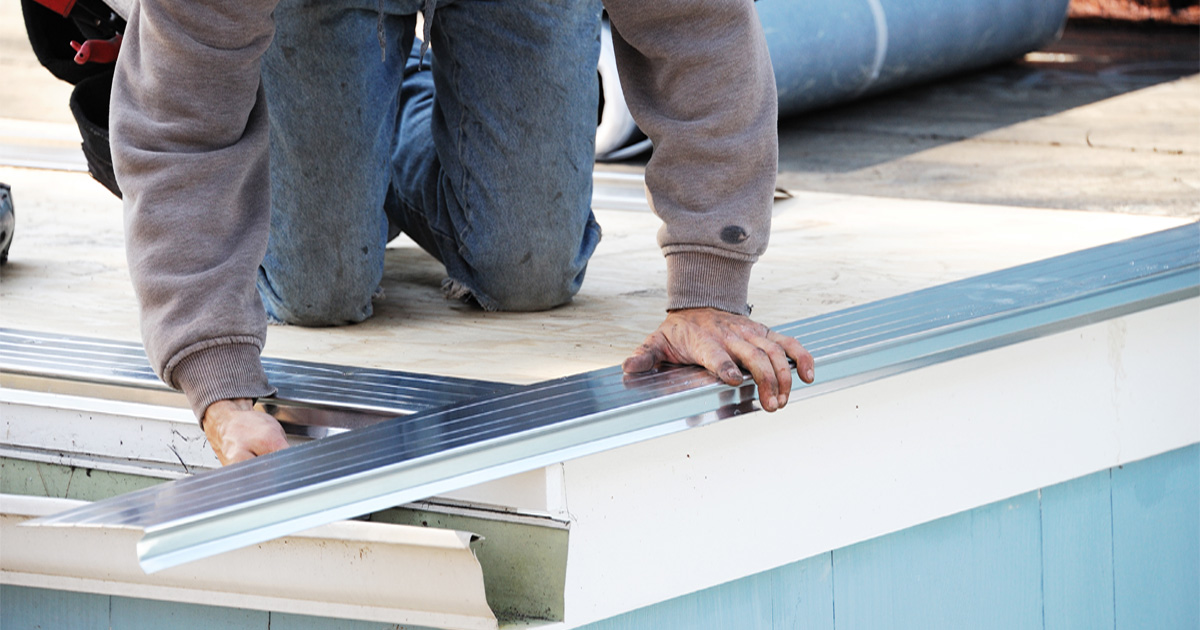
Simply put, it consists of thin pieces of durable material installed wherever water needs extra guidance to remain outside the home. Most residential systems use galvanized steel, aluminum, or copper because these materials provide long-lasting protection while resisting corrosion under normal conditions.
Unlike shingles, which cover broad sections of the roof, flashing focuses on smaller areas where water naturally collects or changes direction. These transition points require additional protection because they experience more complex water movement during rainstorms.
Think of your roof as a carefully designed drainage system. Every component works together to move water safely away from your home. Gutters carry water away after it leaves the roof, shingles guide it downward across large surfaces, while flashing helps manage the more complicated areas between those surfaces.
Without this additional protection, rain could gradually find tiny openings around roof penetrations or intersections. Even small gaps may allow moisture to enter over time, particularly after years of weather exposure.
Good installation also means this protective material works quietly in the background without requiring much attention from homeowners. When functioning properly, most people never notice it’s there.
Its job includes several important responsibilities:
- Directing water away from roof openings and transitions
- Protecting areas where different roofing materials meet
- Reducing the chance of moisture entering beneath shingles
- Supporting the overall waterproofing performance of the roofing system
Although it may appear to be a relatively small part of the roof, it contributes to protecting insulation, roof decking, framing, ceilings, and interior finishes from unnecessary moisture exposure.
3. Where Flashing Is Installed and Why Those Areas Need Extra Protection
Not every part of a roof requires the same level of protection. Some locations naturally experience greater water flow, while others contain openings that interrupt the continuous surface created by shingles.
These are the areas where additional protection becomes especially important.
One of the most common locations is around chimneys. Rainwater flowing down the roof changes direction as it reaches the chimney, creating opportunities for moisture to collect if the surrounding materials are not properly protected.
Roof valleys present another important example. Valleys are formed where two roof slopes meet, causing water from multiple directions to concentrate into a single drainage path. During heavy storms, these areas often carry far more water than other parts of the roof.
Skylights also require careful attention because they interrupt the roof’s surface. Their edges must remain properly sealed to help prevent moisture from entering around the frame while still allowing water to flow naturally down the roof.
Plumbing vents create another vulnerable location. Although these openings are relatively small, they penetrate the roofing system completely. Proper sealing around these penetrations helps reduce the chance of leaks developing over time.
Other areas that commonly receive added protection include:
- Roof-to-wall intersections
- Dormers
- Vent pipes
- Chimney bases
- Skylight edges
- Roof valleys
Each location experiences different drainage patterns, which is why installation techniques may vary depending on the specific part of the roof being protected.
Even if these materials remain in good condition for many years, constant exposure to changing temperatures, sunlight, rain, and wind gradually affects every roofing component. If you’re interested in understanding the different ways seasonal weather can affect your roofing system, you’ll gain a better understanding of why routine roof maintenance becomes increasingly important as a home ages.
Understanding where these vulnerable areas exist also helps explain why roof inspections involve much more than simply looking at shingles. Many potential problems develop in locations homeowners rarely see from the ground, making periodic professional evaluations an important part of protecting the overall roofing system.
4. What Can Cause Flashing to Deteriorate?
Even the most durable roofing materials experience wear over time, and the protective metal installed around vulnerable areas is no exception. Although it is designed to withstand years of exposure, several factors can gradually reduce its effectiveness.
One of the biggest contributors is the constant cycle of expansion and contraction. As temperatures rise during the day and cool at night, roofing materials naturally move. Over many years, this repeated movement can loosen fasteners, separate sealants, or create small gaps that allow moisture to enter.
Severe weather also plays an important role. Strong winds may lift surrounding roofing materials, while hail can dent exposed metal surfaces. Heavy rain places continuous stress on roof valleys and other drainage areas where water flows more heavily.
Age is another factor that homeowners should consider. Protective coatings eventually wear down, sealants may become brittle, and corrosion can begin developing after decades of exposure. Even if leaks haven’t appeared yet, aging materials may no longer perform as effectively as they once did.
Installation quality can also influence long-term performance. Materials that are not properly overlapped, secured, or integrated with surrounding roofing components are more likely to experience problems over time.
Many roofing issues develop gradually rather than suddenly. Small openings may allow tiny amounts of moisture to enter over months or even years before visible signs appear inside the home. This is why regular maintenance and inspections are often recommended, especially for older roofs.
5. How Proper Installation Helps Prevent Water Damage
Proper installation is just as important as choosing quality roofing materials. Even premium products cannot perform as intended if they are installed incorrectly.
Every section must be carefully positioned so water naturally flows over the protective material instead of underneath it. This layered approach allows rainwater to continue moving toward gutters while reducing opportunities for moisture intrusion.
Professional installers also consider how each roofing component works together. Shingles, underlayment, ventilation, and protective metal all function as part of a complete roofing system rather than as individual pieces.
When installation is performed correctly, homeowners benefit from several advantages.
- Better protection against water intrusion
- Improved durability during changing weather conditions
- Reduced likelihood of premature leaks
- Longer overall service life for surrounding roofing materials
Many roofing problems that appear years later actually begin with relatively small installation errors that were difficult to notice at the time. Because these issues often remain hidden beneath shingles, they may only become visible after moisture has already reached underlying materials.
For homeowners, this highlights the importance of focusing on workmanship rather than simply comparing material prices.
6. When Should You Have Your Roof Evaluated?
ou don’t necessarily need to wait until water starts dripping from your ceiling before having your roof inspected.
Many homeowners schedule an evaluation after a severe storm, while others choose to have older roofs inspected periodically as part of routine home maintenance. Either approach can help identify concerns before they become more expensive to address.
You may also want to consider a professional evaluation if you notice rusted metal, loose sections, missing sealant, stains on ceilings, damp attic insulation, or recurring leaks that seem difficult to explain.
In some situations, the surrounding shingles remain in good condition while only a small section requires repair. In other cases, the affected area may indicate broader roofing concerns that deserve additional attention.
If you’re unsure whether a repair is necessary, having your roof professionally evaluated can help determine the condition of your roofing system and identify the most appropriate solution before minor problems become more extensive.
Taking action early often helps homeowners make informed decisions while avoiding unnecessary damage to other parts of the home.
FAQ
How long does flashing usually last?
Its lifespan depends on the material, installation quality, weather exposure, and overall condition of the roofing system. Many metal products can perform well for several decades when properly installed and maintained. Periodic roof inspections can help identify normal wear before it develops into more significant problems.
Can damaged flashing cause roof leaks?
Yes. Because it protects areas where water is naturally more likely to enter, damage can allow moisture to reach the roof deck and eventually the interior of your home. Addressing small problems early often helps reduce the likelihood of larger repairs later.
Does flashing always need to be replaced during a roof replacement?
Not always. If it remains in excellent condition, a roofing professional may determine that replacement is unnecessary, depending on the project and local requirements. However, many homeowners choose to replace aging materials during a reroofing project to support the long-term performance of the new roof.
Can I inspect flashing myself?
You can perform a basic visual inspection from the ground using binoculars or by looking for obvious signs such as loose metal, rust, or visible damage after storms. However, many problems occur in areas that cannot be safely or easily seen without getting onto the roof. A professional evaluation provides a more complete assessment while reducing safety risks.
What happens if flashing problems are ignored?
Small openings can gradually allow moisture to enter the roofing system, even if no leaks are immediately visible inside the home. Over time, this moisture may contribute to wood deterioration, mold growth, damaged insulation, and interior water stains. Identifying problems early is generally much simpler than repairing extensive water damage after it has spread.
Key Takeaways
- Flashing helps protect vulnerable areas where water is most likely to enter a roofing system.
- Proper installation plays an important role in directing water away from roof penetrations and transitions.
- Weather exposure, aging materials, and installation quality all influence long-term performance.
- Early evaluations can help identify small concerns before they develop into larger repairs.
- Understanding how each roofing component works together allows homeowners to make more informed maintenance decisions.
Protect Your Roof Before Minor Problems Grow
Knowing how different roofing components work together can help you recognize potential concerns before they become costly repairs. While flashing may not be the most visible part of your roof, it plays an important role in helping protect your home from moisture and supporting the long-term performance of the entire roofing system.
If you’d like to learn more about maintenance, repairs, or replacement options, explore our roofing services to better understand the solutions available for protecting your home’s roof over the years.
Disclaimer
This article is intended for general informational purposes only and should not be considered professional roofing, engineering, construction, insurance, or legal advice. Every roofing system is different, and repair or replacement recommendations vary depending on material type, installation quality, weather exposure, roof age, and the overall condition of the property. Homeowners should consult a qualified roofing professional for recommendations based on an on-site evaluation of their specific roofing system.