
How Can You Help Your Roof Last Longer?
How Can You Help Your Roof Last Longer?
Table of Contents
- 1. Why Regular Care Matters for Your Roof
- 2. Preventative Roof Maintenance That Can Reduce Early Wear
- 3. What Homeowners Should Check Throughout the Year
- 4. How Weather and Your Surroundings Can Affect Your Roof
- 5. Roofing Maintenance Needs Can Vary by Material
- 6. Frequently Asked Questions
- 7. Key Takeaways
- 8. Help Your Roof Stay Ready for the Years Ahead
- 9. Disclaimer
Your roof handles sun, wind, rain, falling debris, and changing weather throughout the year. While roofing materials are designed for long-term protection, they still benefit from regular attention. Roof maintenance can help you spot developing concerns, reduce unnecessary wear, and better understand when something has changed.
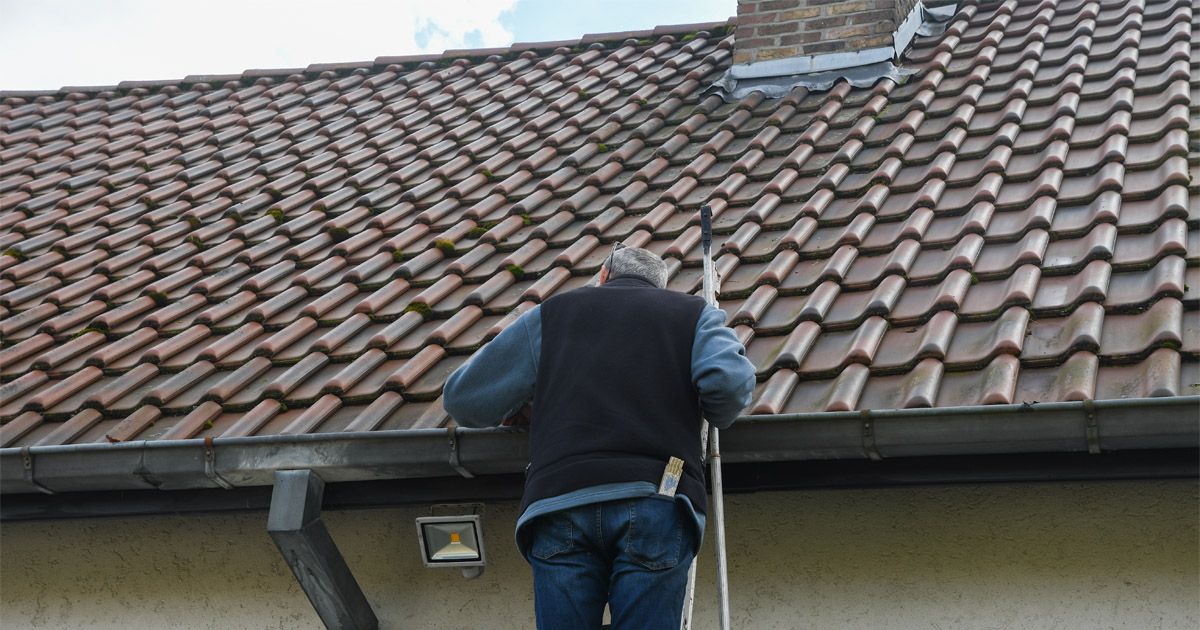
You do not need to climb onto your roof or become an expert to take care of it. Many useful habits involve simple observations from the ground, keeping drainage areas clear, and paying attention to the environment around your home. For example, keeping nearby trees from causing unnecessary roof wear can help reduce problems related to branches, leaves, and accumulated debris.
In this guide, you will learn practical ways to care for your roofing system, what to watch throughout the year, and which common habits can help support its long-term performance.
1. Why Regular Care Matters for Your Roof
It is easy to think of your roof as one large protective surface. In reality, your roof is a system made up of several components that need to work together.
Shingles or metal panels provide the most visible layer of protection, but they are only part of the system. Roof flashing helps manage water around vulnerable areas. Gutters and downspouts help carry water away. Materials beneath the finished roof provide additional protection, while roof ventilation helps manage conditions within the attic.
Because these components depend on one another, a concern in one area can sometimes affect another.
A damaged shingle, for example, may leave the material underneath more exposed. Loose or deteriorated flashing can create an opportunity for moisture to enter around a roof penetration. Gutters filled with leaves may interfere with normal drainage.
Regular observation helps because it gives you a better idea of what is normal for your roof.
If you occasionally look at your home from the same areas around your property, you may be more likely to notice a missing shingle, a piece of displaced material, debris collecting in a valley, or another visible change.
The goal is not to prevent your roof from aging. All roofing materials naturally change as they are exposed to the elements. Instead, the goal is to reduce avoidable stress and recognize concerns before they are easy to overlook.
You should also pay attention to what is happening inside your home. A roof can develop a problem that is difficult to see from outside. Ceiling stains, damp insulation, or unexplained moisture may provide clues that something deserves a closer look.
2. Preventative Roof Maintenance That Can Reduce Early Wear
Preventative roof maintenance is not about constantly working on your roof. It is about developing a few sensible habits that can help you recognize changes earlier.
Start with safe visual observations.
Walk around your home occasionally and look at the roof from different angles. You are not trying to inspect every shingle. Instead, look for areas that appear noticeably different from the rest of the roof.
You might notice loose roofing materials, debris collecting in one area, an unusual change in the roofline, or a section that looks different after strong weather.
Drainage is another area worth watching. Gutters and downspouts are designed to move water away from the roof and home. Leaves, twigs, and other debris can interfere with that process when they accumulate.
You can also look for changes inside the house. Water stains on ceilings or walls, peeling finishes, damp insulation, musty odors, or unexplained moisture should not simply be ignored.
These symptoms do not automatically tell you what is wrong. Water can sometimes travel through parts of the roofing system before becoming visible indoors, which means the location of a stain may not be the exact location where moisture entered.
This is where regular observation becomes useful. You do not have to diagnose the problem yourself. You only need to recognize that something has changed and decide whether it deserves further attention.
Consistency is more useful than constantly checking. Developing a simple routine throughout the year can make unusual conditions easier to recognize.
3. What Homeowners Should Check Throughout the Year
Residential roof maintenance does not have to become a complicated home improvement project. For most homeowners, the practical starting point is knowing what to observe and when to take a closer look.
A basic homeowner check can include:
- Looking for missing, cracked, loose, or visibly displaced roofing materials
- Checking gutters and downspouts for obvious debris or drainage problems
- Watching for branches, leaves, or other materials collecting on the roof
- Looking for visible changes around vents, chimneys, skylights, and other penetrations
- Checking ceilings and attic areas for staining or moisture
- Watching for noticeable changes in the roofline
These observations are especially useful after significant weather. Strong wind, heavy rain, or falling debris can affect parts of a roofing system even when the roof looked normal beforehand.
You can perform many of these checks without stepping onto the roof.
That is important because roofing surfaces can be steep, slippery, and difficult to navigate safely. Walking on certain roofing materials may also cause damage if you do not know how to move across them properly.
If you notice something unusual, try to document what you see. A photograph taken safely from the ground can make it easier to compare the area later and determine whether the condition appears to be changing.
There are also situations where observation alone is not enough. Recurring moisture, missing materials, visible movement, or concerns that cannot be evaluated safely from the ground may deserve professional assessment. Understanding when your roof may need professional attention can help you decide when it makes sense to have the system examined more closely.
4. How Weather and Your Surroundings Can Affect Your Roof
Your roof does not age in isolation. Weather and the environment surrounding your home can influence how different parts of the roofing system wear over time.
Sunlight is one factor. Areas receiving prolonged direct sunlight may age differently from sections that remain shaded for much of the day.
Wind creates another type of stress. Exposed edges and roofing materials can experience movement during stronger weather. Wind may also carry leaves, branches, and other debris onto the roof.
Why Installation Details Matter During High Winds
Wind performance depends on more than the roofing material itself. The specific product, installation method, fastener pattern, and surrounding roofing components can all influence how a system is designed to perform.
For a measurable example, GAF’s residential roofing warranty information lists maximum wind-speed coverage of 130 mph with specified special installation for qualifying shingles. For GAF LayerLock-labeled shingles, that special installation calls for four nails per shingle plus GAF starter strip products at the eaves and rakes. Other qualifying GAF shingles may require six nails per shingle plus the specified starter strips. For installations not eligible for the WindProven Limited Wind Warranty, GAF lists maximum wind-speed coverage of 130 mph with special installation or 110 mph without special installation.
These figures are useful because they show how installation details can affect documented performance. They are manufacturer-specific warranty specifications, not universal wind ratings for every asphalt shingle or roofing system. Always check the requirements for the actual product installed on your home.
For you as a homeowner, the takeaway is simple. Two roofs that look similar from the ground may not have the same installation specifications or documented wind coverage. The roofing product, fastener requirements, starter components, and installation method can all matter.
Rain also tests the system’s ability to move water away efficiently. The visible roofing material helps shed water, while flashing, drainage components, and the layers underneath provide additional protection in their respective areas.
The environment around your home deserves attention too.
Nearby trees can drop leaves and small branches onto the roof. Debris may settle in valleys or gutters, where it can interfere with normal drainage. Larger branches can rub against roofing materials or cause sudden damage if they fall.
After severe weather, take a few minutes to look around your property from a safe location.
You may notice branches on the roof, debris near downspouts, displaced roofing material, or pieces on the ground that were not there before. These clues do not automatically mean the roof has serious damage, but they can give you a reason to look more carefully.
Avoid assuming that every storm has caused a problem. At the same time, do not assume everything is fine simply because you cannot see water entering your home.
Some changes are subtle at first. Becoming familiar with the normal appearance of your roof makes those changes easier to recognize.
5. Roofing Maintenance Needs Can Vary by Material
The type of roofing material installed on your home can influence what you should pay attention to over time.
Asphalt shingles, for example, may show visible changes in individual shingles or groups of shingles. You might notice curling edges, cracking, missing pieces, displaced materials, or areas that look noticeably different from the surrounding surface.
Metal roofing has different characteristics. Depending on the system, areas such as panels, seams, flashing, fasteners, and penetrations may deserve attention.
If you have this type of system, learning about maintenance concerns that can develop with metal roofing can help you understand why the warning signs may differ from those associated with asphalt shingles.
The roofing material itself is not the only factor.
Roof design, slope, age, previous repairs, installation quality, surrounding vegetation, and weather exposure can all influence how a system changes over time.
For this reason, comparing your roof directly with a neighbor’s roof may not tell you very much. Two houses next to each other can have roofs of different ages, materials, designs, repair histories, and exposure patterns.
It is more useful to understand your own roofing system and pay attention to how it changes.
Another common assumption is that a durable material requires no ongoing attention. Even when the main roofing material remains in good condition, other components such as roof flashing, drainage areas, penetrations, and sealants may still need to be monitored.
Good roof maintenance considers the entire system rather than focusing only on the most visible surface.
Common Roofing Maintenance Mistakes to Avoid
Roofing maintenance can also involve knowing what not to do.
One common mistake is waiting for an active leak before paying attention. A leak is an obvious warning sign, but other changes may appear earlier. Damaged roofing materials, drainage problems, loose flashing, or interior staining can all provide reasons to investigate.
Another mistake is assuming every concern can be fixed with a quick DIY repair. Applying a patch without understanding where moisture is entering may address the visible symptom without resolving the underlying cause.
Walking onto the roof simply to investigate a concern can also create unnecessary risk. Roof surfaces can be slippery or unstable, and certain roofing materials can be damaged by improper foot traffic.
It is also easy to focus entirely on shingles or panels while overlooking other components. Gutters, flashing, ventilation, penetrations, and the materials beneath the finished roof all contribute to overall performance.
Finally, do not assume a newer roof is automatically free from concerns. Severe weather, falling debris, unexpected impacts, and installation-related issues can affect a roofing system regardless of its age.
The most useful approach is consistent observation. When you know what normal looks like, changes are easier to notice.
Frequently Asked Questions
How often should you check the condition of your roof?
There is no single schedule that works for every home. The age of the roof, roofing materials, surrounding trees, previous repairs, and weather exposure can all influence how often it makes sense to look for changes.
A practical approach is to perform occasional visual checks from the ground and pay additional attention after significant weather. You can also watch for warning signs indoors, including new stains, damp areas, or unexplained moisture.
Can keeping gutters clean help protect a roof?
Keeping gutters clear can support proper drainage around the roof edge. Leaves, twigs, and other debris may interfere with water flow when they accumulate.
Gutter care is only one part of maintaining a roofing system. Roofing materials, flashing, penetrations, and other components also deserve attention.
Should you remove leaves and branches from your roof yourself?
Debris should not be ignored when it is accumulating or interfering with drainage. However, that does not mean you should climb onto the roof to remove it.
If the material cannot be addressed safely from the ground, having someone with appropriate equipment and experience handle the situation may be the safer option.
What are some early signs that a roof may need attention?
Missing or displaced roofing materials, damaged flashing, unusual changes in the roofline, accumulated debris, and drainage problems can all be worth investigating.
Inside your home, water stains, damp insulation, peeling finishes, musty odors, or unexplained moisture may also indicate that something has changed. These symptoms do not necessarily identify the source, so a closer evaluation may be needed.
Can regular care prevent every roofing problem?
No. Even a carefully maintained roofing system can experience material aging, storm damage, falling debris, or unexpected problems.
Regular care is useful because it can help you identify changes earlier and reduce avoidable wear. It should not be treated as a guarantee that repairs will never be necessary or that a particular roof will last for a specific number of years.
Key Takeaways
- Your roof is a complete system, so shingles or metal panels should not be your only focus.
- Regular visual observations can help you recognize changes before they become easier to overlook.
- Gutters, flashing, ventilation, penetrations, and surrounding vegetation can influence roof performance.
- Different roofing materials may show different warning signs as they age.
- Checking the roof after significant weather can help you identify visible changes.
- You do not need to climb onto your roof to monitor many common conditions.
- Consistent care can help reduce unnecessary wear, but it cannot prevent every roofing problem.
Help Your Roof Stay Ready for the Years Ahead
Helping your roof last longer usually comes down to consistent attention rather than one major maintenance project. Watching for visible changes, keeping drainage areas clear, managing debris around your home, and responding to warning signs can all help support the roofing system over time.
You do not need to diagnose every issue yourself. Simply knowing how your roof normally looks and recognizing when something has changed can help you make more informed decisions about what deserves further attention.
If you have questions about a specific roofing concern or would like a professional evaluation, explore available roofing services to learn more about your options and determine an appropriate next step for your home.
Disclaimer
This article is intended for general informational purposes only and should not be considered professional construction, engineering, financial, insurance, or legal advice. Every roofing system is different, and its condition can depend on factors such as roofing materials, installation quality, age, previous repairs, maintenance history, weather exposure, and surrounding conditions.
Avoid climbing onto a roof or attempting repairs if you do not have the appropriate training, safety equipment, and experience. A qualified roofing professional can evaluate specific concerns and provide recommendations based on the actual condition of your roofing system.