Shingle Siding in Austin TX | Premium Siding & Painting
If you’re looking to boost your home’s curb appeal with durable and beautiful siding, shingle siding in Austin TX is an excellent choice. This siding type offers a classic, rustic look that stands up to the Texas climate while enhancing your home’s value. At Premium Siding & Painting, we specialize in shingle siding installation in Austin, helping homeowners like you protect and enhance the beauty of their homes. Whether you’re looking for a simple upgrade or a full replacement, our team of local siding contractors in Austin is here to help.
Visit us today at 13806 Ann Pl Bldg 2, Austin, TX 78728. For more details or to schedule your consultation, call us at (512) 997-9613.
Shingle Siding in Austin TX | Premium Siding & Painting
If you’re looking to boost your home’s curb appeal with durable and beautiful siding, shingle siding in Austin TX is an excellent choice. This siding type offers a classic, rustic look that stands up to the Texas climate while enhancing your home’s value. At Premium Siding & Painting, we specialize in shingle siding installation in Austin, helping homeowners like you protect and enhance the beauty of their homes. Whether you’re looking for a simple upgrade or a full replacement, our team of local siding contractors in Austin is here to help.
Visit us today at 13806 Ann Pl Bldg 2, Austin, TX 78728. For more details or to schedule your consultation, call us at (512) 997-9613.
What is Shingle Siding?
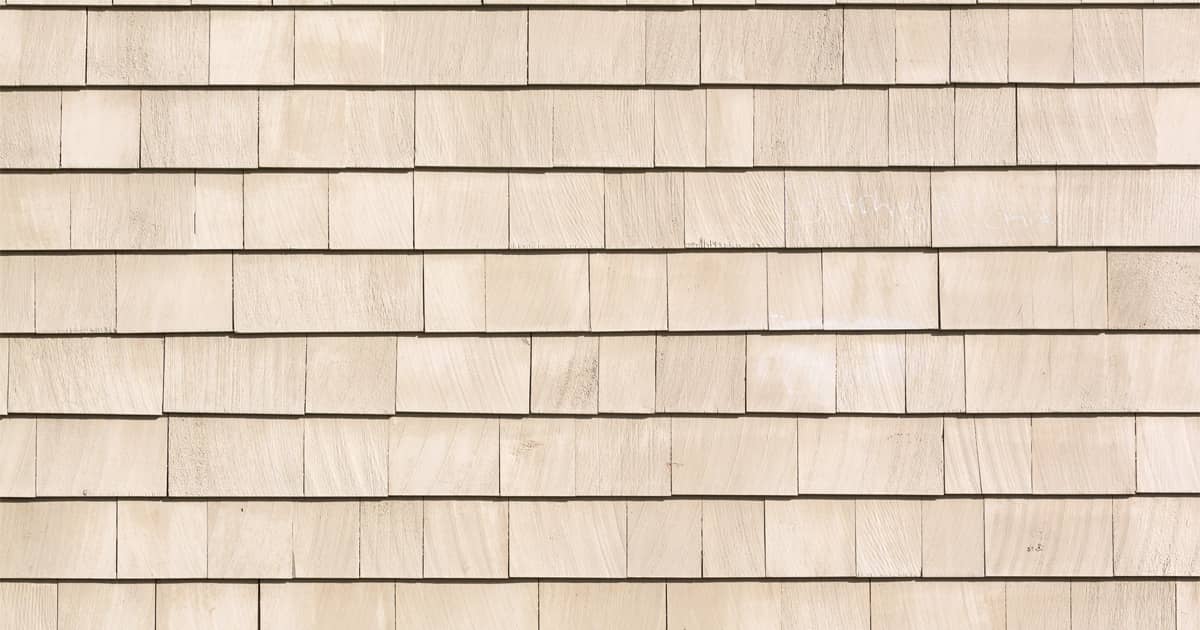
If you’re considering ways to enhance the exterior of your home in Austin, shingle siding might just be the solution you’re looking for. This popular siding option is made from a variety of materials, including wood, asphalt, and composite, and creates a beautiful, layered look that adds both texture and depth to your home’s facade. Shingle siding not only offers great curb appeal but also provides durable protection against the elements.
In a place like Austin, where intense heat and humidity can take a toll on your home’s exterior, shingle siding is a great choice. It’s designed to withstand the Texas climate while giving your home a timeless, classic look. If you’re thinking about replacing your old siding, you can read more about siding replacement in Austin to understand how shingle siding can provide a durable and aesthetically pleasing solution for your home.
Why Choose Shingle Siding?
Aesthetic Appeal: Shingle siding enhances your home’s curb appeal with its textured and layered design, offering a charming, rustic look.
Durability: Shingle siding is made from tough materials that stand up to the elements, providing lasting protection from weather conditions in Austin.
Energy Efficiency: The layered structure of shingle siding helps insulate your home, keeping it cooler during the summer and warmer in the winter.
How Shingle Siding Affects Homes in Austin
Austin’s climate poses unique challenges for homeowners, from scorching sun to sudden rainstorms. Shingle siding can help protect your home against these elements, while simultaneously enhancing its beauty. Here’s how it helps:
Heat Resistance: Shingle siding can withstand Austin’s high temperatures, protecting your home from sun damage and keeping your home cooler.
Humidity Protection: With the right materials, shingle siding helps prevent moisture from seeping in, protecting your home from mold, mildew, and water damage.
Blends with Local Architecture: Shingle siding fits seamlessly into Austin’s diverse neighborhoods, from modern homes to more traditional designs.
How We Help: Our Shingle Siding Installation Process
At Premium Siding & Painting, we ensure that every shingle siding installation in Austin is done to the highest standards. Here’s how we help:
Consultation & Design: The first step is a free consultation, where we discuss your needs and help you select the perfect materials and design for your home. During this stage, we ensure you fully understand your options and how shingle siding can benefit your property in Austin.
Professional Installation: Our expert contractors take great care during the installation process, ensuring everything is done to the highest standards. We’re proud of our team of skilled siding contractors in Austin, who bring years of experience to every project. If you’re curious about the importance of working with a professional team, you can read more about our experienced contractors in our blog post on siding contractors in Austin.
Quality Assurance: After the installation is complete, we conduct a thorough quality check to ensure your new siding is flawless and provides maximum protection for your home. Our goal is to leave you with a long-lasting, beautiful exterior that will withstand the elements for years.
Maintenance Tips: To keep your shingle siding looking great, we provide you with easy maintenance tips that will help preserve its beauty and durability. Regular maintenance will also help extend the lifespan of your siding, so you can enjoy its benefits for many years to come.
Why Choose Premium Siding & Painting for Shingle Siding in Austin TX?
Experience & Expertise: With years of experience in siding installation, we are the trusted experts in Austin.
High-Quality Materials: We use only the best materials, ensuring that your shingle siding is both durable and attractive.
Local Expertise: As a locally owned company, we understand the unique challenges faced by Austin homeowners, from intense sun to occasional rain.
Customer Satisfaction: We focus on providing the highest level of service, ensuring every client is completely satisfied with their results.
Ready to get started? Request your free quote today and let us help you transform your home with high-quality shingle siding installation!
Need More Information or Ready to Get Started?
We’re here to help with all your siding needs in Austin. Whether you need expert advice, a free consultation, or assistance with your next project, our team is ready to assist you.
Feel free to reach out to us:
Phone: (512) 997-9613
Email: info@pspcompany.com
For more details or to schedule a consultation, visit our Contact Us page.
FAQs
Shingle siding can last anywhere from 20 to 50 years, depending on the materials used and how well it is maintained. Regular upkeep will help extend its life.
Shingle siding’s durability and heat resistance make it ideal for the Texas climate, where the weather can range from very hot summers to occasional rainstorms.
The cost varies depending on the size of your home and the materials chosen. We offer free quotes to help you understand the cost and make an informed decision.
Yes, like any exterior material, shingle siding requires periodic maintenance, including cleaning and occasional repairs, to keep it in great condition.
Shingle siding offers a unique, layered aesthetic and provides excellent protection against the elements. It is often more durable than other options like vinyl siding.
Get Started with Shingle Siding in Austin TX Today
Ready to upgrade your home with shingle siding? Contact Premium Siding & Painting for a free consultation. Our siding service page is the perfect place to learn more about how our siding contractors in Austin can help you choose the perfect siding for your home. You can also find our location on Google Maps for easy directions to our office.
Disclaimer
All information on this page is for general purposes. The actual cost of installation may vary depending on specific needs and materials. Please contact us for a tailored quote.