
Should You Repair Your Siding or Replace It Completely?
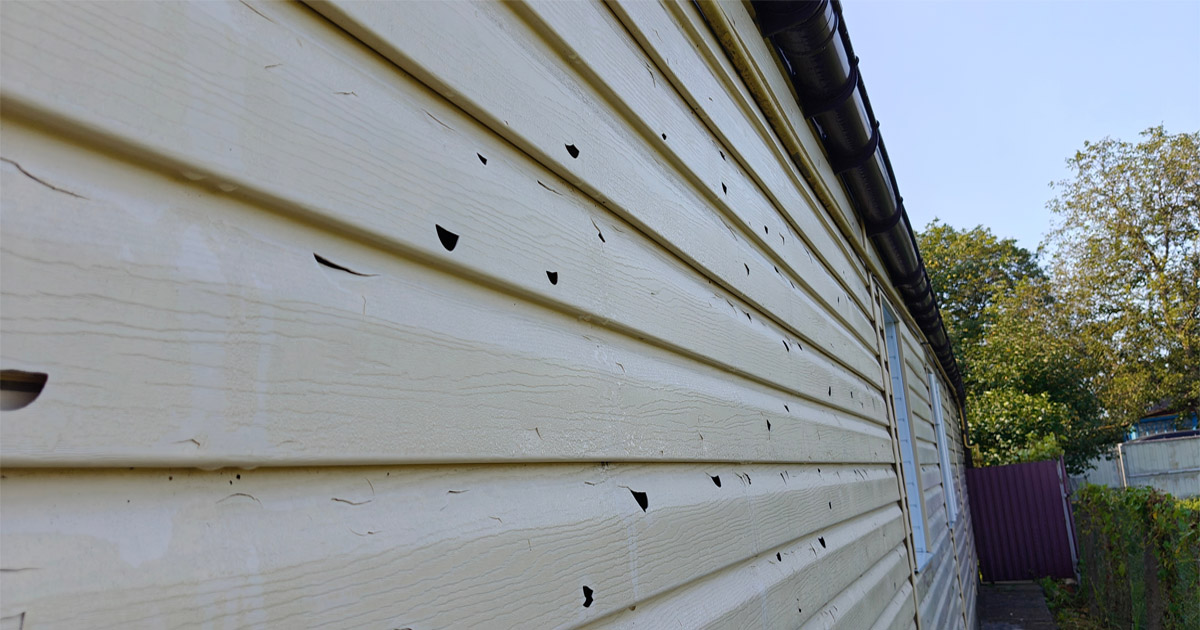
Should You Repair Your Siding or Replace It Completely?
Table of Contents
- 1. Siding Repair: When a Small Fix May Be Enough
- 2. When Damaged Siding Can Usually Be Repaired
- 3. When Siding Replacement May Make More Sense
- 4. What Factors Affect the Repair-or-Replace Decision?
- 5. Common Mistakes to Avoid When Dealing With Siding Damage
- 6. Frequently Asked Questions
- 7. Key Takeaways
- 8. Make a More Informed Decision About Your Siding
- 9. Disclaimer
Have you spotted a crack, loose panel, warped section, or another problem with your home’s exterior? Your first question may be whether siding repair is enough or whether you need to consider replacing a larger area. The answer depends on more than how the damage looks from a distance.
Some problems stay limited to one or two sections, while others are signs that a larger portion of the exterior needs attention. Before making that decision, learning which signs of siding damage deserve a closer look can help you understand what you are seeing and whether the problem appears isolated or more widespread.
This guide explains how to think through the repair-or-replace decision, what factors matter most, and which common mistakes can make siding problems harder to address.
1. Siding Repair: When a Small Fix May Be Enough
A damaged section does not automatically mean all of your exterior siding needs to come off. When a problem is limited to a relatively small area and the surrounding material remains in good condition, a targeted fix may be a practical approach.
For example, one panel might crack after being struck by an object. Another section could become loose while the rest of the wall remains secure. Situations like these are different from finding cracks, movement, or deterioration across several sides of your home.
The cause of the problem matters just as much as its size. Replacing a damaged panel can address what you see, but it will not solve an underlying issue if something else caused the damage. That is why evaluating the surrounding material is important before deciding what work makes sense.
You should also consider what is happening behind the visible surface. Siding is part of an exterior wall system, so the condition of nearby materials can influence how straightforward a repair will be. If the concern is limited to the outer material, the project may be relatively focused. If there are signs that a problem extends deeper, more investigation may be necessary.
Matching the existing material is another practical consideration. A replacement panel should fit correctly with the surrounding siding. Depending on the material and how long it has been installed, matching the original profile, texture, or appearance may be more difficult.
The key is to look at the entire situation rather than assuming every visible defect requires the same solution.
2. When Damaged Siding Can Usually Be Repaired
Whether damaged siding can be repaired often comes down to three questions: How much is affected, what caused the problem, and what condition is the surrounding material in?
A small, isolated area is usually different from widespread deterioration. If only a few panels have been affected and nearby sections remain secure, there may be less reason to disturb material that is still performing as intended.
Consider a single cracked panel. If the crack resulted from an isolated impact and there are no similar problems nearby, addressing that particular section may be worth considering. If cracks appear repeatedly across several walls, however, the situation deserves a broader look.
Loose siding follows a similar pattern. One displaced piece may be an isolated concern. Multiple loose sections could point to a larger installation, fastening, or material issue that should be understood before individual pieces are addressed.
You should also pay attention to moisture-related warning signs. Discoloration, persistent dampness, soft areas, or recurring problems near the same part of the wall may suggest that simply addressing the visible panel will not tell the whole story.
Regular maintenance makes these changes easier to recognize. Understanding how routine care can help protect your exterior gives you a useful baseline for noticing when something has changed.
The earlier you identify a developing problem, the easier it is to determine whether it remains localized. Waiting until several areas show visible deterioration can make the decision more complicated.
3. When Siding Replacement May Make More Sense
Siding replacement becomes a more reasonable consideration when problems are no longer isolated. Widespread deterioration, recurring repairs, extensive physical damage, or difficulties matching existing materials can all change the equation.
Imagine repairing one cracked panel this year, another loose section several months later, and then discovering similar problems elsewhere. Each issue might appear manageable on its own, but the pattern matters. Repeated problems can be a reason to evaluate the overall siding condition rather than continuing to address one section at a time.
Widespread warping can raise similar questions. A single affected panel is one thing. Changes across a large wall or multiple elevations suggest that the exterior should be considered more broadly.
Appearance may also influence the decision, particularly when replacement materials cannot be matched well. Siding naturally changes in appearance as it is exposed to weather. Even if you locate the same product, a brand-new panel may not visually blend with material that has been on the house for years.
There are also situations where access to materials behind the siding is necessary. If a larger area needs to be opened to understand or correct an underlying condition, replacing more than the visibly damaged piece may become part of the project.
This does not mean that widespread damage automatically requires replacing every piece of siding. The appropriate scope depends on what an evaluation reveals and whether unaffected sections can reasonably remain in place.
4. What Factors Affect the Repair-or-Replace Decision?
Two homes can have similar-looking siding damage and still need different solutions. The material, extent of the problem, previous maintenance, installation, and condition of the wall system can all influence the decision.
Looking at these factors together gives you a clearer picture than focusing on a single cracked or loose panel.
How Much Siding Is Affected?
Start by looking at the scope.
One or two damaged panels create a very different situation from cracking, warping, or movement across an entire wall. As the affected area becomes larger, repeatedly replacing individual pieces may become less practical.
Pay attention to whether the problem appears in one isolated spot or across several sections. A localized issue may support a focused solution, while a pattern of damage can be a reason to evaluate the exterior more broadly.
Is the Problem Happening Repeatedly?
History matters. If a section has already received attention and the same problem returns, there may be more going on than a damaged surface.
Recurring problems are a reason to investigate the cause rather than repeatedly treating the visible symptom. You may also want to consider whether similar changes are starting to appear elsewhere.
A problem that keeps returning does not automatically mean the entire exterior needs replacement. It does mean that understanding why it is happening becomes more important before deciding what to do next.
Can the Existing Material Be Matched?
Availability can affect what is practical. Some older profiles, textures, or product styles may be difficult to find.
There is also the question of appearance. New material has not experienced the same sun and weather exposure as the existing exterior, so finding the same product does not always mean the repaired area will look exactly the same.
This may be less important when only function matters to you, but it can become a larger consideration when several visible sections need work.
What Is the Condition of the Surrounding Material?
A damaged panel should not be evaluated in isolation. Look at nearby pieces and other parts of the exterior.
If surrounding sections remain secure and consistent, a smaller project may make sense. If cracking, movement, deterioration, or other changes extend beyond the obvious problem area, a broader approach may deserve consideration.
The condition of nearby siding can also help you understand whether you are dealing with an isolated event or a pattern that is developing across the exterior.
Is There Evidence of a Deeper Problem?
Sometimes the visible siding is only where a problem becomes noticeable. Moisture or other underlying concerns may require access behind the exterior material.
The space and water-management components behind siding can matter just as much as the visible surface. For a measurable example, Building Science Corporation notes that effective rainwater drainage can occur in drainage spaces as small as 1/16 to 1/8 inch (2 to 3 mm). The appropriate drainage space varies depending on the type of cladding and how the wall assembly is designed.
This is one reason visible damage should not always be evaluated by appearance alone. If moisture is getting behind the cladding or another part of the wall assembly is affected, replacing an exterior panel without addressing the underlying condition may leave the actual problem unresolved.
When the situation is difficult to judge from appearance alone, reviewing professional options for addressing damaged exterior siding can help you understand what may be considered during an evaluation.
The goal is not to choose the smallest or largest project automatically. It is to choose a scope that addresses the actual condition of your home.
5. Common Mistakes to Avoid When Dealing With Siding Damage
Homeowners understandably want to keep exterior projects manageable. However, a quick decision based only on appearance can sometimes overlook information that would change the best course of action.
Assuming Every Crack Means Complete Replacement
A crack deserves attention, but it does not automatically mean your entire exterior needs replacing.
Its location, cause, size, and the condition of nearby materials all matter. An isolated defect should be evaluated differently from widespread cracking.
Looking Only at the Most Obvious Panel
The panel that first catches your attention may not be the only area affected.
Take a broader look at the wall and nearby sections. Check for changes such as movement, gaps, warping, discoloration, or other visible irregularities. You are trying to understand whether you are looking at one damaged piece or a pattern.
Ignoring Recurring Problems
A repair that repeatedly needs attention deserves a closer look. If the same problem continues to return, simply addressing the surface may not resolve its cause.
Keep track of where problems occur and whether similar symptoms are developing elsewhere.
Waiting Until Damage Becomes Extensive
Minor exterior changes can be easy to postpone because they may not affect daily life immediately. The problem is that waiting can make it harder to determine when an isolated issue became a broader one.
Periodic visual checks can help you recognize changes sooner.
Choosing Based Only on Appearance
Curb appeal matters, but appearance should not be the only factor. A panel can look unattractive while still presenting a relatively localized problem. Conversely, an exterior can look acceptable from a distance while closer inspection reveals concerns.
A better decision comes from considering condition, cause, extent, compatibility, and what is happening around the damaged area.
Frequently Asked Questions
Can you repair only one section of siding?
In some situations, yes. If damage is limited to a small area and compatible replacement material is available, individual panels or sections may be addressed without replacing everything.
The surrounding siding still needs to be considered. If nearby areas show similar deterioration or there is evidence of a broader underlying problem, focusing only on one piece may not address the complete situation.
How do you know when siding needs to be replaced instead of repaired?
Look at the extent and pattern of the damage rather than relying on one symptom. Problems spread across multiple areas, recurring issues, extensive warping, or widespread deterioration can make broader replacement worth considering.
A professional evaluation can also help determine whether the visible damage is isolated or connected to conditions behind the siding.
Can cracked siding always be fixed?
Not necessarily. The appropriate approach depends on the material, severity of the crack, location of the damage, and condition of the surrounding area.
A small isolated crack may present different options than multiple cracked panels. Understanding why the crack developed is also important because addressing the visible damage alone may not prevent the problem from returning.
What happens if you leave damaged siding alone?
The result depends on the type and severity of the damage. Some cosmetic imperfections may remain relatively limited, while openings, loose sections, or other defects can leave parts of the exterior more exposed to weather.
Because it can be difficult to judge severity from the ground, checking changes periodically and addressing concerning areas early can help you better understand their condition.
Does replacing a few panels make the siding look mismatched?
It can. Existing siding may have changed in appearance because of normal exposure to sunlight and weather. A newly installed panel has not experienced the same conditions.
The availability of the original material also matters. Even when a similar profile can be found, differences in texture, finish, or weathering may make the repaired area noticeable.
Key Takeaways
- Localized damage does not automatically mean the entire exterior needs replacement.
- Widespread or recurring problems deserve a broader evaluation.
- The condition of surrounding panels matters just as much as the most obvious damaged area.
- Matching older siding can influence whether a small repair is practical.
- Moisture-related concerns or problems behind the visible material may change the scope of the project.
- Regular inspections and maintenance can make developing problems easier to identify.
- The right decision depends on the condition of your particular home rather than a universal repair-or-replace rule.
Make a More Informed Decision About Your Siding
Choosing between a smaller repair and broader replacement becomes easier when you understand the extent of the damage, its likely cause, and the condition of the surrounding exterior. A single damaged section may call for a focused solution, while recurring or widespread problems can justify looking at the exterior more comprehensively.
You do not need to make that decision based only on what you can see from the ground. If you have questions about the condition of your exterior or want to better understand the options available for your home, explore available siding services to learn more about possible next steps.
Disclaimer
This article is intended for general informational and educational purposes only. It should not be considered professional construction, engineering, insurance, financial, or legal advice. Every home’s exterior is different, and the appropriate approach depends on factors such as siding material, installation, weather exposure, maintenance history, the extent of damage, and the condition of underlying components. A qualified professional should evaluate your property before you make repair or replacement decisions.