
- By Premium Siding & Painting Company
- Siding
- 0 Comment
What Happens During the Siding Installation Process?
If you are planning a home exterior upgrade, you might be wondering what actually happens during the siding installation process. It is a common concern, especially if you want to avoid surprises and understand how everything will unfold once the project begins.
A siding project is more than just attaching new panels to your home. It involves preparation, inspection, repairs, and careful installation to make sure everything performs well over time. Knowing how the process works ahead of time helps you feel more confident and prepared.
Before moving forward, many homeowners spend time learning what to look for in a professional. Understanding what really matters, like experience, communication, and attention to detail, can make a big difference in how smoothly your project goes. Taking a closer look at what to consider when choosing a siding contractor early on can help you make a more informed decision before any work begins.
Why the Installation Process Matters
Siding is one of the most important layers protecting your home. It does more than improve appearance. It helps block moisture, reduce exposure to extreme weather, and maintain indoor comfort.
When installed properly, it supports the overall structure of your home. Poor installation, on the other hand, can lead to issues that may not show up right away. For example, small gaps or improper sealing can allow water to get behind the panels. Over time, that can cause damage to the underlying structure.
Understanding how siding is installed helps you recognize quality work and gives you more confidence throughout the project. It also helps you ask better questions before and during installation.
Siding Installation Process Step by Step
Initial Inspection and Planning
Every project starts with a detailed inspection. This is where the contractor evaluates the current condition of your home’s exterior and plans the next steps.
You can expect them to check for signs of wear, moisture damage, or structural issues. They will also take measurements and review your material choices. This stage may seem simple, but it sets the foundation for everything that follows.
A well-planned project reduces delays and helps avoid unexpected problems later.
Removing Existing Siding
Once planning is complete, the next step is removing the old siding. This is done carefully to avoid damaging the structure underneath.
As the old material comes off, the contractor gets a clear view of the surface beneath. This often reveals issues that were not visible before, such as hidden moisture or weakened wood.
Removing the existing siding also ensures that the new installation starts on a clean and stable surface.
Structural Repairs and Preparation
After the old siding is removed, the exposed structure is inspected closely. Any damaged sections need to be repaired before new materials are installed.
This step is essential in the overall siding contractor process. Even small areas of damage can affect how well the new siding performs. Fixing these issues early helps prevent bigger problems down the road.
Taking time during this phase ensures that the new siding has a solid and reliable base.
Weather Barrier Installation
Before installing new siding materials, a protective barrier is applied. This layer helps prevent water from entering the structure and protects against moisture buildup.
It also plays a role in improving energy efficiency by reducing air leaks. Even though it is not visible after installation, it is one of the most important parts of the project.
A properly installed barrier helps your siding last longer and perform better.
Insulation Improvements
At this stage, some homeowners choose to improve insulation. This is especially common during a larger exterior home renovation.
Adding insulation can help regulate indoor temperatures and improve comfort throughout the year. It may also help reduce energy costs over time.
While not always required, this upgrade is often worth considering since the walls are already exposed.
Installing New Siding Materials
This is the stage where your home starts to look different. The new siding materials are installed carefully to ensure proper alignment and durability.
Panels are placed in rows and secured with the correct spacing. This allows for natural expansion and contraction as temperatures change.
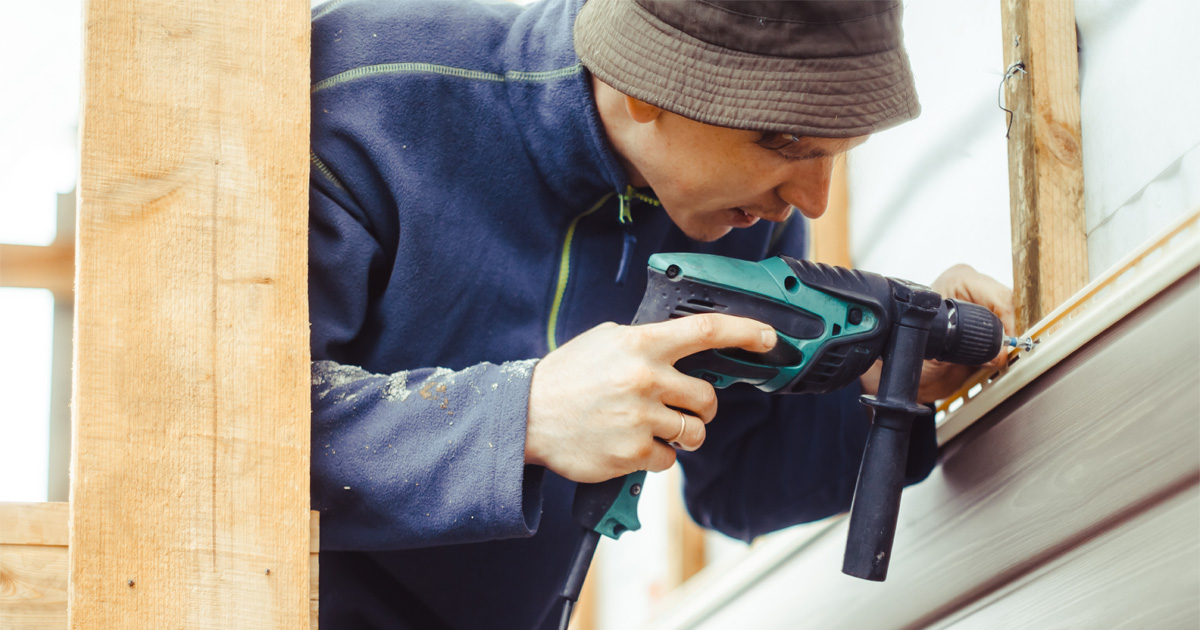
Whether you choose vinyl siding installation or fiber cement siding, the goal is to create a clean, even finish that protects your home and enhances its appearance.
When Installation May Not Be the Only Option
There are situations where a full replacement may not be necessary. If the damage is limited to certain areas, smaller repairs may be enough to restore protection.
In these cases, it can be helpful to look into options for siding repair before deciding on a full project. This approach can save time and reduce costs when the overall structure is still in good condition.
Understanding your options helps you make a decision that fits both your needs and your budget.
What to Expect After Installation
Once the installation is complete, your attention shifts to maintenance. Keeping your siding in good condition helps protect your investment and maintain your home’s appearance.
Regular cleaning and simple inspections can go a long way in preventing issues. For example, checking for small cracks or loose panels early can help you avoid more serious damage later.
Following a practical guide to maintaining your siding over time can make this process easier and more manageable.
How Long Does House Siding Installation Take
The time required for house siding installation depends on several factors. The size of your home, the type of materials used, and weather conditions all play a role.
Most projects take anywhere from a few days to a couple of weeks. Smaller homes can be completed faster, while larger or more complex projects may take longer.
Being prepared for possible delays helps you plan ahead and avoid unnecessary stress during the project.
Common Mistakes Homeowners Should Avoid
One of the most common mistakes is rushing the process. Skipping important steps like structural repairs or proper sealing can lead to long-term issues.
Another mistake is choosing materials without understanding how they perform in your environment. Some materials may require more maintenance, while others offer better durability.
It is also important to work with experienced professionals who understand the siding replacement steps and can handle unexpected challenges.
Taking the time to plan and understand the process helps you avoid these problems and ensures better results.
FAQs
The process includes inspection, removal of old materials, repairs, adding a protective barrier, and installing new siding panels.
Siding is installed by securing panels over a prepared surface, ensuring proper alignment and sealing.
Most projects take several days to a couple of weeks depending on the size and complexity.
In some cases, yes, but removing old siding is usually recommended to inspect for hidden damage.
You can expect some noise and activity, but most projects are completed efficiently with minimal disruption.
Conclusion
Understanding what happens during a siding project gives you a clearer picture of what to expect and helps you feel more prepared before getting started.
Each step, from inspection to final installation, plays an important role in protecting your home and improving its overall performance. When you understand the process, it becomes easier to make informed decisions and avoid common mistakes.
Understanding Your Next Step for a Siding Project
If you are thinking about upgrading your exterior, exploring available siding services can help you understand your options and choose an approach that fits your needs.
Disclaimer
This content is for informational purposes only and should not be considered professional construction advice. Every home and project is different, and results may vary depending on materials, conditions, and installation methods. Always consult a qualified professional before making decisions about your home improvement project.