- By Premium Siding & Painting Company
- Roofing
- 0 Comment
How Often Should You Schedule a Roof Inspection for Your Home?
You might be wondering how often you should schedule a roof inspection and whether it really matters. Your roof protects everything underneath it, but because it is out of sight, small issues can go unnoticed until they become expensive problems.
Here is what you need to know. Regular checks help you stay ahead of damage, extend the life of your roof, and avoid unexpected repairs. They also help you understand whether a problem can be fixed or if it may require more serious work. If you are unsure how to evaluate what you are seeing, it helps to understand how to decide between repairing your roof or replacing it entirely.
In this guide, you will learn how often evaluations are recommended, what affects the timing, and how to recognize early warning signs.
Why Regular Roof Inspections Matter
Your roof goes through constant exposure to changing weather, sunlight, debris, and temperature shifts. Over time, even durable materials begin to wear down. The challenge is that most damage starts small and is not obvious from the ground.
When you stay consistent with routine checks, you give yourself a better chance of catching problems early. This could be something as simple as a cracked shingle or a loose flashing area. While these issues may seem minor at first, they can quickly lead to leaks or structural damage if ignored.
Another reason regular evaluations matter is that they help you maintain your home’s overall condition. A damaged roof can affect insulation, increase energy costs, and even impact indoor air quality if moisture becomes trapped.
By taking a proactive approach, you reduce stress, avoid emergency repairs, and extend the lifespan of your roofing system.
How Often Should You Schedule a Roof Inspection
A common question homeowners ask is about how often roof inspection should be done. In most situations, once per year is a reliable guideline.
However, several factors can influence how often you should schedule an evaluation. One of the biggest factors is the age of your roof. Newer roofs typically require less frequent checks, while older ones benefit from more consistent monitoring.
If your roof is under 10 years old, checking it every one to two years may be enough. Once it reaches mid-life, annual evaluations become more important. For roofs over 15 years old, scheduling checks twice per year can help prevent small issues from turning into major repairs.
Weather is another important factor. After a strong storm, it is a good idea to have your roof looked at even if everything appears fine from the outside. Wind, hail, and heavy rain can cause damage that is not immediately visible.
What Happens During a Professional Evaluation?
If you have never had your roof evaluated before, you might be curious about what actually happens during the process.
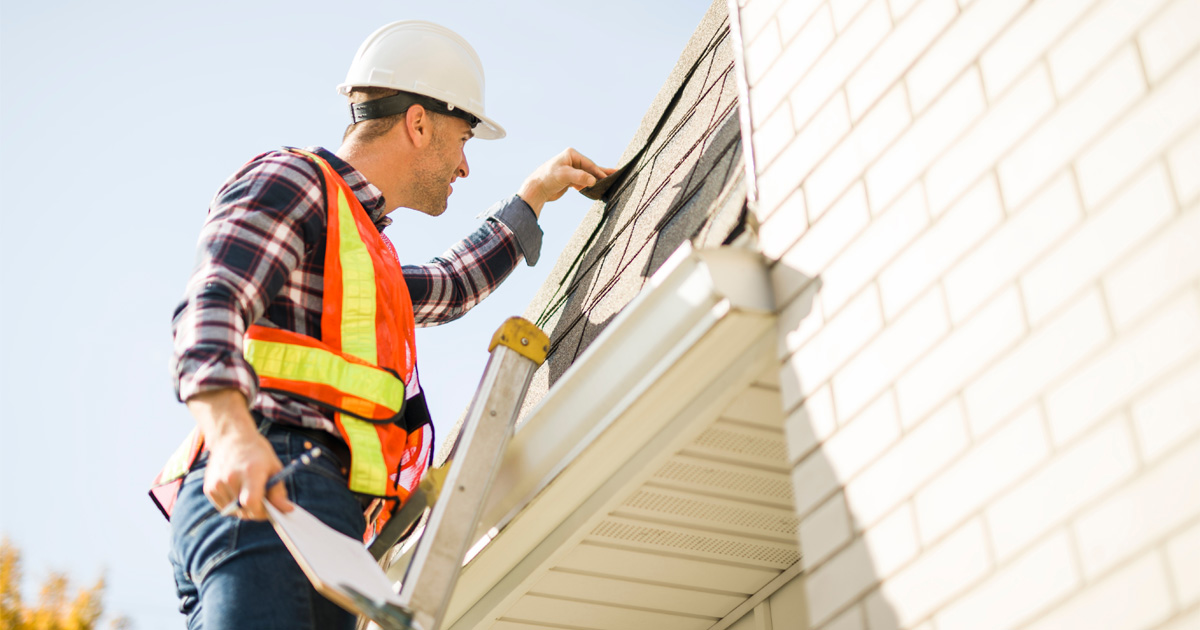
A professional evaluation is thorough and covers more than just what you can see from the outside. It includes checking the condition of shingles, flashing, vents, and drainage systems. Inspectors also look at how water flows off the roof and whether gutters are functioning properly.
Inside your home, the attic is also examined. This is where signs of moisture, insulation problems, or poor ventilation can often be detected early.
This type of evaluation provides a complete picture of your roof’s condition, helping you make informed decisions about maintenance or repairs.
Signs You Should Schedule One Right Away
Even if you stay on a regular schedule, there are times when you should not wait.
For example, if you notice water stains on your ceiling or walls, that could indicate a leak. Missing or curling shingles may suggest that materials are starting to fail. Sagging areas can point to structural concerns that need immediate attention.
Another common sign is the presence of moss or mold. These can trap moisture and lead to long-term damage if not addressed.
If you notice any of these issues, it is better to act sooner rather than later. Early action can often prevent the need for more extensive repairs. When problems are already present, reviewing roof repair options that help address common roofing issues before they worsen can give you a better understanding of possible solutions.
Best Time of Year to Schedule an Inspection
Timing can make a noticeable difference when it comes to maintaining your roof.
Spring is often a good time to check for damage caused by colder weather. Snow, ice, and freezing temperatures can create stress on roofing materials. A spring evaluation allows you to identify and fix these issues before they worsen.
Fall is another ideal time. Preparing your roof before the next season helps ensure it is ready for changing conditions.
By planning inspections during these periods, you give yourself a better chance of staying ahead of potential problems.
Understanding What Happens After Damage Is Found
Once an issue is identified, the next step is understanding what needs to be done.
Some problems can be addressed quickly with minor repairs. Others may require more planning depending on the severity of the damage.
Many homeowners want to know how long the process will take before moving forward. The timeline can vary, but having a general idea helps you prepare. If you are curious about what to expect, it can be helpful to review how long a roof replacement typically takes from start to finish.
Knowing the timeline can make the process feel more manageable and less overwhelming.
Cost Considerations and What Affects Them
The cost of evaluating your roof depends on several factors.
The size and layout of your roof play a big role. Larger or more complex roofs require more time to assess. Accessibility is another factor. Steeper roofs or those with limited access may require additional care during evaluation.
The level of detail involved also affects cost. A basic check may be straightforward, while a more detailed assessment takes more time and effort.
Understanding these factors helps you set expectations and avoid surprises.
Simple Maintenance Habits That Make a Difference
Between scheduled evaluations, there are simple things you can do to help protect your roof.
Keeping gutters clean is one of the most effective steps. When gutters are blocked, water can back up and cause damage. Removing debris from the roof also reduces unnecessary stress on materials.
Trimming nearby tree branches can help prevent damage during storms. It also reduces the amount of debris that collects on your roof.
Checking your attic occasionally is another helpful habit. If you notice moisture or poor ventilation, addressing it early can prevent bigger issues.
Common Mistakes to Avoid
Many roofing problems develop because small issues are overlooked.
One common mistake is waiting too long to address minor damage. What starts as a small leak can quickly turn into a larger repair.
Another mistake is attempting repairs without proper knowledge. This can lead to more damage or safety risks.
Staying consistent with maintenance and scheduling regular evaluations helps you avoid these situations and keeps your roof in better condition.
FAQs
Most evaluations take between 30 minutes to a few hours depending on the size and condition of your roof.
If you notice leaks, visible damage, or signs of aging, it is a good idea to schedule an evaluation.
At least once per year, with additional checks after storms or as your roof ages.
It includes reviewing materials, structure, drainage, and interior areas for signs of wear or damage.
Yes. Early detection and maintenance help extend the life of your roofing system.
Stay Ahead of Roofing Problems Before They Get Expensive
Keeping up with regular checks is one of the simplest ways to protect your home. When you stay consistent, you reduce the risk of unexpected repairs and gain confidence in your roof’s condition.
If you want to better understand long term care and maintenance, you can explore roofing services that help keep your roof in good condition over time.
Disclaimer
This content is for informational purposes only and should not be considered professional advice. Roofing conditions vary, and inspections or repairs should always be handled by qualified professionals.