
- By Premium Siding & Painting Company
- Siding
- 0 Comment
Damaged Siding Repair: Can It Be Fixed or Does It Need to Be Replaced?
If you’re seeing cracks, warping, or loose panels on your home, you’re probably wondering whether damaged siding repair is enough to fix the issue or if replacing everything is the better long-term solution. This question matters because siding plays a key role in protecting your home from moisture, weather exposure, and structural damage.
The challenge is that not all siding problems are obvious. Some stay on the surface, while others develop underneath over time. If you’re unsure what to look for, it helps to understand the early indicators that siding damage is getting worse so you can catch issues before they become more serious.
In this guide, you’ll learn how to tell the difference between repair and replacement, what factors to consider, and how to make a smart decision for your home.
What Are the Early Signs Your Siding Is Failing?
You might be wondering how to know if siding needs replacement or if the issue is still manageable. In many cases, siding shows warning signs early, but they are easy to overlook if you are not actively checking.
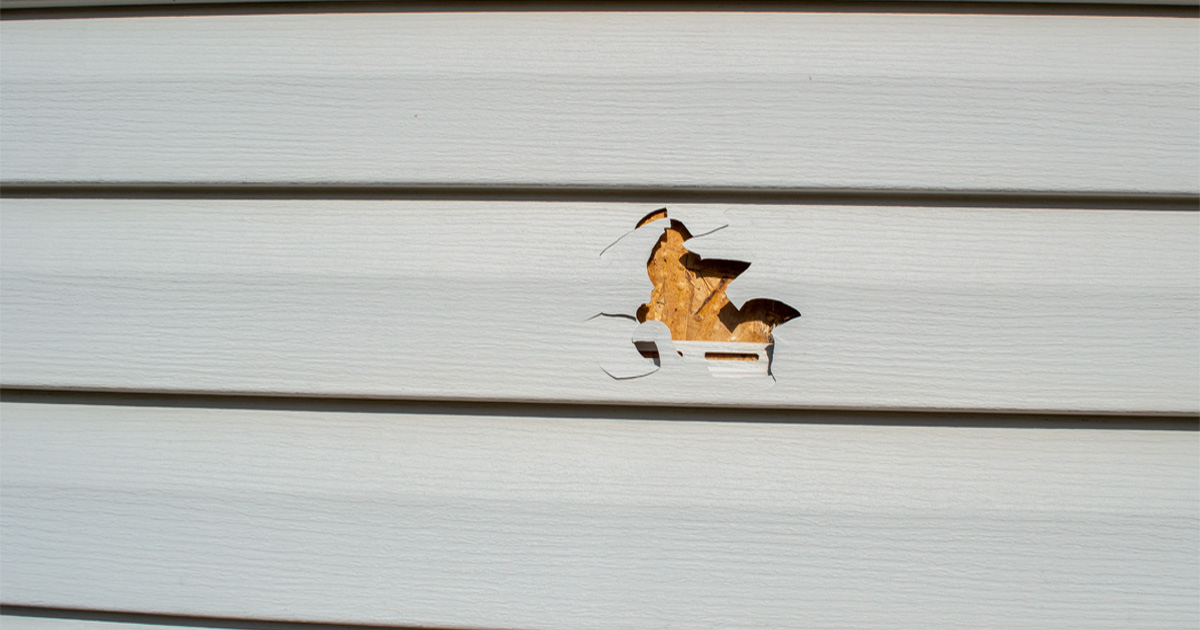
Cracked siding panels are often the first visible issue. While they may seem minor, they can allow moisture to enter behind the surface. Over time, this can lead to mold under siding or structural problems inside your walls.
Warped siding is another common issue, usually caused by heat or trapped moisture. When siding begins to warp, it no longer seals your home properly. Loose siding boards can also appear after storms, creating openings where water and debris can enter.
Even fading or discoloration can signal that the material is breaking down and losing its ability to protect your home.
When Repairs Make Sense for Your Home
In many situations, repair is the most practical option, especially when the damage is limited to a small area.
If only a few panels are affected, fixing those sections can restore your home’s exterior without the need for full replacement. This is common with minor cracks, isolated warping, or small areas of exterior siding damage.
Another important factor is the overall condition of your siding. If most of it is still structurally sound, targeted repairs can extend its lifespan and delay larger expenses.
Repairs are also more effective when there are no signs of water damage behind siding. Once moisture becomes an issue, more extensive work may be required.
Damaged Siding Repair: When It Makes Sense
There are situations where repair is not just possible, but the most efficient solution.
When damage is clearly contained in one area and the surrounding siding remains intact, repairs can restore both function and appearance without unnecessary cost. This is especially true for homes that have newer siding or have been well maintained over time.
This approach works because siding systems are built in sections. Replacing only what is damaged allows you to preserve the rest of your exterior while still fixing the problem.
However, it is important to make sure there are no hidden issues underneath. A proper inspection helps confirm that repairs will hold up long term.
Siding Repair vs Replacement: How to Decide
Choosing between siding repair vs replacement depends on more than just what you can see.
One of the biggest factors is how widespread the damage is. If the issue is isolated, repairs are usually enough. If multiple sections are affected, replacement may be the better long-term solution.
Age is another important consideration. Older siding materials tend to wear down and become more prone to damage. Understanding how long different siding materials typically last in real conditions can help you decide whether continued repairs make sense.
You should also consider how often repairs are needed. If problems keep coming back, the cost of repeated fixes can quickly add up.
What Affects Siding Damage Repair Cost?
Siding damage repair cost varies depending on several factors, and knowing what influences pricing can help you plan ahead.
The size of the damaged area is one of the biggest factors. Smaller repairs are more affordable, while larger areas require more materials and labor.
The type of siding also plays a role. Some materials are easier to repair, while others require more specialized work.
Hidden issues can also impact cost. If moisture or mold is present, additional steps are needed before repairs can be completed properly.
What Happens If You Delay Repairs?
Waiting too long to address siding damage can lead to more serious problems.
When exterior siding damage is ignored, water can begin to enter your home. This can lead to mold growth, insulation damage, and even structural issues.
Small cracks can expand, and loose panels can create larger openings over time. What starts as a minor issue can quickly turn into a more expensive repair.
This happens because siding acts as a protective barrier. Once it is compromised, your home becomes more exposed to outside elements.
Can You Repair Siding Yourself?
You might be thinking about handling repairs on your own, especially if the damage appears minor.
While small fixes may seem manageable, siding repair often requires more experience than expected. DIY work can address surface issues but miss problems underneath.
For example, sealing a crack without fixing moisture inside the wall can lead to further damage later.
Professional repairs focus on both the visible damage and the underlying structure, helping ensure the repair lasts.
How to Prevent Future Siding Problems
Taking care of your siding can help prevent future issues and extend its lifespan.
Regular inspections allow you to catch small problems early. Checking your siding after storms or extreme weather can help you spot damage before it spreads.
Keeping your siding clean also helps maintain its condition. Dirt and debris can contribute to long-term wear if left untreated.
Addressing minor issues early can prevent them from turning into larger repairs.
What Should You Do Next If You Notice Siding Damage?
If you are dealing with visible siding issues, the next step is understanding what your home actually needs. The right approach depends on how extensive the damage is and whether repairs will hold up over time.
If you want a clearer understanding of your options, exploring getting professional help to fix damaged siding can help you see what solutions are available based on your situation.
FAQs
Yes, repairs are often enough when damage is limited and the rest of the siding is still in good condition.
If damage is widespread, recurring, or involves moisture, replacement may be the better option.
Costs vary depending on the size of the damage, materials, and whether hidden issues are present.
It depends on the extent of the damage and long-term cost considerations.
Repairs can last for years when done correctly and if the surrounding siding is still in good condition.
Need Help Understanding Your Siding Options?
If you are still unsure whether repair or replacement is the right move, that is completely normal. Every home is different, and siding conditions can vary more than most people expect.
Learning more about professional siding services can help you understand what options are available and what to expect moving forward.
Disclaimer
This content is for informational purposes only and should not be considered professional construction advice. Every home is different, and siding conditions can vary. A proper inspection is recommended to determine the best solution for your situation.