
What Are Asphalt Shingles Made Of and How Do They Protect Your Roof?
What Are Asphalt Shingles Made Of and How Do They Protect Your Roof?
Table of Contents
- 1. What Are Asphalt Shingles Made Of?
- 2. Understanding Asphalt Shingle Materials
- 3. How Asphalt Shingle Layers Work Together
- 4. How Asphalt Shingle Composition Supports Roof Protection
- 5. What Can Affect the Protective Surface of Shingles?
- 6. Frequently Asked Questions
- 7. Key Takeaways
- 8. Understanding Your Roofing Options
- 9. Disclaimer
Have you ever looked at your roof and wondered what is actually inside each shingle? Asphalt shingle composition is more complex than it may appear from the ground. A typical shingle combines several materials that work together to create a durable roof covering that helps manage rain, sunlight, wind, and everyday weather exposure.
Understanding those materials can help you see why shingles are more than decorative pieces laid across a roof. Their construction affects how they perform, age, and interact with the rest of the roofing system. It can also make it easier to compare your roofing material options when you are considering what may work well for your home.
In this guide, you will learn what goes into an asphalt shingle, what each layer does, and how those components work together to help protect the structure underneath.
1. What Are Asphalt Shingles Made Of?
At first glance, an asphalt shingle may look like a relatively simple roofing product. Pick one up, however, and you are looking at several materials combined into one protective component.
Modern shingles generally start with a reinforcing base. That base gives the shingle its shape and provides a foundation for the materials added during manufacturing. Asphalt is then incorporated into the product to help create a durable barrier against moisture and weather.
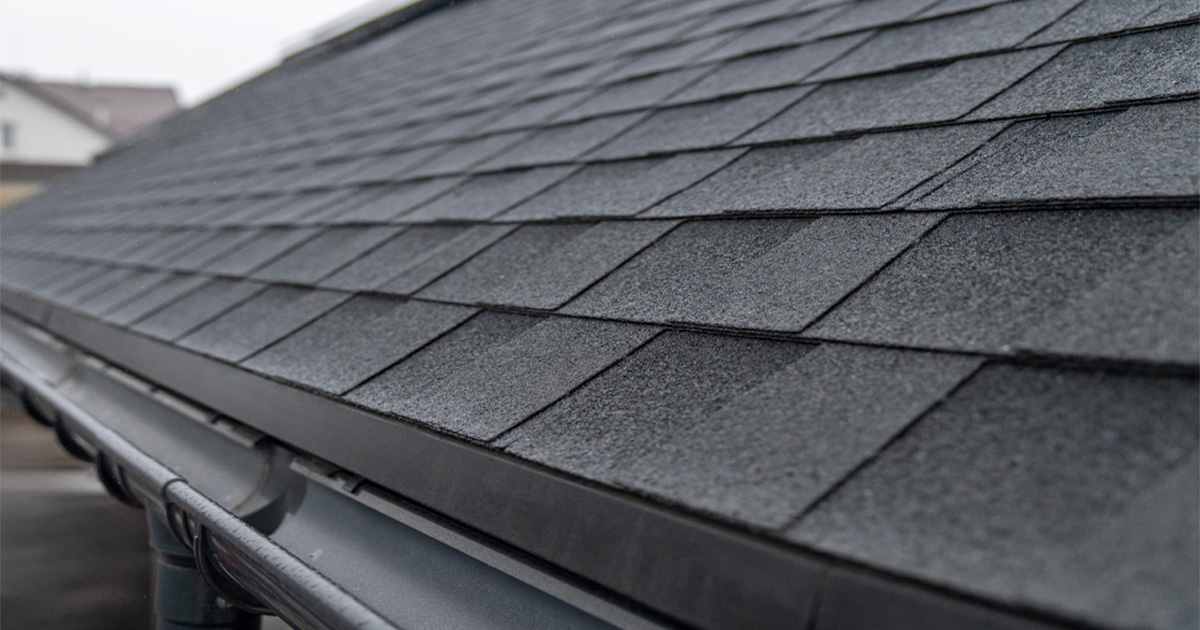
The visible surface contains mineral granules. These small particles are responsible for much of the color and texture you see when looking at a finished roof. More importantly, they help protect the material underneath from direct exposure to sunlight and everyday weather.
The underside also plays an important role. Shingles are designed so individual pieces can be installed in overlapping rows. Depending on the product and installation, adhesive areas can help shingles seal together after installation.
Instead of thinking about a shingle as one solid material, it is more accurate to picture it as a carefully constructed roofing component with several parts performing different jobs.
The important thing to remember is that no single ingredient provides all of the protection. The materials work together as a system.
That helps explain why visible surface damage does not always tell you everything about the condition of a shingle. Different parts can experience wear differently as the roof ages.
2. Understanding Asphalt Shingle Materials
The main asphalt shingle materials each have a particular purpose. Understanding those components makes it easier to see why changing or damaging one part of the shingle can affect how the product performs.
Fiberglass Mat
Many modern residential shingles use a fiberglass mat as their reinforcing base. The mat is thin, but it provides structure and helps hold the other materials together.
You normally cannot see this reinforcement on an installed roof because it sits inside the finished product. Still, it provides the foundation around which the shingle is built.
This is also where the term fiberglass asphalt shingles comes from. It does not mean the roof surface consists only of fiberglass. Instead, fiberglass is part of the internal construction.
Asphalt Coating
The reinforcing mat is combined with an asphalt-based coating. This component contributes to the shingle’s ability to resist moisture while giving the product additional body and durability.
The asphalt coating is not normally exposed as the finished upper surface because another protective material sits above it.
Mineral Granules
Those small, rough particles you can see and feel on the top of a shingle are mineral granules.
They give shingles their finished appearance and provide a protective surface over the asphalt underneath. Roofing granules are available in different shades, which allows manufacturers to create a wide range of roof colors and visual styles.
You may occasionally notice loose granules in gutters or around downspouts. A small amount does not automatically tell you that a roof needs replacement. The amount, age of the roof, surrounding conditions, and overall condition of the shingles all matter when evaluating what that granule loss means.
3. How Asphalt Shingle Layers Work Together
Understanding asphalt shingle layers becomes easier when you stop thinking about each material separately and consider what happens when they are combined.
The fiberglass mat provides reinforcement. The asphalt component contributes moisture resistance and durability. Mineral granules create the exposed protective surface. Together, these components form a shingle that can be installed as part of a larger roofing system.
But there is another type of layering that matters just as much.
Individual shingles are installed in overlapping courses. Water moving down a properly sloped roof travels across one row and onto the next as it moves toward the roof edge. This arrangement helps the roof shed water instead of relying on every shingle to function as an isolated waterproof panel.
That distinction is important. Roof shingles are designed primarily to shed water as part of a complete system.
Other components beneath and around them provide additional protection. The roof deck creates the structural surface. Underlayment adds another protective layer beneath the finished roofing material. Flashing helps manage water around vulnerable transitions and penetrations.
This is why looking only at the visible shingles can give you an incomplete picture of roof condition.
If you notice damage or are unsure how the different components are performing together, getting professional help with your roof can provide a clearer understanding of the system’s overall condition.
4. How Asphalt Shingle Composition Supports Roof Protection
A shingle has to deal with more than rain. The exposed roof surface regularly encounters sunlight, temperature changes, wind, falling debris, and other environmental conditions.
Its construction helps it manage those challenges in several ways.
The outer granule surface helps shield the asphalt beneath it from direct sunlight. The asphalt-containing portion contributes to moisture resistance. The reinforcing mat helps give the shingle structure. The overlapping installation pattern then helps guide rainwater toward the roof edge.
This works because the shingle is not expected to perform alone.
Imagine rain falling onto a sloped roof. Water first contacts the granulated surface. Gravity carries it downward across overlapping rows. Properly installed flashing helps redirect water around roof penetrations and transitions, while gutters eventually move runoff away from the roof edge.
The layers beneath the shingles provide another level of protection if moisture gets past the primary roof covering.
Why Installation Details Matter During High Winds
The materials inside a shingle are only part of its performance. Product design, fastening, starter strips, surrounding roofing components, and installation details can also influence how a roofing system is designed to handle wind.
For a measurable example, GAF’s residential roofing warranty information lists maximum wind-speed coverage of 130 mph with specified special installation for qualifying shingles. For GAF LayerLock-labeled shingles, that special installation calls for four nails per shingle plus GAF starter strip products at the eaves and rakes. Other qualifying GAF shingles may require six nails per shingle for the stated special-installation coverage.
GAF also offers its WindProven Limited Wind Warranty with no maximum wind-speed limitation for qualifying LayerLock shingles when the required GAF roofing-system components and installation conditions are met.
These figures are a manufacturer-specific example, not a universal installation rule for every asphalt shingle. Different products can have different fastening patterns, installation instructions, wind ratings, and warranty requirements. That is why the instructions for the specific roofing product being installed matter.
The main takeaway is that roof performance depends on both the roofing materials and how the complete system is installed.
Water Resistance Is Not the Same as a Completely Waterproof Roof
This distinction can sometimes cause confusion.
Shingles contribute to water resistance by helping shed rain away from the structure. But penetrations, edges, valleys, flashing, underlayment, ventilation, and installation details also influence how effectively the entire roof manages moisture.
For example, a shingle itself could appear relatively normal while a nearby flashing detail develops a problem. Similarly, damaged shingles may expose underlying components even though other areas of the roof remain in good condition.
Your roof’s protection depends on the way all of its components work together, not simply on the condition of one material.
5. What Can Affect the Protective Surface of Shingles?
The surface of a shingle spends its entire service life exposed to the outdoors. Naturally, that means its condition can change over time.
Sunlight is one factor. The mineral surface helps protect the underlying material, but years of exposure can still contribute to gradual aging.
Wind can also place stress on shingles, particularly around edges or areas where materials are already loose or damaged. Severe weather may create more noticeable problems, while ordinary seasonal conditions tend to cause gradual wear.
Physical contact matters too. Falling branches, debris, foot traffic, or other impacts can damage the surface or loosen granules.
Moisture and organic debris may also affect certain roof areas. Leaves and other material can collect in valleys, behind roof features, or near drainage areas. Keeping these areas clear helps water move away more freely.
What Should You Watch For?
You do not need to climb onto your roof to keep an eye on its general condition. In fact, staying on the ground is usually the safer approach for routine observations.
Signs worth paying attention to can include:
- shingles that appear missing, lifted, cracked, or visibly damaged
- unusual amounts of loose roofing granules around drainage areas
- debris collecting heavily on portions of the roof
- visible changes following strong winds or severe weather
- interior water stains or other possible signs of moisture intrusion
None of these observations automatically identifies the underlying cause. They simply provide a reason to look more closely.
Routine care can also make developing problems easier to catch. Learning how regular roof maintenance supports long-term performance can help you understand which simple habits may help preserve the condition of the overall roofing system.
Frequently Asked Questions
What are asphalt shingles made from?
Most modern asphalt roof shingles combine a reinforcing fiberglass mat, an asphalt-based coating, and a surface of mineral granules. Additional materials may be incorporated depending on the specific product.
Each component has a different purpose. The reinforcement provides structure, the asphalt contributes to moisture resistance, and the surface granules help protect the material underneath while providing the shingle’s visible color and texture.
Why do asphalt shingles have granules?
Mineral granules form the exposed surface of many asphalt shingles. They help shield the underlying asphalt from direct sunlight and contribute to the finished appearance of the roof.
Some loose granules can appear over time, but the context matters. Roof age, weather exposure, recent installation, physical damage, and the overall condition of the shingles can all influence what you observe.
Are asphalt shingles waterproof?
It is more useful to think of shingles as part of a water-shedding and water-resistant roofing system rather than as a completely waterproof surface by themselves.
Their overlapping installation helps direct rain toward the edge of a sloped roof. Underlayment, flashing, roof penetrations, drainage, and proper installation all contribute to controlling moisture and protecting the structure below.
What is the fiberglass layer inside a shingle?
The fiberglass mat is the reinforcing base used in many modern asphalt shingles. It provides a stable foundation for the other materials that make up the finished product.
You generally do not see this layer once the shingle is manufactured and installed, but it is an important part of the shingle’s internal structure.
Do all asphalt shingles have the same construction?
No. Products can vary in thickness, shape, appearance, manufacturing design, and other characteristics.
For example, 3-tab and architectural shingles can look and feel quite different even though both belong to the broader asphalt-shingle category. This is one reason it helps to look at the complete product rather than assuming every asphalt roof uses identical materials.
Key Takeaways
Asphalt shingles may look simple from the ground, but several components work together inside each finished product.
- A reinforcing mat provides the structural foundation for many modern shingles.
- Asphalt contributes to moisture resistance and helps form the body of the shingle.
- Mineral granules protect the exposed surface and contribute to its appearance.
- Overlapping rows help guide rainwater down a sloped roof.
- Shingles work with underlayment, flashing, decking, drainage, and other roofing components.
- Surface wear does not always reveal the condition of the entire roofing system.
The biggest takeaway is simple: your shingles are one important part of a larger protective system. Understanding how they are built makes it easier to understand why proper installation, maintenance, and attention to the entire roof matter.
Understanding Your Roofing Options
Knowing what is inside an asphalt shingle gives you useful context when you are comparing materials, looking at an existing roof, or trying to understand why a roofing professional is discussing certain components with you.
You do not need to become a roofing expert. Understanding the basic roles of the reinforcing mat, asphalt, surface granules, overlapping courses, and supporting roof components can simply help you ask better questions and make more informed decisions about your home.
If you have questions about your current roofing system or are considering future improvements, professional roofing services can help you better understand the available options based on your roof’s design, materials, age, and current condition.
Disclaimer
This article is intended for general informational and educational purposes only. It should not be considered professional construction, engineering, insurance, financial, or legal advice. Roofing materials, installation methods, product specifications, and roof conditions can vary between properties. The performance and condition of a roofing system may also depend on factors such as installation quality, age, maintenance history, roof design, and weather exposure. A qualified roofing professional should evaluate your property before you make decisions about repairs, replacement, materials, or other roofing work.