What Causes Asphalt Shingles to Curl or Crack?
What Causes Asphalt Shingles to Curl or Crack?
Table of Contents
- 1. Why Curling and Cracking Shingles Matter
- 2. The Most Common Causes of Shingle Damage
- 3. How Heat and UV Exposure Affect Asphalt Shingle Roofing
- 4. Why Roof Ventilation Matters More Than Most Homeowners Realize
- 5. Storm Damage and Weather-Related Roofing Problems
- 6. Can Poor Installation Cause Shingle Damage?
- 7. Warning Signs You Should Not Ignore
- 8. How to Help Your Roof Last Longer
- 9. FAQ
- 10. Key Takeaways
- 11. Understanding Roofing Problems Before They Get Worse
- 12. Disclaimer
If you have started noticing curling edges, cracked surfaces, or brittle sections across your roof, you are not alone. These are some of the most common roofing problems homeowners experience as roofs age. In many cases, asphalt shingle roofing problems develop gradually because of heat exposure, moisture buildup, poor ventilation, or severe weather conditions that slowly weaken roofing materials over time.
At first, curling or cracked shingles may seem like a cosmetic issue. However, even small areas of damage can eventually allow moisture to penetrate beneath the roofing system and contribute to roof leaks, structural deterioration, or expensive repairs later on. Understanding what causes shingles to curl or crack can help you identify early warning signs before the damage spreads further across the roof.
In some situations, visible shingle damage may also indicate larger roofing concerns. Learning to recognize warning signs that a roof may need replacement can help you better understand whether the problem is isolated or part of a more serious roofing issue.
1. Why Curling and Cracking Shingles Matter
Roof shingles protect your home from rain, moisture, UV exposure, and changing weather conditions throughout the year. Once shingles begin curling or cracking, the roof becomes more vulnerable to water intrusion and long-term structural damage.
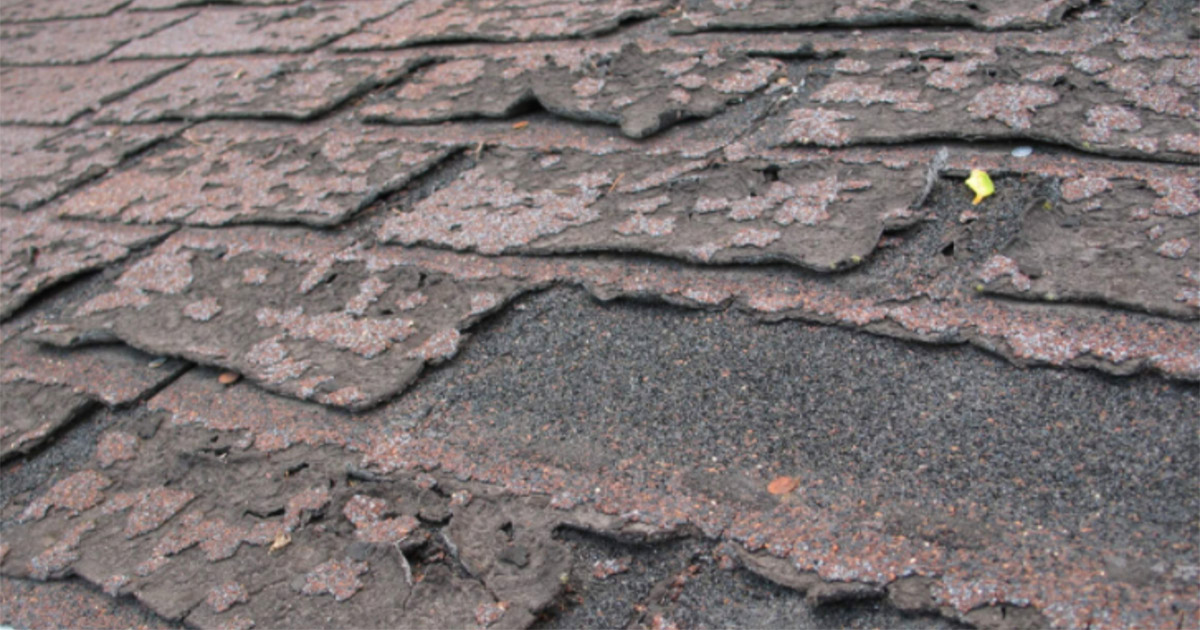
Curling shingles usually appear when the edges begin lifting upward or downward. Cracked shingles often develop after roofing materials lose flexibility and become brittle with age. While these problems may initially affect only a small section of the roof, deterioration can spread gradually if the underlying cause is not addressed.
You might be wondering whether every cracked shingle automatically means the roof needs replacement. The answer depends on several factors, including the age of the roof, the severity of the damage, and whether moisture has already penetrated beneath the roofing system.
In some homes, isolated areas of damage may only require repairs. In other cases, widespread curling or recurring roof leaks may point to larger structural concerns beneath the shingles. This is why homeowners should not ignore early signs of roofing deterioration even if the damage initially appears minor.
Another important thing to understand is that roofing damage rarely develops because of one single issue. Most roofing systems experience a combination of weather exposure, aging materials, moisture buildup, and ventilation problems that gradually weaken the shingles over time.
2. The Most Common Causes of Shingle Damage
Aging Roofing Materials
One of the biggest causes of shingle deterioration is simple aging. Asphalt roofing shingles naturally lose flexibility over time because they remain exposed to sunlight, weather, and temperature changes year after year.
As roofing materials age, they may:
- dry out
- lose protective granules
- become brittle
- crack during temperature changes
- curl along the edges
Older residential asphalt roofing systems often experience gradual wear that homeowners do not notice immediately. By the time visible cracking appears, the roof may already be experiencing deeper deterioration beneath the surface.
Roofing lifespan can vary depending on climate exposure, installation quality, attic ventilation, and maintenance history. Homes exposed to long periods of direct sunlight often experience faster roofing deterioration because UV exposure slowly weakens the materials protecting the shingles.
Moisture Buildup
Moisture damage is another major cause of curling shingles. Water intrusion can gradually weaken roofing materials and damage the roof underlayment underneath the shingles.
Moisture problems often develop because of:
- clogged gutters
- poor drainage
- damaged flashing
- trapped attic humidity
- unresolved roof leaks
This works because trapped moisture slowly affects the structure beneath the shingles, causing warping, lifting, and long-term deterioration. Once moisture begins penetrating beneath the roofing system, the problem may continue spreading if repairs are delayed.
Moisture buildup may also create hidden structural problems that homeowners cannot easily see from the ground. In some situations, roof leaks may travel beneath the shingles before becoming visible inside the home.
Lack of Roofing Maintenance
Roofing systems require periodic inspections and maintenance to help prevent small problems from becoming larger repairs. Missing shingles, damaged flashing, and clogged gutters may not seem serious initially, but they can eventually contribute to significant roofing deterioration.
Routine roofing maintenance may help identify:
- moisture damage
- ventilation concerns
- loose shingles
- storm-related damage
- weakened roofing materials
Many homeowners only notice roofing problems after visible cracking or curling appears, even though the underlying issues may have started years earlier.
3. How Heat and UV Exposure Affect Asphalt Shingle Roofing
Heat exposure is one of the leading causes of roofing deterioration, especially in regions that experience long summers and prolonged direct sunlight. Roof surfaces absorb substantial heat throughout the day, and constant UV exposure gradually weakens roofing materials over time.
Asphalt-based shingles contain oils that help maintain flexibility. As those oils break down because of prolonged UV exposure, shingles become brittle and more susceptible to cracking.
Common heat-related roofing problems include:
- curling shingles
- granule loss
- brittle roof shingles
- surface cracking
- fading roofing materials
- reduced weather resistance
You may notice that some roofs deteriorate faster than others even when they were installed around the same time. Several factors influence roofing durability, including attic ventilation, roof orientation, climate exposure, and the quality of the roofing materials used during installation.
Some homeowners assume roofing materials fail only because of age, but excessive heat can shorten the lifespan of shingles much earlier than expected. Repeated temperature changes also create expansion and contraction cycles that place additional stress on the roof system.
Direct sunlight may also weaken adhesives beneath the shingles, especially during long periods of extreme heat. Over time, weakened adhesive seals may make shingles more vulnerable to lifting during strong winds or storms.
Homeowners unsure whether roof damage is related to aging may benefit from learning more about the typical lifespan of asphalt shingles and how roofing systems naturally wear down over time.
4. Why Roof Ventilation Matters More Than Most Homeowners Realize
Many homeowners focus only on the exterior condition of the roof while overlooking the importance of attic ventilation. However, proper roof ventilation plays a major role in protecting roofing materials from premature deterioration.
Roof ventilation helps regulate attic temperatures and control moisture levels beneath the roofing system. Without balanced airflow, excessive heat and trapped humidity may build up inside the attic and place additional stress on roofing materials.
Poor ventilation may contribute to:
- excessive attic heat
- trapped condensation
- moisture buildup
- shortened roofing lifespan
- weakened roof underlayment
- curling shingles near roof ridges
This problem often develops gradually. In many homes, poor airflow slowly damages roofing materials for years before homeowners notice visible cracking or lifting shingles.
Seasonal temperature changes may also worsen the problem. Roofing materials naturally expand during hot weather and contract during colder temperatures. Over time, repeated expansion and contraction may stress the shingles enough to create cracks or lifting edges.
Poor ventilation may also affect energy efficiency inside the home. Excessive attic heat can increase indoor temperatures and force cooling systems to work harder during warmer months.
In colder seasons, trapped attic moisture may create condensation that slowly damages insulation, roof decking, and ventilation systems. This is one reason proper airflow remains important throughout the entire year rather than only during summer months.
5. Storm Damage and Weather-Related Roofing Problems
Storm damage is another major reason shingles curl or crack. Wind, hail, heavy rain, and rapid temperature shifts may gradually weaken roofing systems even if the damage is not immediately visible from the ground.
After severe weather, homeowners sometimes notice:
- cracked shingles
- lifted shingle edges
- loose roofing materials
- granule buildup in gutters
- hidden roof leaks
- moisture intrusion
Hail-resistant shingles may reduce some impact damage, but no roofing material is completely immune to severe weather exposure.
One common mistake homeowners make is waiting too long after storms before scheduling a roof inspection. Minor cracks may initially appear harmless, but water intrusion can gradually spread beneath the roofing system and contribute to larger structural problems later on.
Storm-related moisture damage may also affect attic insulation, ventilation systems, and interior ceilings if leaks remain undetected for too long. In some cases, roofing damage may not become visible until weeks or months after severe weather has already passed.
Strong wind may also loosen shingles without completely removing them from the roof. Over time, slightly lifted shingles become more vulnerable to moisture intrusion and additional weather-related deterioration.
6. Can Poor Installation Cause Shingle Damage?
Yes, installation quality can significantly affect how long a roof lasts. Even high-quality roofing materials may fail prematurely if asphalt shingle roof installation is not completed correctly.
Some common installation-related issues include:
- improper nail placement
- uneven shingle alignment
- inadequate flashing
- poor ventilation planning
- low-quality roof underlayment
- incorrect spacing
For example, nails driven too tightly may restrict the natural expansion and contraction of roofing materials during temperature changes. Over time, this stress may contribute to curling shingles or cracked surfaces.
Improper repairs can also shorten the lifespan of asphalt shingle roof repair work if damaged sections are not properly sealed or reinforced. In some situations, repeated repairs may temporarily cover the symptoms while underlying ventilation or moisture issues continue affecting the roof.
Installation quality matters because even durable roofing materials depend on proper support systems, ventilation design, and moisture protection to perform correctly over the long term.
Some homeowners also experience premature roof deterioration because older roofing materials were installed over damaged decking or aging underlayment that was never properly replaced during previous roofing work.
7. Warning Signs You Should Not Ignore
Roofing problems often develop gradually, which makes early warning signs easy to overlook. Paying attention to visible changes across the roof may help prevent more serious structural damage later.
Signs that deserve attention include:
- curling roof shingles
- cracked surfaces
- granule loss
- recurring roof leaks
- sagging roof sections
- moisture stains inside the home
- uneven roof lines
You might also notice rising energy bills if attic ventilation problems are contributing to excessive indoor heat.
In some cases, isolated damage may only require repairs. However, widespread deterioration across multiple sections of the roof could indicate more serious roofing problems beneath the surface.
Homeowners dealing with recurring roofing issues may also want to explore roof repair and replacement solutions available if visible damage continues spreading across the roofing system.
Another important warning sign involves repeated repairs in the same area of the roof. If shingles continue cracking or leaking despite previous repair work, the roof may be dealing with larger moisture or ventilation problems underneath the surface.
8. How to Help Your Roof Last Longer
Although all roofing systems eventually age, regular maintenance may help reduce premature deterioration and extend roofing lifespan.
Helpful maintenance practices include:
- scheduling regular roof inspection
- cleaning gutters regularly
- monitoring attic ventilation
- addressing roof leaks quickly
- replacing damaged shingles promptly
- inspecting the roof after major storms
Preventive maintenance often allows homeowners to identify small roofing concerns before they become significantly more expensive structural problems.
Roof inspections may also help identify hidden moisture damage, weak flashing areas, and ventilation concerns that are difficult to notice from the ground. Regular inspections become even more important as roofing systems grow older and become more vulnerable to weather-related deterioration.
Keeping nearby tree branches trimmed may also help reduce roof damage caused by falling limbs, trapped debris, and excessive moisture accumulation on the roof surface.
9. FAQ
Why do shingles curl as they get older?
As shingles age, they gradually lose flexibility because of long-term UV exposure, heat, and weather-related wear. Once roofing materials become brittle, the edges may begin curling upward or downward during temperature changes. Poor attic ventilation and trapped heat may accelerate the process by placing additional stress on the roofing system over time.
Can cracked shingles lead to roof leaks?
Yes, cracked shingles may eventually allow water to penetrate beneath the roofing system and reach the roof underlayment underneath. Even small cracks can contribute to moisture intrusion if the damage is ignored for too long. Over time, this may lead to roof leaks, mold growth, weakened decking, or interior water damage inside the home.
Does poor roof ventilation damage roofing systems?
Poor roof ventilation may trap excessive heat and moisture beneath the roof, which can shorten roofing lifespan and increase the risk of curling shingles or cracked surfaces. Balanced airflow helps regulate attic temperatures and reduce condensation buildup that may weaken roofing materials over time. Many homeowners do not realize ventilation problems exist until visible roof damage begins appearing.
How often should homeowners schedule a roof inspection?
Most homeowners should schedule a roof inspection at least once per year and after major storms or hail events. Regular inspections may help identify hidden moisture damage, weakened roofing materials, cracked shingles, and ventilation concerns before repairs become more expensive. Preventive inspections also help monitor the overall condition of aging roofing systems.
Can damaged shingles be repaired without replacing the entire roof?
In some situations, isolated asphalt shingle roof repair may resolve minor damage if the rest of the roofing system remains in good condition. However, widespread deterioration, recurring roof leaks, or structural concerns beneath the shingles may require more extensive repairs or replacement. A professional inspection can help determine whether repairs are likely to provide a long-term solution.
Key Takeaways
Curling or cracked shingles are usually signs that roofing materials are experiencing stress from heat, moisture, aging, ventilation problems, or severe weather exposure. While some deterioration happens naturally over time, poor ventilation, trapped moisture, and installation issues can accelerate the process significantly.
Understanding what causes roofing materials to fail can help you recognize warning signs earlier and make informed decisions about inspections, maintenance, and repairs. Small roofing issues may eventually develop into larger structural concerns if they are ignored for too long.
Regular roof inspections, proper attic ventilation, and timely repairs may help reduce the likelihood of widespread roofing deterioration later on.
Understanding Roofing Problems Before They Get Worse
Curling or cracked shingles are often early signs that a roof is experiencing stress from heat exposure, moisture buildup, aging materials, or weather-related wear. While some roofing deterioration occurs naturally over time, ignoring visible damage may allow larger structural problems to develop beneath the surface.
Learning more about professional roofing services may help you better understand your options if you are dealing with recurring roof leaks, storm damage, or widespread shingle deterioration. Regular inspections and timely maintenance can often help homeowners address small roofing concerns before they become more expensive structural repairs.
Disclaimer
This blog is intended for general informational and educational purposes only. Roofing conditions vary depending on roof age, installation quality, ventilation, climate exposure, and maintenance history. Information provided in this article should not be interpreted as professional roofing inspection advice or guaranteed repair guidance. Individual roofing systems may require in-person evaluation to determine the most appropriate solution.