- By Premium Siding & Painting Company
- Roofing
- 0 Comment
What Are the Signs You Need a New Asphalt Shingles Roof?
If your asphalt shingles roof has started showing wear, leaks, or visible damage, you may be wondering whether a repair is enough or if replacement is the smarter move. That question matters because waiting too long can lead to interior water damage, insulation problems, and more expensive repairs later. Many roofs give warning signs before they fail completely. Knowing what to watch for can help you plan ahead, protect your home, and avoid surprise problems. If you are unsure how age affects performance, reviewing the typical lifespan of asphalt shingles can help you understand when wear becomes more common.
How to Tell When an Asphalt Shingles Roof Is Wearing Out
Roofs usually wear down in stages rather than failing overnight. Small warning signs often appear first, then become more noticeable over time. Paying attention early can help you avoid urgent repairs and give you more time to plan.
Some of the most common roof replacement signs include:
- repeated leaks
- missing shingles
- curling edges
- cracked surfaces
- sagging roof lines
- granule buildup in gutters
- interior water stains
- visible storm damage
One isolated issue does not always mean replacement is necessary. But if several of these problems appear together, the roof may be nearing the end of its reliable service life.
Why Roof Age Matters
Even if your roof still looks acceptable from the street, older materials naturally lose strength over time. Sun exposure, heat, rain, and changing temperatures slowly reduce flexibility and weather resistance.
Older roofs may also be more vulnerable to:
- wind uplift
- hail impact
- moisture intrusion
- faster granule loss
- seal failure around penetrations
That is why age is often one of the first things professionals consider during an inspection.
Visible Warning Signs You Can Notice Outside
Many homeowners first spot trouble from the driveway or yard. You do not need to climb onto the roof to recognize common issues.
Curling or Buckling Shingles
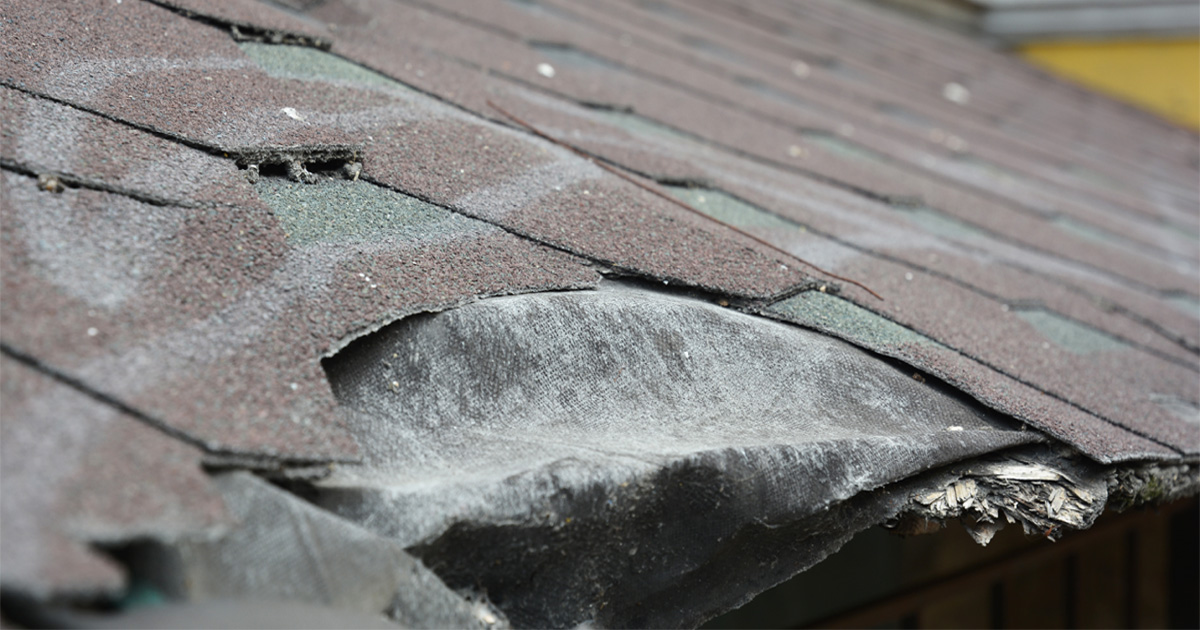
When shingles begin lifting at the edges or warping through the center, they may no longer shed water effectively. This can happen because of age, trapped heat, poor attic airflow, or repeated weather exposure.
Curling across many sections usually suggests the roofing system is declining overall rather than suffering from one isolated defect.
Cracked or Broken Shingles
Cracks create pathways for water to move beneath the surface. Once moisture reaches lower layers, leaks and wood damage can become more likely.
If cracking is limited to one small area, repairs may help. If cracking is widespread, replacement often deserves consideration.
Heavy Granule Loss
Granules are the protective outer layer of many shingles. They help shield the surface from sunlight and weathering.
If you notice large amounts collecting in gutters, that can mean the roof is aging faster and becoming less protective.
Indoor Clues That Should Not Be Ignored
Roof issues are not always first noticed outside. Sometimes your home gives you the earliest clues.
Water Stains on Ceilings or Walls
Brown marks, peeling paint, or bubbling drywall often point to moisture entry. The leak source may be directly above or farther away, since water can travel before becoming visible indoors.
Damp or Musty Attic Conditions
A humid attic, damp insulation, or musty smell can signal unwanted moisture. This can come from leaks, condensation, or ventilation problems.
Daylight Through Roof Boards
If sunlight is visible through attic boards, outside moisture may also have a path inside. This is usually a sign that prompt evaluation is wise.
These issues often grow slowly, which is why early action can save money later.
Storm Damage Can Shorten Roof Life Quickly
Weather events can push an aging roof closer to failure even if it seemed fine before.
Wind Damage
Strong winds can loosen shingles, lift edges, or break adhesive seals. Once shingles are lifted, they may not reseal properly.
Hail Damage
Hail can bruise surfaces, knock off granules, or crack materials. Damage is sometimes hard to spot from the ground.
Debris Impact
Branches, limbs, and flying objects can break shingles or damage flashing around vents and chimneys.
If you are comparing long-term material choices after storm damage, it may help to review how asphalt and metal roofs compare before deciding what best fits your goals.
When Repairs May Still Be the Better Option
Not every problem means the roof needs to be replaced. In many situations, targeted repairs are still practical.
Repairs often make sense when:
- damage is limited to one section
- the roof is relatively young
- shingles are available for matching
- decking remains solid
- leaks are not recurring
- surrounding materials are still healthy
This works because the overall system still has enough useful life left to justify fixing one area.
When Replacement Becomes the Smarter Investment
There comes a point when frequent repairs cost more than solving the bigger issue once.
Replacement may be the better path when:
- leaks keep returning
- several sections are failing
- repairs happen regularly
- the roof is visibly aging everywhere
- storm damage affected multiple slopes
- appearance has declined sharply
- resale concerns are growing
If you are seeing several of these signs together, it may help to review professional asphalt shingle roofing options so you understand what a full project may involve.
What the Replacement Process Usually Looks Like
You might be wondering what happens if you decide to move forward. While every home is different, many projects follow a familiar process.
- Roof inspection and measurements
- Material selection
- Removal of worn materials
- Decking review and repairs if needed
- Underlayment installation
- New shingles installed
- Ventilation and flashing checks
- Cleanup and final walkthrough
Knowing the process in advance often makes decisions feel easier and less stressful.
Small Delays Can Turn Into Larger Repairs
A roof problem that seems minor today can become expensive later.
For example:
- one missing shingle can allow moisture entry
- attic moisture can reduce insulation performance
- small leaks can stain ceilings and walls
- trapped water can damage decking
- emergency repairs may cost more than planned work
That does not mean panic is necessary. It simply means acting sooner often gives you more control.
Seasonal Timing Can Also Matter
Some homeowners wait until a leak appears, while others prefer to plan ahead. Scheduling work before severe weather seasons can reduce stress and allow more flexibility with timing.
If your roof already shows several warning signs, waiting for another storm may not be ideal. Planning ahead can make the project smoother.
FAQs
If damage is isolated and the roof is still in relatively good shape, repairs may be enough. If leaks keep returning or several areas are failing, replacement may be more cost-effective. A full inspection usually gives the clearest answer.
Many last between 15 and 30 years depending on installation quality, ventilation, weather exposure, and maintenance. Severe storms can shorten lifespan. Better upkeep can sometimes extend performance.
Yes, they can be. Missing shingles expose lower layers to rain and wind, which may lead to moisture damage. Even one exposed area can worsen over time if ignored.
Not always. Some minor shedding can happen naturally as materials age. Heavy or sudden granule loss often suggests the roof is wearing out faster.
It depends on age, appearance, and condition. A visibly worn roof can affect inspections and buyer confidence. In some situations, replacement helps the home present better and reduces negotiation pressure.
Protect Your Home With the Right Next Step
A roof rarely fails without warning. Curling shingles, repeated leaks, granule loss, water stains, and storm damage are all signs worth taking seriously. Some homes only need repairs, while others benefit more from replacement. The smartest choice usually comes from looking at the whole picture rather than one symptom.
If you need help understanding whether repair or replacement makes more sense, explore roofing services for practical next-step guidance.
Disclaimer
This article is for general educational purposes only and does not replace an in-person roofing inspection or project estimate. Roof condition, installation quality, weather exposure, and structural factors vary from one property to another.