
- By Premium Siding & Painting Company
- Siding
- 0 Comment
Can Damaged Siding Cause Leaks Inside Your Home?
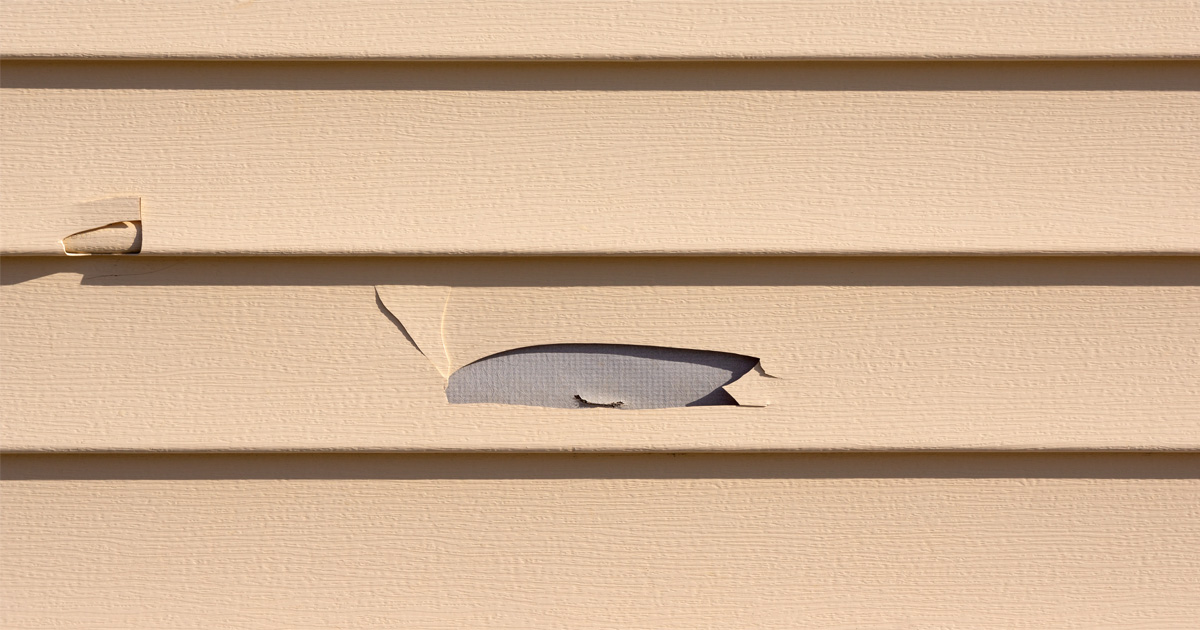
If you have noticed stains on your wall, damp smells near a window, or paint that keeps bubbling, you may be wondering can damaged siding cause leaks. The short answer is yes. Your siding helps shield your home from rain, humidity, and wind-driven moisture. When it becomes cracked, loose, warped, or worn out, water can move behind the surface and create damage that stays hidden for a long time. In this guide, you’ll learn how leaks happen, what warning signs to watch for, and what steps can help you protect your home before a small issue turns into a costly repair.
How Damaged Siding Leads to Water Leaks
Your siding is part of the outer barrier that helps move water away from the wall system. When panels separate, crack, or lose their seal, moisture can find openings and slip behind the surface. In many homes, this begins slowly and quietly. You may not notice anything inside until damage has already developed.
Instead of obvious dripping water, the first signs are often subtle. Insulation may become damp, trim can swell, or paint may start peeling indoors. If your exterior already shows wear, it can help to understand whether damaged siding should be fixed or fully replaced before the problem spreads.
Why Siding Problems Often Stay Hidden
One reason siding leaks become expensive is that the damage usually starts out of sight. Water can travel behind exterior materials and move downward before it becomes visible indoors. By the time you see a stain or smell mildew, moisture may have been present for weeks or even months.
This is why some homeowners feel surprised when a contractor finds more damage than expected. The outside may only show one loose panel, while the inside wall cavity has already absorbed water. Acting early often makes repairs simpler and less disruptive.
Common Ways Water Gets Behind Siding
Many people assume leaks only happen after a major storm. While storms can absolutely trigger problems, everyday wear is often the bigger cause.
Cracked panels are one common issue. Even small fractures can allow wind-driven rain to enter. Loose sections can also create openings where seams no longer fit tightly together.
Warped materials are another frequent problem. Heat, age, and movement in the home can cause siding to bend or buckle. Once the panel shape changes, water resistance often drops.
Openings around doors and windows matter too. If trim joints or flashing begin to fail, water may sneak in around those edges and then move behind nearby siding.
Gutter overflow is also worth watching. When water repeatedly spills down exterior walls, it increases moisture exposure and may speed up deterioration.
Signs Your Home May Already Have Siding Leaks
You do not always need a dramatic leak to know something is wrong. Many homes show smaller warning signs first.
Paint that bubbles or peels on an interior wall can be one clue. Soft drywall near windows may be another. You might notice musty smells after rain or dark spots that seem to keep returning.
Outside, look for loose panels, visible gaps, swelling trim, or areas that appear warped. These signs do not guarantee a leak, but they do suggest your exterior protection may be weakening.
If multiple symptoms are happening at once, it is smart to investigate sooner rather than later.
What Hidden Moisture Can Do Over Time
The real concern is rarely just surface water. It is what ongoing moisture can do once it stays trapped behind walls.
Wet insulation may lose efficiency, which can affect indoor comfort and utility costs. Wood framing or sheathing can begin to weaken if moisture remains for long periods. Paint and trim often fail repeatedly when the source of water is never corrected.
In some homes, persistent dampness can also create conditions where mildew or mold growth becomes more likely. That is one reason recurring stains should never be ignored.
Small exterior problems often remain small only when addressed early.
Repair or Replace? How to Think About the Decision
Not every siding issue means you need a full replacement. In many cases, a targeted repair is the right solution. If damage is limited to one area and the rest of the siding remains solid, replacing a few sections may restore protection.
However, when multiple sides of the home are aging, brittle, faded, or repeatedly failing, patchwork repairs may only delay a larger project. At that stage, replacement can be the better long-term value.
If you are comparing future options, exploring long-term siding options that better protect your home can help you understand what materials and systems may fit your goals.
How Professionals Find the True Source of a Leak
Leaks often appear far from where they start. Water may enter near trim, travel behind materials, and show up lower on a wall or ceiling. That is why guessing can waste time and money.
A professional inspection usually looks at panel condition, seams, fasteners, flashing, trim transitions, and drainage patterns. Moisture-prone areas around windows and corners often receive special attention.
The goal is to solve the cause, not just cover the symptom. Fixing a stain without fixing the entry point usually leads to repeat problems later.
What You Should Do If You Suspect Siding Damage
Start by documenting what you see. Photos of stains, cracks, gaps, or swollen trim can be useful later. Next, pay attention to timing. If issues appear after storms or heavy rain, that pattern may help identify the source.
Try to avoid quick cosmetic fixes. Fresh paint or random caulk may hide the problem while water continues behind the wall.
If the issue keeps returning, it may be time to review professional siding help for homes dealing with leaks so the real cause can be identified and corrected.
Can Better Siding Help Prevent Future Problems?
Yes, updated siding can often improve moisture protection when paired with quality installation. Newer systems may offer tighter seams, stronger materials, and improved weather resistance.
Still, siding works as part of a larger exterior system. Gutters, flashing, trim, drainage, and maintenance all matter too. Even premium products need regular attention if you want long-term performance.
That means the best protection usually comes from both good materials and good upkeep.
Frequently Asked Questions
Yes, it can. Cracks may allow rainwater behind the surface, especially during windy storms or repeated heavy weather. Over time, that moisture can reach insulation or interior wall materials.
Recurring stains near exterior-facing walls or windows are a common clue. If the spots worsen after rain, siding or flashing may be contributing. A proper inspection helps confirm the source.
Not always. Some issues hide behind trim, under overlapping edges, or higher on the wall where they are harder to notice from the ground. That is why homes can have moisture problems even when the exterior looks mostly normal.
That depends on the age of the siding, the spread of damage, and the overall condition of the material. Localized problems may only need repair, while widespread wear often makes replacement more practical. A side-by-side estimate can help you compare options clearly.
Yes, it can. If gaps allow air movement or moisture affects insulation, your heating and cooling system may need to work harder. Over time, that can reduce comfort and raise utility costs.
Protect Your Home Before Minor Damage Spreads
When you catch siding issues early, you often have more options and lower repair costs. A small crack or loose section is easier to handle than widespread moisture damage hidden inside the wall system.
If you’d like to compare next steps, explore our professional siding services to learn about repair and replacement solutions that can help protect your home for the long run.
Disclaimer
This article is for general educational purposes only and should not replace a professional on-site inspection. Every home has different materials, installation history, and weather exposure. Recommendations may vary depending on the actual cause and extent of damage.