
What Services Can a Siding Contractor Provide for Your Home?
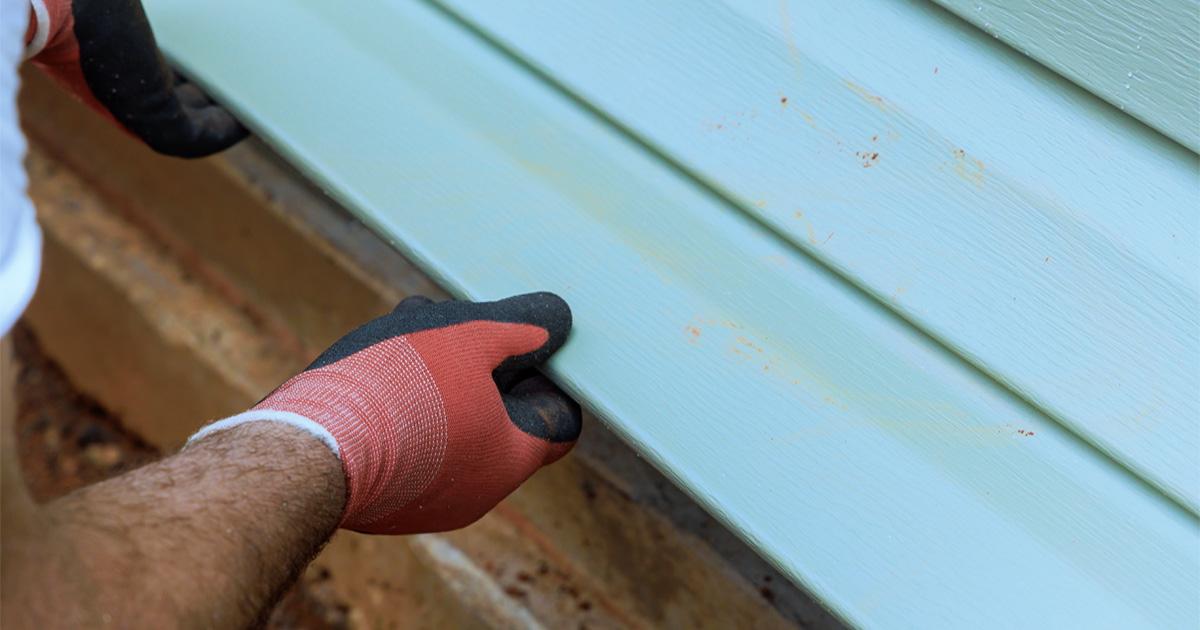
What Services Can a Siding Contractor Provide for Your Home?
Table of Contents
- 1. What Does a Siding Contractor Actually Do?
- 2. What Do Residential Siding Services Typically Include?
- 3. How a Residential Siding Contractor Evaluates Your Exterior
- 4. When Siding Repair May Be Appropriate
- 5. When Siding Replacement May Be the Better Option
- 6. Frequently Asked Questions
- 7. Key Takeaways
- 8. Make a More Informed Decision About Your Siding
- 9. Disclaimer
When you notice cracked panels, loose sections, fading, or other changes to your home’s exterior, you might wonder who to call and what kind of work you actually need. Residential Siding Services can involve much more than simply installing new siding. Depending on the condition of your home, a contractor may inspect existing materials, repair localized damage, replace deteriorated sections, or help you understand options for a larger exterior project.
You do not have to diagnose the problem yourself before asking for professional guidance. Learning what to watch for when checking your siding can help you recognize changes and explain your concerns more clearly.
This guide walks you through the different types of work a siding contractor may provide, how exterior conditions are evaluated, and what you should consider before deciding on repairs or replacement.
1. What Does a Siding Contractor Actually Do?
A siding contractor works with the materials that cover and help protect the exterior walls of your home. While siding installation is a major part of the job, it is only one of several reasons you might need professional assistance.
A contractor may inspect existing siding, identify visible damage, repair individual areas, replace deteriorated materials, install new siding, and address related trim or finishing details included within the scope of the project.
The type of work you need depends on what is actually happening with your exterior.
For example, imagine you notice one cracked panel near the side of your house. That does not automatically mean all of your siding needs replacement. The contractor can look at the damaged area, surrounding panels, nearby trim, and other visible components before discussing possible options.
A different home might have loose or deteriorated siding across several exterior walls. In that situation, addressing one panel at a time may not be the most practical approach.
This is why the first step is usually understanding the condition of the exterior rather than immediately choosing a repair or replacement.
A knowledgeable contractor should be able to explain what they see in straightforward terms. You should understand which areas deserve attention, what type of work may be appropriate, and why a particular approach is being discussed.
That information gives you a better foundation for making decisions about your home.
2. What Do Residential Siding Services Typically Include?
The exact scope of a siding project can vary considerably from one house to another. Your siding material, the condition of the exterior, the amount of damage, and your plans for the property can all influence what work is appropriate.
Here are some of the common areas a professional siding contractor may help with.
Siding Inspection and Condition Assessment
Before recommending work, a contractor can examine the visible condition of the exterior.
A siding inspection may include looking for cracked, loose, warped, deteriorated, or missing materials. The contractor may also examine areas around windows, doors, corners, trim, and other transitions where siding meets another exterior component.
The goal is not simply to find imperfections. It is to understand how widespread a concern appears to be and whether other areas deserve closer attention.
Localized Siding Repair
Not every siding problem requires a large project.
If damage is limited to a particular section and the surrounding materials remain in suitable condition, siding repair may be worth considering. Depending on the material and situation, this can involve removing damaged pieces and installing compatible replacements.
The contractor should also consider why the damage occurred. Fixing a visible panel without understanding the surrounding condition may not address the complete problem.
Siding Replacement
Replacement becomes a consideration when deterioration is more widespread, when repeated repairs are becoming necessary, or when the existing siding no longer fits the homeowner’s plans for the exterior.
This can range from replacing a substantial portion of one wall to completing a larger exterior project.
New Siding Installation
Siding installation may be needed during construction, remodeling, or a complete exterior update.
This type of project involves preparing the exterior, working with the selected siding materials, fitting panels around openings and corners, and completing trim and finishing details.
Each of these services addresses a different need, which is why evaluating the home first is more useful than assuming every siding concern has the same solution.
3. How a Residential Siding Contractor Evaluates Your Exterior
A residential siding contractor should look beyond the first problem you noticed.
You may have called because one panel looks loose, for example, but the surrounding area can provide important context. The contractor may examine nearby siding panels, transitions, trim, openings, and other visible parts of the exterior to understand whether the concern appears isolated.
The Evaluation Usually Starts With What You Have Noticed
You know what is normal for your home better than anyone else.
Maybe a section suddenly looks different after severe weather. Perhaps you noticed cracking while working in the yard. You might see a gap that was not there before, or an area may simply look more worn than the rest of the exterior.
Sharing those observations gives the contractor a useful starting point.
The Material Matters
Different siding materials can show wear and damage in different ways.
Fiber cement, vinyl, wood, engineered products, and shingle-style exterior cladding do not necessarily develop the same problems or require the same approach. The existing material can also affect how practical it is to repair an isolated section.
A contractor may consider whether compatible siding panels are available and whether a repair can be completed without unnecessarily disturbing surrounding materials.
The Surrounding Exterior Matters Too
Siding is one part of a larger exterior system.
Windows, doors, corners, trim, penetrations, and other transitions interact with the siding around them. If there is visible siding damage near one of these areas, examining the surrounding components can provide a more complete understanding of the situation.
Moisture damage also deserves careful attention. A visible change on the exterior does not always reveal how far a problem extends, so a professional evaluation can be useful when there are signs that water may be affecting the area.
There is also a measurable reason to consider what is happening behind the visible siding. According to Building Science Corporation’s guidance on drainage planes and water-resistive barriers, effective rainwater drainage can occur in drainage spaces as small as 1/16 to 1/8 inch (2 to 3 mm). The guidance explains that the appropriate width varies depending on the cladding type and function. It also notes that some cladding systems, including vinyl and aluminum siding, have an inherent drainage space.
This measurement should not be treated as a universal installation requirement for every siding system. Different siding materials, wall assemblies, and installation methods can have different requirements. Instead, it provides a useful example of why moisture management behind exterior cladding can depend on details that are not visible from the outside.
Looking at the siding together with the surrounding exterior can therefore provide a better understanding of the condition of the wall than focusing only on the first damaged panel you notice.
The purpose of the evaluation is to gather enough information to discuss reasonable next steps rather than making assumptions based on appearance alone.
4. When Siding Repair May Be Appropriate
Siding repair can be a practical option when damage is limited to a defined area and the rest of the exterior remains in suitable condition.
For example, a small number of damaged panels may not justify replacing siding across an entire wall. If compatible materials are available and there are no signs of a broader issue, targeted work may address the immediate concern.
The decision becomes more complicated when the existing material is older or difficult to match.
Siding can change in appearance over time because of exposure and normal aging. Even when a similar replacement product is available, a newly installed section may not look exactly like the surrounding material. That does not automatically make repair a poor choice, but it is something you should understand before work begins.
Shingle-style siding can raise similar questions. If only part of the exterior has deteriorated, learning more about when damaged shingle siding may need replacement can help you understand why the condition of the surrounding material matters.
You should also consider whether the visible damage is the actual problem or simply a symptom.
Suppose a panel repeatedly becomes loose. Reattaching or replacing it might address what you can see, but the contractor should still consider why the problem keeps happening. The same idea applies when deterioration repeatedly appears around a particular opening or section of the house.
A good repair should match the scope of the problem rather than simply cover the most obvious symptom.
This is one reason it is useful to ask what the contractor observed and why a particular repair is being recommended.
5. When Siding Replacement May Be the Better Option
There is no single warning sign that automatically means your entire exterior needs new siding.
Instead, replacement usually becomes part of the conversation when the condition of the siding makes isolated repairs less practical or when the homeowner is already planning a larger exterior improvement.
For example, imagine that you have repaired several sections over time and new problems continue appearing in other areas. At some point, you may want to compare the practicality of continuing individual repairs with addressing a larger portion of the exterior.
Widespread deterioration can raise the same question.
The condition of the siding matters more than simply finding one crack, faded area, or loose panel. A contractor should look at how much of the exterior is affected and whether the remaining materials appear suitable for continued use.
Material availability can influence the decision as well. If matching older siding becomes difficult, repeated repairs may create increasingly noticeable differences across the exterior.
Your own plans for the house also matter.
If you are already considering a major exterior update, replacement may give you an opportunity to reconsider siding materials, profiles, and the overall appearance of the home. If you are satisfied with the existing exterior and the problem is genuinely isolated, a smaller repair may make more sense.
If you want to understand professional options for improving your home’s siding, reviewing the types of work available can give you additional context before deciding how extensive your project should be.
The important point is that repair and replacement are not competing answers where one is always better.
They are different solutions for different exterior conditions.
Frequently Asked Questions
What services does a siding contractor usually provide?
A siding contractor may inspect existing siding, repair damaged areas, replace deteriorated materials, install new siding, and complete related trim and finishing work that falls within the project scope.
The exact services needed depend on the condition of your exterior. A home with one damaged section may require a very different approach from a property with deterioration across several walls.
Can a siding contractor repair only part of my house?
In many situations, localized repairs may be possible. The contractor will usually consider the extent of the damage, the condition of the surrounding siding, and whether suitable replacement materials are available.
A partial repair may be reasonable when the concern is isolated. If deterioration extends beyond the visible area or affects multiple sections, the contractor may discuss a broader approach.
How do I know whether siding damage is serious?
Start by looking for changes rather than trying to diagnose the exact cause yourself. Cracks, loose panels, missing sections, visible deterioration, unusual gaps, or recurring problems can all be reasons to take a closer look.
The seriousness of the issue depends on what caused it and how much of the exterior is affected. If you are unsure, a professional evaluation can help you understand whether the concern appears localized or deserves more extensive attention.
What should I expect before siding work begins?
Before work begins, you should understand the general scope of the project and which areas of the exterior will be affected.
For a larger project, you may need to move outdoor furniture, decorations, planters, or other belongings away from the work area. There may also be noise, material deliveries, debris, and temporary limitations around portions of the property.
Ask questions before work starts if any part of the process is unclear. Knowing what to expect can make preparing your home much easier.
Should I repair damaged siding or replace it?
The answer depends on the extent of the siding damage, the condition of surrounding materials, material availability, and your longer-term plans for the exterior.
An isolated problem may be suitable for repair, while widespread or recurring deterioration may make a larger replacement project worth considering. There is no universal answer, so the decision should be based on the actual condition of your home rather than a general rule.
Key Takeaways
- A siding contractor may provide inspections, repairs, replacement, installation, and related exterior work.
- Not every damaged panel means your entire exterior needs replacement.
- The condition of surrounding materials matters when deciding whether a localized repair is practical.
- Different siding materials can require different approaches to inspection and repair.
- Repeated or widespread problems may be a reason to compare repair with a larger replacement project.
- Understanding the scope of the problem can help you ask better questions and make a more informed decision.
Make a More Informed Decision About Your Siding
You do not need to know exactly what type of siding work your home needs before asking for professional guidance. Recognizing that something has changed is often enough reason to look more closely.
Start by considering where the problem appears, how widespread it seems, and whether you have noticed similar concerns before. From there, an exterior evaluation can help clarify whether a focused repair, replacement of a larger area, or another approach is worth considering.
The best next step should reflect the actual condition of your home rather than assuming every siding concern requires the same solution.
If you have questions about your exterior and want to better understand the available options, professional siding services can help you determine what type of work may be appropriate for your home’s specific condition.
Disclaimer
This article is intended for general informational purposes only and should not be considered professional construction, engineering, financial, insurance, or legal advice. Every home’s exterior is different, and siding conditions can vary based on material, installation, age, weather exposure, maintenance history, previous repairs, and other property-specific factors. A qualified siding professional should evaluate your property before you make decisions about siding repair, replacement, installation, or other exterior work.