How to Tell When Your Shingle Siding Needs to Be Replaced
How to Tell When Your Shingle Siding Needs to Be Replaced
Table of Contents
- 1. Why Replacing Aging Siding Matters
- 2. Shingle Siding Replacement
- 3. Common Signs Your Siding Needs Attention
- 4. Should You Repair or Replace Your Siding?
- 5. What to Expect During a Replacement Project
- 6. FAQ
- 7. Key Takeaways
- 8. Protect Your Home Before Small Problems Become Bigger Ones
- 9. Disclaimer
Wondering whether your home’s siding is still doing its job? You’re not alone. Many homeowners notice small cracks, fading, or loose shingles but aren’t always sure whether those issues require a simple repair or something more significant. Recognizing the early warning signs can help you protect your home from moisture damage and avoid larger repairs in the future. Knowing when Shingle Siding Replacement becomes the better long-term solution allows you to make informed decisions before problems become more expensive.
If you’ve already noticed changes in your home’s exterior, it may also help to understand what happens during a professional siding installation so you know what the process typically involves from preparation through completion. In this guide, you’ll learn the most common signs of siding deterioration, what causes those problems, when repairs may still be appropriate, and how to determine whether replacing your siding is the right investment for your home.
1. Why Replacing Aging Siding Matters
Your siding serves as one of your home’s first lines of defense against the elements. Every day it protects the structure beneath it from rain, wind, changing temperatures, and outdoor moisture. While siding is built to last for many years, no material remains in perfect condition forever. As it ages, even small problems can gradually affect both its appearance and its ability to protect your home.
One reason siding problems are often overlooked is that they rarely appear overnight. Instead, they develop gradually through years of weather exposure and everyday wear. A few small cracks may not seem concerning at first, and slight fading may simply look like normal aging. However, these visible changes sometimes indicate that the material is beginning to lose its ability to perform as intended.
Replacing aging siding is about much more than improving curb appeal. Damaged exterior cladding may allow moisture to reach the underlying structure, increasing the possibility of wood rot, mold growth, or additional structural repairs. Addressing problems before they spread often helps homeowners avoid larger expenses later.
Another important consideration is long-term maintenance. Older siding frequently requires more frequent repairs, repainting, or ongoing upkeep to maintain its appearance. In some situations, continuing to repair isolated areas eventually becomes less practical than investing in new siding that provides more reliable protection and requires less maintenance.
Understanding the condition of your home’s exterior allows you to plan improvements before unexpected issues arise. Even if your siding still appears functional from a distance, periodic inspections can reveal smaller concerns that deserve attention before they become larger problems.
2. Shingle Siding Replacement
Deciding whether to replace your siding is not always straightforward. Every home experiences different levels of weather exposure, maintenance, and natural aging. While some issues can be corrected with relatively minor repairs, widespread deterioration often signals that replacement will provide greater long-term value.
One of the biggest advantages of replacing older siding is restoring the protective barrier around your home. New siding helps reduce the risk of water intrusion while giving the exterior a fresh appearance that complements the rest of the property. It can also improve overall durability by replacing materials that have gradually weakened after years of exposure to changing weather conditions.
Many homeowners wonder whether they should wait until visible damage becomes severe before taking action. In reality, early replacement often prevents additional problems from developing behind the siding where they cannot easily be seen. Moisture that reaches the wall assembly may remain hidden for extended periods before creating noticeable symptoms inside the home.
Another factor to consider is the age of the siding itself. Even if repairs seem possible, older materials may continue developing new issues as they approach the end of their expected service life. Replacing worn sections one at a time can eventually become more costly than installing a complete, properly integrated exterior system.
If you’re evaluating replacement options, it’s also worth taking time to explore the most common shingle siding materials before selecting the product that best matches your home’s appearance, maintenance preferences, and long-term goals.
Ultimately, the right decision depends on the overall condition of your siding rather than a single damaged area. Looking at the complete picture allows you to choose the option that provides lasting protection instead of simply addressing temporary symptoms.
3. Common Signs Your Siding Needs Attention
Recognizing the warning signs early gives you the opportunity to address problems before they become more extensive. While every home is different, several common indicators suggest your siding deserves a closer inspection.
Cracked Siding
Small cracks may appear harmless, but they can create openings where moisture enters behind the exterior surface. Seasonal expansion and contraction caused by changing temperatures may gradually enlarge these openings, increasing the likelihood of additional siding damage over time.
If cracking appears across multiple areas instead of a single isolated section, it may indicate that the material has naturally aged and is beginning to lose its durability.
Warped or Uneven Areas
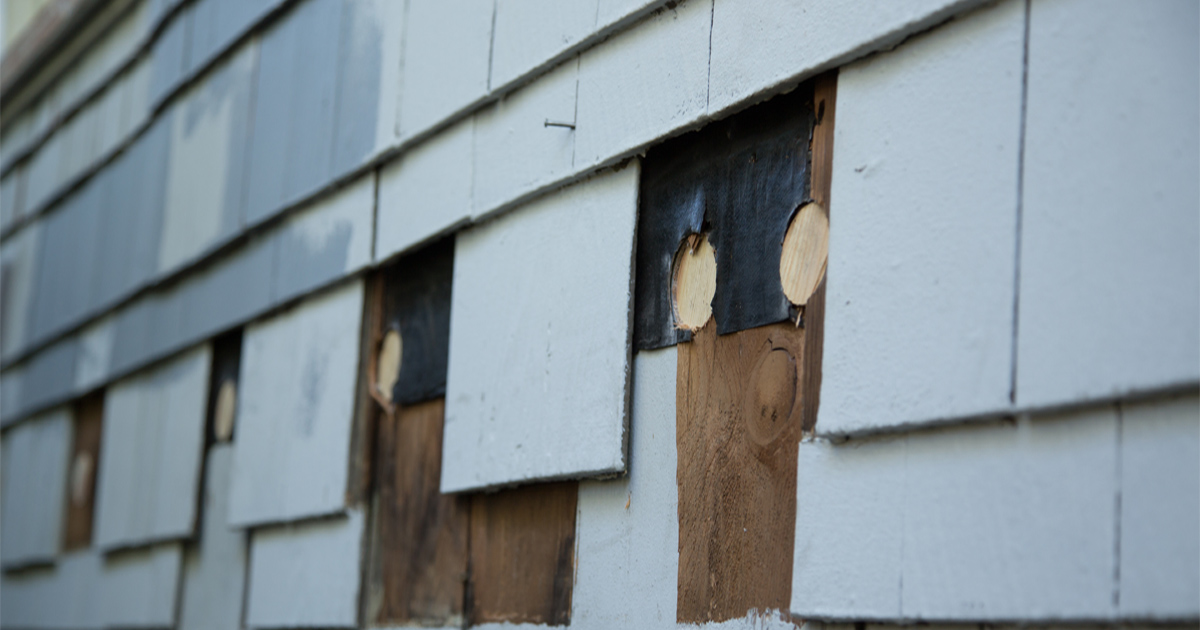
Siding should remain flat against the exterior walls. If you notice panels or shingles that appear to bow outward, ripple, or separate from the structure, moisture or prolonged weather exposure may be contributing to the problem.
Warping is often one of the more noticeable signs that the material beneath the surface should be evaluated before the condition worsens.
Loose Siding Shingles
Strong winds, aging fasteners, and years of exposure can eventually loosen individual shingles. Even a few loose pieces create opportunities for water and debris to reach areas that should remain protected.
Because these openings often expand over time, addressing them promptly helps reduce the risk of more widespread deterioration.
Moisture Damage and Wood Rot
Persistent moisture is one of the leading causes of siding deterioration. Water stains, soft spots, discoloration, or visible wood rot should never be ignored because they often indicate that moisture has been present longer than expected.
In many situations, these problems begin beneath the surface before becoming visible from the outside. That’s one reason routine inspections are so valuable for identifying concerns early.
Fading and Surface Wear
Years of sunlight and weather exposure naturally affect the appearance of exterior materials. While fading alone does not necessarily mean replacement is required, widespread surface wear combined with cracking, loose shingles, or moisture damage often suggests the siding is approaching the end of its useful lifespan.
Appearance should never be the only factor you consider, but it frequently reflects the overall condition of the materials protecting your home.
4. Should You Repair or Replace Your Siding?
One of the most common questions homeowners ask is whether repairing a few damaged areas is enough or whether replacing the entire exterior is the better investment. The answer depends on the extent of the damage, the age of the siding, and whether the problems are isolated or affecting multiple sections of your home.
Repairs often make sense when damage is limited to a small area caused by a recent storm, accidental impact, or a few loose shingles. Addressing these issues promptly can help restore protection without requiring a larger project.
Replacement may become the better option when problems continue appearing in different locations or when the siding has reached the end of its expected lifespan. Widespread cracked siding, recurring moisture damage, extensive wood rot, or multiple loose siding shingles often indicate that the material is no longer providing dependable protection.
You should also consider the amount of ongoing maintenance your siding requires. If you’re making frequent repairs every year, replacing older materials may provide better long-term value while reducing future maintenance demands.
Some homeowners also use a replacement project as an opportunity to update the appearance of their home. If you’re considering different exterior styles, you may want to compare shingle-inspired siding with traditional shingles before making your final decision.
Ultimately, replacing siding isn’t simply about fixing visible problems. It’s about protecting your home before hidden damage becomes a much larger concern.
5. What to Expect During a Replacement Project
If you’ve never replaced siding before, it’s natural to wonder how the process works. While every home is different, most projects follow a similar series of steps designed to protect your property while creating a durable new exterior.
Initial Evaluation
The project usually begins with a thorough inspection of the existing siding. This helps identify visible damage, areas affected by moisture, and any underlying concerns that should be addressed before new materials are installed.
The evaluation also provides an opportunity to discuss different siding materials, maintenance expectations, and design preferences that fit your home’s style.
Removing the Existing Siding
Once the project begins, the old siding is carefully removed to expose the wall beneath. This step allows installers to inspect the underlying structure for hidden moisture, damaged sheathing, or other issues that may have developed over time.
Although many homeowners hope replacement involves installing new materials directly over the old ones, inspecting the structure underneath helps ensure the new exterior performs as intended.
Preparing the Exterior
Before installation begins, any necessary repairs to the wall assembly are completed. Moisture barriers, flashing, and other protective components are installed or updated as needed to improve long-term weather protection.
Preparing the surface correctly helps create a stable foundation for the new siding while reducing the likelihood of future problems.
Installing the New Siding
The new siding is installed according to the manufacturer’s specifications and the home’s design. Careful alignment, secure fastening, and proper spacing all contribute to both appearance and durability.
Attention to detail during installation helps maximize the siding lifespan while creating a finished exterior that complements your home’s overall design.
Final Inspection
After installation is complete, the finished project is reviewed to ensure everything has been installed correctly. This final walkthrough allows any remaining adjustments to be completed before the project is considered finished.
Understanding these steps often helps homeowners feel more confident about the replacement process and what to expect from beginning to end.
Frequently Asked Questions
How do I know if my siding needs to be replaced?
If you notice widespread cracks, loose shingles, warping, recurring moisture problems, or visible wood rot, it may be time to consider replacement. A professional evaluation can help determine whether repairs are still practical or if replacing the siding will provide better long-term protection.
Can damaged shingle siding be repaired?
Yes. Minor, isolated damage can often be repaired successfully. However, if problems continue appearing across multiple sections of your home’s exterior, replacement may become the more cost-effective solution over time.
How long does a siding replacement project usually take?
Every project is different. The timeline depends on the size of your home, the condition of the existing exterior, weather conditions, and the siding material being installed. Most homeowners receive a project schedule before work begins so they know what to expect.
What siding material should I choose?
The right choice depends on your home’s design, maintenance preferences, local climate, and budget. Comparing available options before making a decision helps ensure you select materials that support your long-term goals.
How can I help my new siding last longer?
Regular inspections, keeping the exterior clean, addressing small problems early, and maintaining proper drainage around your home all help extend the life of your siding and reduce unnecessary wear.
Key Takeaways
- Watch for cracked siding, loose shingles, warping, moisture damage, and wood rot.
- Small problems are often easier and less expensive to address than widespread deterioration.
- Replacement may provide better long-term value when repairs become frequent.
- Proper installation and routine home maintenance both contribute to a longer-lasting exterior.
- Understanding the replacement process helps you make informed decisions before problems become more extensive.
Protect Your Home Before Small Problems Become Bigger Ones
Knowing when to replace aging siding allows you to address problems before they affect the structure beneath your home’s exterior. Whether you’ve noticed visible wear or simply want a better understanding of your options, taking action early often helps prevent more extensive repairs in the future.
If you’re ready to learn more about available replacement options, explore our Siding Services to better understand the solutions available for protecting and enhancing your home’s exterior.
Disclaimer
This article is intended for general informational purposes only and should not be considered professional construction, engineering, or legal advice. Every home is different, and the condition of your siding depends on factors such as material type, installation quality, maintenance history, weather exposure, and the underlying structure. If you have concerns about the condition of your home’s exterior, consult a qualified siding professional for recommendations specific to your property.