What Are the Different Types of Shingle Siding for Homes?
What Are the Different Types of Shingle Siding for Homes?
Table of Contents
- 1. Why Homeowners Continue to Consider Shingle Siding
- 2. Types of Shingle Siding
- 3. How Different Shingle Materials Compare
- 4. How Maintenance Affects Long-Term Performance
- 5. Why Appearance Matters When Choosing Siding
- 6. Common Mistakes Homeowners Should Avoid
- 7. What to Consider Before Installing New Siding
- 8. FAQ
- 9. Key Takeaways
- 10. Choosing the Right Shingle Siding for Your Home
- 11. Disclaimer
Choosing new siding can feel overwhelming once you start comparing materials, styles, maintenance requirements, and long-term durability. Many homeowners researching Types of Shingle Siding are trying to understand which options provide the right balance between appearance, protection, and long-term value. While many siding styles are available today, shingle-style products remain popular because they create distinctive visual character while working well with a variety of architectural designs.
You might be wondering whether one type performs significantly better than another. The answer depends on your priorities. Some homeowners care most about durability, while others focus on appearance, maintenance requirements, or overall budget. Before comparing specific materials, it may also help to understand whether shingle siding is a good choice for homeowners so you can evaluate the broader benefits and considerations associated with this exterior style.
1. Why Homeowners Continue to Consider Shingle Siding
Shingle siding has remained popular for decades because it offers a unique appearance that stands apart from traditional horizontal siding. Many homeowners appreciate the texture, depth, and architectural interest that shingles can bring to an exterior.
Unlike some exterior styles that feel heavily tied to a specific trend, shingle siding works well across various home designs. You can find it on cottages, craftsman homes, coastal properties, traditional residences, and even some modern homes.
Another reason homeowners continue exploring shingle-style exteriors is versatility. Today’s market offers several material options that can accommodate different budgets, maintenance expectations, and performance goals.
The main difference is that not all shingles are made from the same material. Some prioritize natural beauty, while others focus on durability or reduced upkeep.
2. Types of Shingle Siding
Understanding the available options can make the selection process much easier. Each material offers different advantages depending on your home’s needs and your long-term expectations.
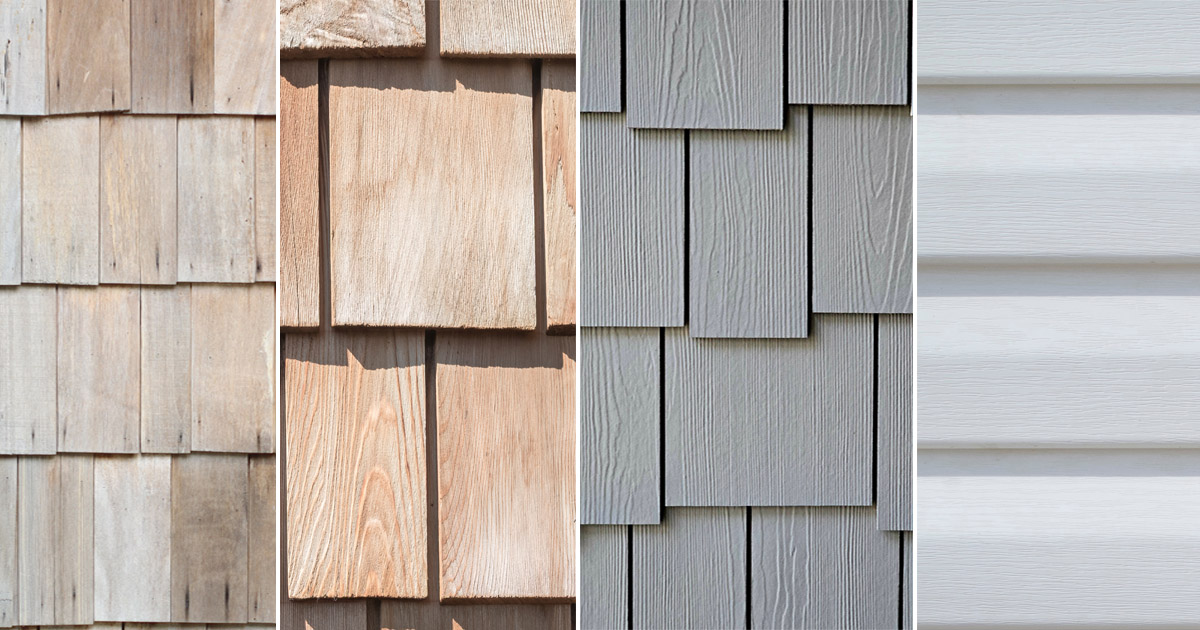
Cedar Shingle Siding
Cedar remains one of the most recognizable siding materials available. Many homeowners choose cedar because of its natural appearance and timeless appeal.
Over time, cedar can develop a weathered look that some homeowners find attractive. Others prefer maintaining its original color through periodic staining or sealing.
Cedar also offers natural resistance to insects and moisture when properly maintained. However, it typically requires more ongoing care than some manufactured alternatives.
Wood Shingle Siding
Wood shingle siding provides a classic appearance that many homeowners associate with traditional architecture.
Various wood species may be used depending on regional availability and project goals. Natural wood offers warmth and authenticity that some synthetic materials attempt to replicate.
However, wood products generally require routine inspections and maintenance to help preserve their appearance and performance over time.
Composite Shingle Siding
Composite products have become increasingly popular because they combine different materials to improve durability and reduce maintenance demands.
Many composite options are designed to mimic the appearance of natural wood while offering improved resistance to moisture, insects, and weather exposure.
For homeowners seeking a balance between aesthetics and practicality, composite materials often provide an appealing middle ground.
Fiber Cement Shingle Siding
Fiber cement products continue gaining popularity among homeowners who prioritize durability.
These materials are designed to withstand various environmental conditions while offering the appearance of traditional shingles. Many fiber cement products also resist insects, moisture, and fire better than some natural materials.
Because of these qualities, homeowners often view fiber cement as a long-term exterior investment.
Vinyl Shingle Siding
Vinyl products remain common because they are generally more affordable and require relatively little maintenance.
Modern manufacturing techniques have improved the appearance of vinyl significantly. Some products now replicate wood textures more convincingly than earlier generations of vinyl siding.
While vinyl may not perfectly duplicate the look of natural wood, many homeowners appreciate its lower maintenance requirements and accessibility.
3. How Different Shingle Materials Compare
When comparing siding materials, it helps to focus on several key factors rather than appearance alone.
Some of the most important considerations include:
- Durability
- Maintenance requirements
- Moisture resistance
- Appearance
- Cost
- Expected lifespan
Natural wood products often deliver strong visual appeal but may require more upkeep. Composite and fiber cement products typically prioritize durability and lower maintenance. Vinyl products often appeal to homeowners looking for affordability and simplicity.
Some homeowners also consider siding products that mimic the look of traditional shingles when comparing alternatives that offer similar aesthetics with different maintenance expectations.
The best choice depends on how you balance appearance, budget, and long-term ownership goals.
4. How Maintenance Affects Long-Term Performance
Many homeowners focus heavily on appearance during the selection process, but maintenance often becomes more important after installation.
Even durable exterior materials benefit from periodic inspections and routine care. Small issues that go unnoticed can sometimes develop into larger concerns over time.
This works because siding serves as part of your home’s protective exterior system. It helps shield the structure from moisture, weather exposure, and everyday environmental conditions.
Maintenance requirements vary significantly between materials. Natural wood products often require more attention than composite or vinyl alternatives. Fiber cement products may require less frequent upkeep, but they still benefit from inspections and occasional maintenance.
Understanding these differences before installation can help set realistic expectations for long-term ownership.
5. Why Appearance Matters When Choosing Siding
Durability matters, but appearance still plays a major role in homeowner satisfaction.
Siding covers a substantial portion of your home’s exterior. As a result, it strongly influences curb appeal and overall first impressions.
Texture, color, and profile all contribute to the final appearance. Some homeowners prefer the natural variation found in cedar or wood products. Others prefer the more uniform look of composite or manufactured materials.
Shingle siding also creates visual depth that many other exterior siding materials cannot easily replicate. This added texture can help create a more distinctive and attractive exterior.
Color selection is equally important. Neutral tones often remain popular because they complement a wide range of architectural styles and future exterior updates.
6. Common Mistakes Homeowners Should Avoid
One common mistake is choosing a siding material based solely on upfront cost.
While budget matters, the least expensive option may not always provide the best long-term value. Maintenance expenses, repair requirements, and expected lifespan should all factor into the decision.
Another mistake involves overlooking installation quality. Even high-quality materials can experience problems if installation is rushed or performed incorrectly.
Homeowners should also avoid focusing entirely on current design trends. Exterior renovations often last for many years, so it helps to choose materials that will continue looking appealing over time.
If you are comparing materials and planning future upgrades, exploring additional siding options for your home can provide valuable perspective before making a final decision.
7. What to Consider Before Installing New Siding
Before selecting a material, think about how you plan to maintain your home over the coming years.
Ask yourself:
- How much maintenance are you comfortable performing?
- What weather conditions does your home experience?
- How important is natural appearance?
- What is your long-term budget?
- Are you planning additional exterior improvements?
You should also consider how siding will interact with roofing, trim, gutters, landscaping, and overall home exterior design.
The best siding choice is rarely about one single feature. Instead, it usually involves balancing durability, maintenance, appearance, and budget in a way that supports your long-term goals.
FAQ
What is the most durable type of shingle siding?
Many homeowners consider fiber cement among the most durable options available. It typically offers strong resistance to moisture, insects, and weather exposure. However, durability can vary depending on installation quality and ongoing maintenance.
Does cedar siding require a lot of maintenance?
Cedar generally requires more maintenance than some manufactured alternatives. Periodic inspections, cleaning, and protective treatments can help preserve its appearance and performance. Many homeowners feel the natural appearance is worth the additional upkeep.
Is composite siding a good alternative to natural wood?
Composite materials are often designed to provide a balance between appearance and durability. They can offer lower maintenance requirements while still creating a wood-like aesthetic. This makes them appealing to homeowners seeking practicality and visual appeal.
Can shingle siding improve curb appeal?
Shingle siding often adds texture and architectural character to a home’s exterior. Its distinctive appearance can help create a more visually interesting design. Many homeowners choose it specifically for its curb appeal benefits.
How long does shingle siding typically last?
The lifespan depends on the material, installation quality, climate conditions, and maintenance practices. Some products can perform well for decades when properly maintained. Regular inspections and prompt repairs can help maximize longevity.
Key Takeaways
- Shingle siding is available in several material options.
- Cedar offers natural beauty and traditional appeal.
- Composite products often balance durability and appearance.
- Fiber cement prioritizes long-term performance.
- Vinyl remains a popular low-maintenance option.
- Maintenance expectations vary significantly between materials.
- Installation quality affects long-term results.
Choosing the Right Shingle Siding for Your Home
Selecting the right siding involves more than choosing a color or texture. Understanding how different materials perform over time can help you make a more informed decision that supports your home’s appearance, protection, and long-term value.
Every homeowner has different priorities. Some focus on durability, while others prioritize aesthetics or maintenance requirements. If you’re exploring exterior renovation projects and want to learn more about available materials and installation considerations, explore our Siding Services for additional information.
Need help with selecting the right siding material for your home? Have questions? Our team is here to help.
Disclaimer
This article is intended for general informational purposes only and should not be considered professional construction, engineering, or legal advice. Siding performance, maintenance requirements, and lifespan may vary depending on material selection, installation quality, weather exposure, and property-specific conditions. Homeowners should consult qualified professionals before making final exterior renovation decisions.