
What Happens When Water Gets Behind Your Home’s Siding?
What Happens When Water Gets Behind Your Home’s Siding?
Table of Contents
- 1. How Water Can Get Behind Your Siding
- 2. What Siding Water Damage Can Do Beneath the Surface
- 3. Signs of Water Behind Siding
- 4. Why Moisture Behind Siding Can Be Difficult to Spot
- 5. What to Do When You Suspect a Moisture Problem
- 6. Frequently Asked Questions
- 7. Key Takeaways
- 8. Protecting Your Home Starts With Understanding the Problem
- 9. Disclaimer
Water on the outside of your siding is normal. Rain, melting snow, sprinklers, and ordinary outdoor moisture are all things a home’s exterior is expected to encounter. The concern begins when water finds a path behind the siding and does not drain or dry as intended. Siding water damage can develop gradually, which means the first visible clue may appear well after moisture has reached materials beneath the exterior surface.
You might be wondering how you can recognize a problem you cannot easily see. Knowing what to look for when checking your siding can help you notice changes that deserve closer attention.
Here is what you need to know about how moisture gets behind siding, what can happen beneath the surface, warning signs you may notice, and the practical steps you can take if something does not look right.
1. How Water Can Get Behind Your Siding
Siding is designed to help protect the exterior of your home, but it does not work by itself. The complete exterior wall includes several components that work together to manage water and help keep moisture away from vulnerable materials.
Water infiltration can begin when something interrupts that system.
A damaged or loose siding panel, for example, may expose an area that normally has greater protection. Openings can also develop around windows, doors, exterior fixtures, vents, and other places where different materials meet.
Flashing is another important part of moisture management. It is typically used around openings and transitions to direct water away from areas where it could otherwise enter the wall assembly. If flashing is damaged, missing, or no longer performing as intended, water may find a path behind the finished exterior.
The same principle applies to seams, joints, and penetrations. Water naturally follows available paths, so even a relatively small opening can matter when it is repeatedly exposed to rain.
Wind-Driven Rain Can Reach Unexpected Areas
Rain does not always fall straight down. During windy weather, water can be pushed toward walls and into openings that receive less exposure during ordinary rainfall.
That does not automatically mean there is a serious problem. Exterior wall systems are generally designed with moisture management in mind. However, damaged components or poorly protected openings can make water infiltration more likely.
The Exterior Surface Is Only One Layer
Depending on how a home was constructed, materials such as house wrap or another water-resistant barrier may sit behind the siding. These components help manage moisture that moves past the exterior surface.
There are also measurable standards for how this protection is installed. The 2024 International Residential Code requirements for exterior wall coverings address water-resistive barriers behind exterior wall coverings. For qualifying barriers installed horizontally, the code specifies that upper layers overlap lower layers by at least 2 inches (51 mm) and that joints overlap by at least 6 inches (152 mm). These measurable requirements help illustrate why proper layering behind exterior cladding matters when water moves past the visible siding.
This does not mean those measurements apply identically to every siding product or wall assembly. Materials, approved systems, manufacturer instructions, and applicable building requirements can differ. The broader principle is that the components behind siding need to be installed so they can work together to manage water.
This is why seeing water reach the back of a siding panel does not necessarily tell you how far the moisture has traveled. What matters is whether the layers behind the siding can manage that water properly or whether moisture is reaching materials that should remain protected.
The important point is that siding is part of a system. Looking at only the visible panels may not reveal everything happening within the exterior wall.
2. What Siding Water Damage Can Do Beneath the Surface
When moisture moves beyond the exterior surface, what happens next depends on where the water travels, how much enters, and whether the area can dry.
A brief exposure and an ongoing moisture problem are not necessarily the same situation. Problems become more concerning when water repeatedly enters the same area or becomes trapped where drying is difficult.
Moisture Can Reach Materials Behind the Siding
The materials underneath your siding vary depending on the construction of your home. The wall assembly may include a water-resistant barrier, sheathing, insulation, framing, and interior finishes.
When these layers are properly protected, the system helps control exterior moisture. If water gets beyond those protective components, however, materials that were intended to stay relatively dry may become exposed.
Wood-based materials can deteriorate when they remain wet for extended periods. Insulation may also be affected if moisture reaches the wall cavity. In some situations, signs may eventually appear on interior surfaces.
This does not mean every loose panel or small exterior stain indicates hidden structural damage. It means persistent moisture deserves attention because you cannot determine the full condition of the wall simply by looking at the siding from a distance.
Trapped Moisture Can Make the Problem Harder to Notice
A wall may look dry from the outside while moisture remains behind the siding. This is one reason exterior moisture problems can be confusing for homeowners.
The visible siding may dry after the rain stops, while areas underneath take longer to release moisture. If the source of water infiltration remains, the same area can become wet again during the next storm.
Over time, repeated wetting can make a small exterior problem more significant.
3. Signs of Water Behind Siding
You usually cannot see behind your siding without removing material, but your home may provide clues that something has changed.
The key is to look for patterns rather than assuming one isolated mark proves there is hidden moisture.
Some signs worth paying attention to include:
- siding that appears loose, warped, cracked, or unusually separated
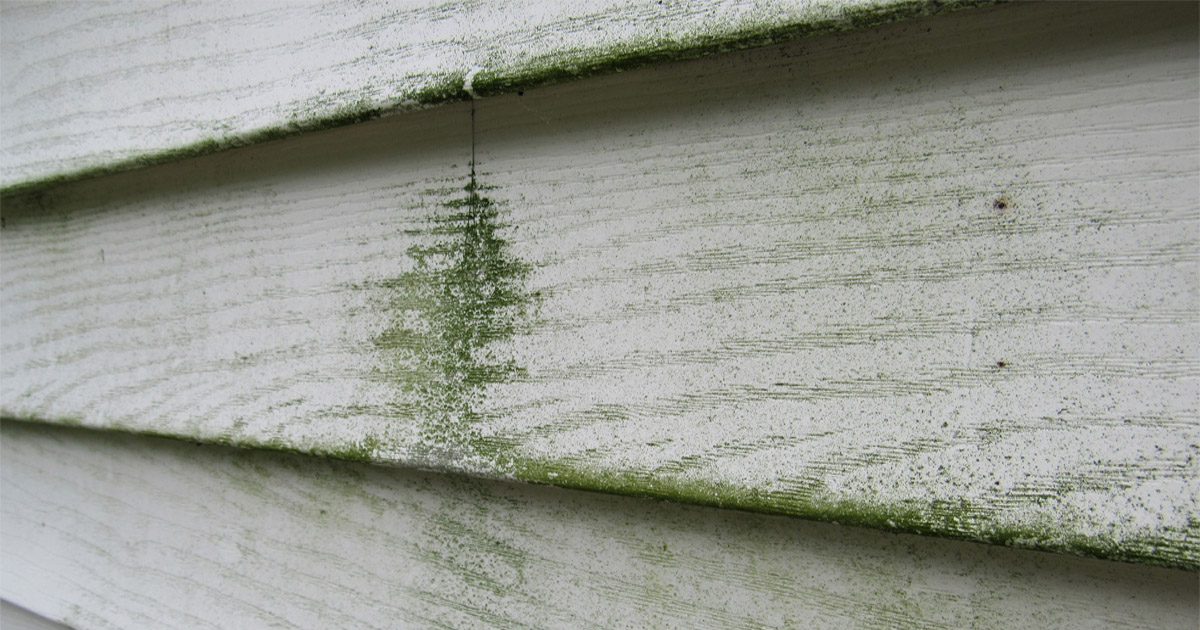
- recurring staining or discoloration on exterior surfaces
- peeling or bubbling paint near exterior walls
- soft or deteriorated material around siding or trim
- persistent musty odors near an exterior wall
- interior staining that appears after rain
- changes around windows, doors, seams, or exterior penetrations
These signs can have different causes. For example, peeling interior paint does not automatically mean water is entering through the siding. Plumbing, indoor humidity, roofing problems, and other moisture sources can sometimes create similar symptoms.
That is why identifying where the water is coming from matters more than simply treating the visible symptom.
Pay Attention to Changes After Rain
Timing can give you useful information.
If a stain repeatedly appears after heavy rain, or an area of siding seems different after storms, make a note of when it happens and where you see it. You can even take photographs so you have a record of how the area changes.
You should also look at nearby exterior features. Windows, doors, trim, penetrations, and transitions between materials can provide possible paths for moisture.
If your home has vertical panels, understanding how regular care can protect vertical siding can also help you recognize changes that may otherwise be easy to overlook.
The goal is not to diagnose a hidden wall problem yourself. It is to become familiar enough with your exterior that you notice when something looks different.
4. Why Moisture Behind Siding Can Be Difficult to Spot
One of the frustrating things about moisture behind siding is that the source and the visible symptom may not be in exactly the same place.
Water can move along surfaces, follow gaps, or travel around components before becoming noticeable. As a result, a stain inside your home does not necessarily identify the exact exterior entry point.
This can make quick visual assumptions unreliable.
For example, you may see discoloration beneath a window and assume the siding directly outside that spot is responsible. The actual path could involve a nearby joint, flashing detail, opening, or another exterior component.
Hidden Does Not Automatically Mean Severe
It is also important not to assume the worst.
Finding a suspicious area does not automatically mean your entire wall needs to be rebuilt or your siding needs to be replaced. The extent of the problem depends on the cause, duration, affected materials, and condition of the surrounding exterior.
A localized issue may require a very different response from widespread deterioration.
This is where a closer evaluation becomes useful. The goal should be to identify the likely source, determine how much of the exterior is affected, and understand whether the problem is limited to the siding or extends farther into the wall assembly.
If the condition cannot be understood from the surface, getting professional help with damaged siding can provide a clearer picture of what may need attention.
Finding the source is more useful than simply covering the symptom. A cosmetic repair may make an area look better without addressing why moisture appeared there in the first place.
5. What to Do When You Suspect a Moisture Problem
Discovering a possible moisture issue can be concerning, especially when you cannot see what is happening behind the exterior. A methodical approach can help you avoid jumping to conclusions.
Start by documenting what you see.
Take photographs of staining, loose panels, gaps, peeling finishes, or other visible changes. If the problem seems connected to rainfall, note whether it appears during light rain, heavy rain, or wind-driven storms.
Next, look at the surrounding area from a safe location. You are not trying to dismantle the wall. You are simply looking for obvious changes that may provide context.
Avoid Covering the Problem Before You Understand It
One common mistake is focusing immediately on making the visible area look normal again.
Painting over a stain, sealing an unexplained opening, or replacing one visibly damaged piece may hide the symptom without identifying the source. In some situations, an opening may also be part of the wall’s intended drainage or ventilation design, so sealing unfamiliar gaps without understanding their purpose may create another problem.
Instead, determine why the area changed before deciding how to address it.
Understand What May Need to Be Evaluated
If the problem warrants a closer look, an evaluation may consider the condition of the siding panels, joints, trim, flashing, nearby penetrations, and accessible moisture-control components.
The objective is to understand three things: where moisture may be entering, what materials may have been affected, and what needs to change to reduce the chance of the problem returning.
Sometimes the solution may involve a localized repair. Other situations may reveal broader deterioration or installation concerns. There is no single answer that applies to every home.
The condition of the existing materials should guide the next step rather than assumptions based only on age or appearance.
Frequently Asked Questions
How do I know if there is water behind my siding?
Look for changes such as staining, loose or warped panels, deteriorated trim, peeling interior finishes, or moisture-related symptoms that appear after rain. None of these signs proves that water is behind the siding, but recurring patterns can indicate that the area deserves closer evaluation.
Because exterior wall systems contain several layers, the source may not be visible from the surface.
Can water behind siding dry on its own?
Some exterior wall assemblies are designed to manage small amounts of incidental moisture and allow drying. However, whether an area can dry depends on the wall design, materials, weather conditions, and source of the moisture.
If water continues entering the same area, drying alone does not solve the underlying problem. The entry point or damaged component still needs to be understood.
Does water damaged siding always need to be replaced?
No. The appropriate response depends on what is damaged and how extensive the problem is.
A localized issue may be repairable, while widespread deterioration can require more extensive work. It is also important to determine whether the concern involves only the exterior material or components behind it.
Replacing siding without addressing the source of moisture can allow the same problem to return.
Can moisture get behind siding around windows and doors?
Yes, openings and transitions are areas where moisture management is especially important. Windows and doors interrupt the continuous exterior wall surface, so flashing and other protective details help direct water away from vulnerable areas.
If you notice recurring staining or deterioration around an opening, the surrounding components may need closer attention.
Should I remove siding myself to check for moisture?
Removing siding without understanding how the system is assembled can create additional damage or make it harder to reinstall components correctly. It may also expose underlying materials to weather.
You can document visible symptoms and safely inspect accessible areas, but opening the wall is generally better handled by someone familiar with the siding system and the materials underneath it.
Key Takeaways
- Water can move behind siding through damaged materials, openings, joints, penetrations, or vulnerable transitions.
- The siding itself is only one part of the exterior wall’s moisture-management system.
- House wrap, a water-resistant barrier, flashing, and other components may help manage water that gets beyond the visible exterior.
- Signs such as staining, loose panels, deteriorated materials, or recurring interior changes can justify a closer look, but they do not automatically prove the source.
- Trapped moisture can be difficult to identify because the visible symptom may appear away from the original entry point.
- A cosmetic fix does not necessarily address the reason water entered.
- The right response depends on the source of the moisture, the materials affected, and the overall condition of the exterior.
Address Moisture Problems Early
Water behind siding can be easy to overlook because much of the exterior wall system is hidden from view. The most useful thing you can do is pay attention to changes, understand that siding works with several other moisture-control components, and avoid assuming that every visible symptom has the same cause.
When something looks unusual, identifying the source and extent of the problem can help you make a more informed decision about what your home actually needs.
Explore professional siding services to better understand your options and the appropriate next step for your exterior.
Disclaimer
This article is intended for general informational and educational purposes only. It should not be considered professional construction, engineering, building-code, insurance, financial, or legal advice. Every exterior wall system is different, and moisture conditions can vary based on construction methods, materials, installation quality, maintenance history, weather exposure, and the condition of surrounding components. A qualified professional should evaluate your property when you suspect hidden moisture, deterioration, or damage that cannot be safely assessed from the visible exterior.