What Are the Most Popular Vertical Siding Styles for Modern Homes?
What Are the Most Popular Vertical Siding Styles for Modern Homes?
Table of Contents
- 1. Why Homeowners Are Paying More Attention to Vertical Siding
- 2. Vertical Siding Styles
- 3. Board and Batten Siding
- 4. Channel Groove Siding
- 5. Vertical Panel Siding
- 6. Shiplap-Inspired Vertical Siding
- 7. Combining Vertical and Horizontal Siding Designs
- 8. Choosing the Right Material for Your Home
- 9. Popular Vertical Siding Styles Comparison Table
- 10. Common Mistakes to Avoid When Choosing Siding
- 11. What to Consider Before Starting a Siding Project
- 12. FAQ
- 13. Key Takeaways
- 14. Creating a More Distinctive Exterior Design
- 15. Disclaimer
Choosing new siding is one of the biggest decisions you can make for your home’s exterior. While color and material often get most of the attention, the style itself plays a major role in how your home looks and feels. Many homeowners exploring vertical siding styles are searching for a way to create a more distinctive appearance without making their home look overly trendy or difficult to maintain.
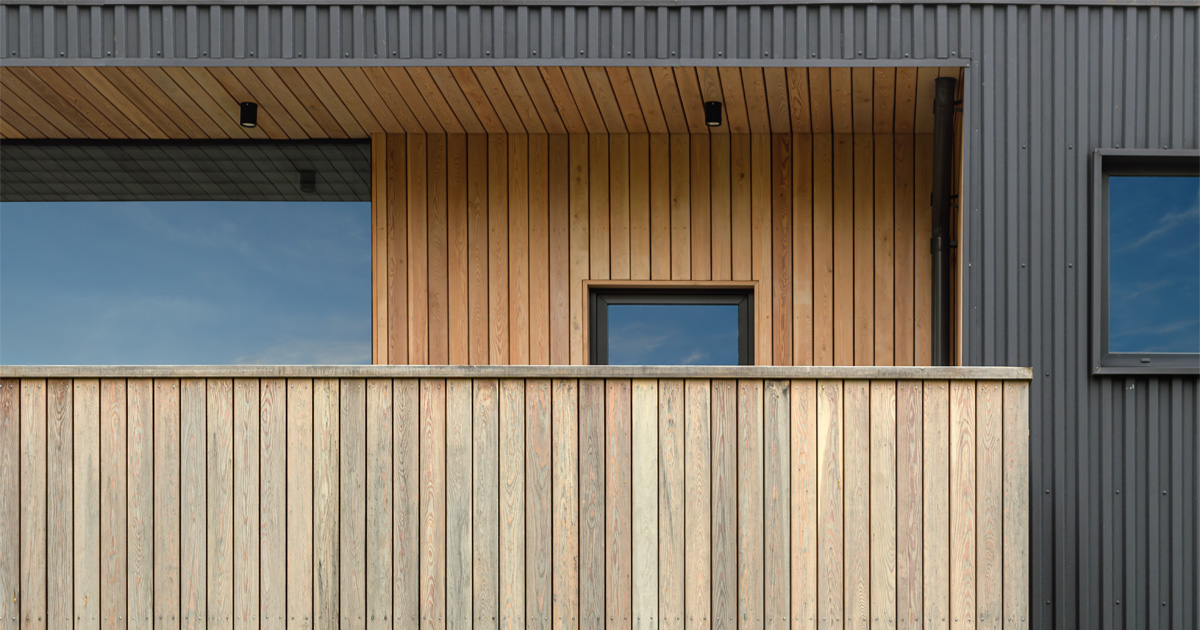
Vertical layouts have become increasingly popular because they offer something different from traditional horizontal designs. The upward lines can create visual height, improve architectural interest, and give a home a cleaner, more modern appearance. Whether you’re planning a complete exterior renovation or simply gathering ideas for future improvements, understanding the different options available can help you choose a design that fits both your taste and your home’s architecture. If you’re still learning about this design approach, exploring how vertical siding can transform a home’s appearance can provide helpful background before comparing specific styles.
1. Why Homeowners Are Paying More Attention to Vertical Siding
For many years, horizontal siding was considered the standard choice for residential construction. It remains popular today, but homeowners are increasingly looking for ways to create a more personalized exterior. That’s where vertical designs often come into the conversation.
One reason for their growing popularity is visual impact. Vertical lines naturally draw the eye upward, which can make certain homes appear taller and more balanced. This effect is especially noticeable on homes with lower rooflines or simpler architectural layouts.
Another reason is versatility. Unlike some exterior trends that only suit specific home styles, vertical installations can work with modern, farmhouse, transitional, coastal, and even certain traditional designs. The final appearance depends largely on the profile, color, and material selected.
Many homeowners also appreciate that these designs help a property stand out without requiring dramatic structural changes. Simply changing the orientation of the siding can significantly alter the overall appearance of a home.
2. Vertical Siding Styles
Not every vertical installation creates the same look. Different profiles, textures, and layouts can completely change the character of an exterior.
Some styles focus on creating texture and depth, while others emphasize clean lines and simplicity. Understanding these differences can help you narrow down the options that align with your goals.
Before making a final decision, it helps to evaluate how each style works with your home’s existing architecture rather than focusing solely on current design trends.
3. Board and Batten Siding
Among all vertical designs, board and batten siding remains one of the most recognizable.
This style consists of wide boards installed vertically with narrower battens covering the seams. The result creates strong shadow lines and noticeable texture across the exterior.
Board and batten has become especially popular because it works well across multiple architectural styles. While many people associate it with modern farmhouse designs, it can also complement cottages, transitional homes, and contemporary builds.
Homeowners often choose this option because it provides visual interest without feeling overly decorative. The depth created by the battens helps break up large wall surfaces while maintaining a clean overall appearance.
Color selection can dramatically influence the final result. White remains a common choice, but darker shades such as charcoal, black, and deep green continue to gain popularity among homeowners seeking a more modern look.
4. Channel Groove Siding
Channel groove systems offer a much cleaner and more streamlined appearance.
Instead of relying on battens to create separation, these designs use grooves between panels to establish subtle vertical lines. This creates a refined appearance that feels contemporary and sophisticated.
Many homeowners prefer channel groove profiles because they emphasize simplicity. The narrower lines create visual structure without adding excessive texture.
This style often works particularly well on homes that feature:
- Large windows
- Minimalist architecture
- Modern landscaping
- Contemporary exterior finishes
Because the design is less visually busy, other architectural features are often allowed to become the focal point of the exterior.
5. Vertical Panel Siding
Large vertical panels create one of the boldest appearances available in residential siding design.
Unlike styles that rely on smaller boards or repeated patterns, panel systems often feature wider sections that reduce visual interruptions across the surface of the home.
This approach creates a cleaner and more modern appearance. Many contemporary homes use this style because it emphasizes simplicity and scale rather than decorative details.
The larger surfaces can also make certain homes appear more cohesive. Instead of drawing attention to individual boards, the eye focuses on the overall architectural form.
For homeowners seeking a contemporary look with strong visual impact, vertical panel systems often become a leading contender.
6. Shiplap-Inspired Vertical Siding
Many homeowners are familiar with shiplap as an interior design feature, but it can also create an attractive exterior appearance.
When installed vertically, shiplap-inspired designs offer a unique combination of texture and simplicity. The overlapping boards create subtle dimension while maintaining a clean overall look.
This style often appeals to homeowners who want something that feels both classic and updated. Depending on the material and finish selected, it can support a variety of design aesthetics.
Natural wood siding can create a warm and rustic appearance, while painted finishes often feel brighter and more contemporary.
The flexibility of this design makes it a popular choice for homeowners who want a distinctive exterior without committing to a highly specialized architectural style.
7. Combining Vertical and Horizontal Siding Designs
One of the most interesting trends in exterior design involves combining different siding orientations on the same home.
Rather than using a single pattern across every wall surface, some homeowners introduce vertical elements as accents while maintaining horizontal sections elsewhere.
This approach helps create contrast and visual hierarchy. Certain architectural features naturally stand out when highlighted with a different orientation.
Common areas for vertical accents include:
- Entryways
- Gables
- Garage sections
- Dormers
- Outdoor living areas
The combination can create a more customized appearance while preventing the exterior from feeling repetitive.
If you’re still evaluating whether this design approach aligns with your goals, it may be useful to explore whether a vertical layout is the right fit for your home before moving forward with a project.
8. Choosing the Right Material for Your Home
The profile you choose is only part of the equation. Material selection influences appearance, maintenance requirements, durability, and long-term performance.
Fiber cement siding remains a popular option because it can mimic natural wood while offering improved resistance to moisture and insects. Many homeowners appreciate its balance of appearance and durability.
Wood siding continues to attract homeowners who value authentic texture and natural character. While maintenance requirements may be higher, the visual appeal remains difficult to replicate.
Vinyl products have evolved considerably over the years. Modern manufacturing techniques now produce more realistic textures and broader color selections than many homeowners expect.
Engineered wood products provide another option by combining wood fibers with protective treatments that help improve durability.
The right choice depends on your budget, maintenance preferences, climate conditions, and design goals.
9. Popular Vertical Siding Styles Comparison Table
| Feature | Board and Batten | Channel Groove | Vertical Panels | Vertical Shiplap |
|---|---|---|---|---|
| Texture | High | Low | Low | Medium |
| Modern Appearance | Moderate | High | High | Moderate |
| Traditional Appeal | High | Low | Low | High |
| Architectural Interest | High | Moderate | High | Moderate |
| Design Flexibility | High | Moderate | Moderate | High |
10. Common Mistakes to Avoid When Choosing Siding
Selecting a style based solely on appearance is one of the most common mistakes homeowners make.
A design that looks impressive online may not complement your home’s architecture. It’s important to evaluate how the profile interacts with rooflines, windows, trim, and other exterior elements.
Another mistake involves overlooking maintenance expectations. Some materials require more ongoing care than others, and those requirements should be considered before making a final decision.
Color selection also deserves careful attention. Even an attractive profile can lose impact if the color feels disconnected from the rest of the home’s exterior design.
Finally, installation quality plays a major role in long-term satisfaction. Even premium products may underperform if installation details are not handled properly.
11. What to Consider Before Starting a Siding Project
Before selecting a specific design, it helps to think about how the finished project will look and perform years from now.
Many homeowners focus heavily on appearance during the decision-making process, but long-term satisfaction often comes from balancing aesthetics with practicality. A style that looks great today should still feel appropriate five or ten years down the road.
Start by evaluating your home’s architecture. Some designs naturally complement certain homes better than others. A sleek contemporary profile may work beautifully on a modern home but feel out of place on a traditional property.
You should also consider maintenance expectations. While many modern products are designed to reduce upkeep, no exterior material is completely maintenance-free. Understanding those requirements before installation can help prevent future frustration.
Climate is another important factor. Sun exposure, moisture levels, seasonal weather patterns, and temperature fluctuations can all influence how certain materials perform over time.
As you narrow down your options, it may also be helpful to review local siding installation and replacement options to better understand how different siding projects are planned and executed.
FAQ
What is the most popular vertical siding style?
Board and batten remains one of the most popular choices among homeowners. Its combination of texture, depth, and versatility allows it to work with a wide range of architectural styles. Many homeowners appreciate that it feels both classic and modern at the same time.
Is vertical siding only used on modern homes?
No. While vertical layouts are often associated with contemporary architecture, they can also complement farmhouse, cottage, transitional, and even some traditional homes. The final appearance depends on the profile, color, material, and overall design of the property.
What materials are commonly used for vertical siding?
Several materials can be used, including fiber cement siding, vinyl, engineered wood, and natural wood siding. Each option offers different benefits related to appearance, durability, and maintenance requirements. The right choice depends on your goals, budget, and long-term expectations.
Does vertical siding improve curb appeal?
Many homeowners believe vertical layouts create a more distinctive appearance than traditional horizontal installations. The strong vertical lines can add visual interest and help certain architectural features stand out. However, curb appeal ultimately depends on how all exterior elements work together.
Is vertical siding harder to maintain than horizontal siding?
Maintenance requirements are usually determined more by the material than the orientation. Fiber cement, vinyl, wood, and engineered wood all have different upkeep expectations regardless of whether they are installed vertically or horizontally. Regular inspections and cleaning remain important for any siding system.
Key Takeaways
- Vertical layouts continue to gain popularity because they create visual height and architectural interest.
- Board and batten remains one of the most widely recognized styles.
- Channel groove systems offer a cleaner and more contemporary appearance.
- Large vertical panels create a bold modern look with minimal visual clutter.
- Shiplap-inspired designs provide texture while maintaining a timeless feel.
- Material selection affects durability, maintenance requirements, and overall appearance.
- Installation quality is just as important as the siding style itself.
Creating a More Distinctive Exterior Design
Choosing the right siding style involves more than following current trends. The best results usually come from selecting a design that complements your home’s architecture, supports your long-term goals, and aligns with your maintenance expectations.
Whether you’re drawn to board and batten, channel groove, vertical panels, or a combination of different layouts, understanding the strengths of each option can help you make a more informed decision. If you’re exploring exterior upgrades and want to learn more about available siding services, additional information can help you better evaluate materials, installation considerations, and design possibilities for your home.
Disclaimer
This article is intended for general informational purposes only and should not be considered professional construction, engineering, or legal advice. Siding performance, maintenance requirements, durability, and appearance may vary depending on material selection, installation quality, climate conditions, and property-specific factors. Homeowners should consult qualified professionals before making final exterior renovation decisions.