
- By Premium Siding & Painting Company
- Siding
- 0 Comment
How to Maintain Siding and Help It Last Longer
Your home’s exterior does a lot more than improve curb appeal. It helps protect your walls from rain, wind, heat, and everyday wear. If you have been wondering how to maintain siding, you are already thinking like a smart homeowner. Regular upkeep can help you avoid preventable repairs, keep your home looking sharp, and extend the life of your exterior materials. The good news is you do not need a complicated routine. Small habits done consistently often matter more than expensive fixes later. If you want a simple place to begin, these simple siding care tips can help you stay ahead of common issues before they grow.
How to Maintain Siding with a Simple Routine
The best maintenance plan is one you can realistically follow. You do not need to inspect every inch of your home every week. What matters most is consistency and paying attention before minor wear becomes a larger problem.
Every few months, walk around your home and look closely at the exterior. Pay extra attention to sides of the house that receive strong sunlight, heavy rain, or deep shade. These sections often age faster than areas with balanced exposure.
Look for:
- Dirt buildup near the lower edges
- Mildew on siding in damp areas
- Cracked panels or chipped spots
- Loose siding panels after storms
- Fading exterior materials where sun exposure is strongest
- Gaps near trim or windows
- Signs of moisture staining
If you notice something early, you often have more affordable options.
Why Regular Upkeep Saves You Money
Many homeowners delay maintenance because everything still looks mostly fine. That is common, but exterior problems usually start small and become more expensive over time.
For example, a loose section may seem cosmetic today. After wind-driven rain or another storm season, that same area can allow moisture behind the surface. A little mildew in one shaded corner can spread if the conditions stay damp.
Routine checks do not take long, and they can reduce surprise repairs. Think of maintenance as protecting your budget just as much as protecting your home.
Siding Maintenance Tips That Make a Difference
Some tasks deliver more value than others. If you want practical results, start with these basics.
Keep Water Moving Away From the House
Clogged gutters and overflowing downspouts often send water directly onto walls. Repeated moisture exposure can stain surfaces and speed up wear.
Clean gutters when needed and make sure downspouts guide water away from the home.
Trim Landscaping Back
Bushes, vines, and branches pressed against walls can scratch finishes, trap moisture, and reduce airflow. They also make inspections harder.
Give your exterior a little breathing room so surfaces can dry properly after rain.
Watch Ground Contact Areas
Mulch, flower beds, and piled soil that sit too high against the wall can hold moisture where it should stay dry. Keep a visible gap near the lower edge whenever possible.
Inspect After Storms
Wind and hail can loosen sections without causing obvious dramatic damage. A quick check after storms can help you catch issues before they spread.
How to Clean Siding Without Creating New Problems
Cleaning should help your exterior, not shorten its lifespan. Many homeowners accidentally cause wear by scrubbing too aggressively or using the wrong tools.
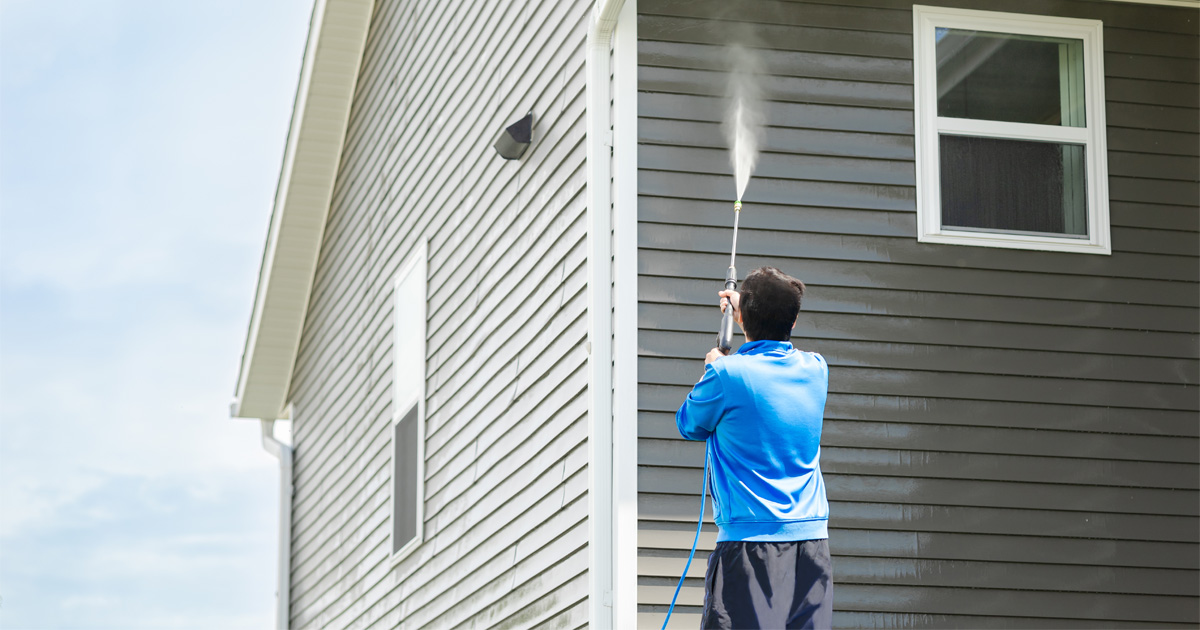
Start with a garden hose to remove loose dirt. Then use mild soap mixed with water for areas that need extra attention. A soft brush or cloth is usually enough for stubborn spots.
After cleaning, rinse thoroughly and let the surface dry naturally.
Avoid:
- Harsh chemicals
- Wire brushes
- Metal scrapers
- High-pressure spray used too close to seams
- Abrasive pads
Gentle cleaning works because most grime sits on the surface. You do not need extreme force to remove it.
Seasonal Habits That Help It Last Longer
Your exterior faces different challenges throughout the year. A few seasonal adjustments can make maintenance easier.
Spring
Spring is a smart time to inspect for winter wear. Look for loosened trim, cracks, or water stains.
Summer
Strong sun can fade finishes and dry out sealants. Check the sides of the house that receive afternoon sunlight first.
Fall
Leaves and debris clog drainage systems. Clear gutters and remove buildup before colder weather arrives.
Winter
Freeze and thaw cycles can widen small openings. If moisture gets into seams first, winter can make that damage worse.
These small habits add up over the years.
Signs Maintenance May Not Be Enough
Maintenance is powerful, but it does not solve every problem forever. Sometimes the exterior reaches a stage where repairs or replacement become smarter long-term choices.
Watch for signs like:
- Repeated cracks in the same area
- Panels pulling away from the wall
- Soft or swollen sections
- Ongoing moisture stains
- Multiple areas failing at once
- Repairs becoming frequent
If damage is already visible, it may help to learn when repairs make sense and when replacement is smarter before spending money on short-term fixes.
When It Makes Sense to Explore Professional Options
There comes a point when cleaning and small touch-ups stop delivering good value. If your exterior has widespread aging, recurring damage, or several weak spots, it may be time to understand your options.
That does not automatically mean full replacement. Sometimes targeted repairs can restore performance. Other times, investing once may save more than repeated patchwork.
Some homeowners compare professional options for worn or aging siding when maintenance alone is no longer giving the results they want.
The right path depends on the age of the materials, current condition, and how long you plan to stay in the home.
Common Mistakes That Shorten Lifespan
Even careful homeowners can make avoidable mistakes. Here are some common ones.
Waiting Too Long
Minor issues rarely improve on their own. A small gap today may become moisture damage later.
Overcleaning
Scrubbing too hard or using harsh tools can wear finishes faster than dirt would.
Ignoring Hidden Sides
Back walls and shaded sides often receive less attention, yet they may develop mildew first.
Skipping Routine Walkarounds
You do not need a ladder or inspection report. A simple walkaround catches more than most people expect.
A Practical Schedule You Can Follow
If you like simple routines, use this as a starting point.
Every 3 Months
- Walk around the home
- Look for visible wear
- Remove debris near walls
Every 6 Months
- Light cleaning if needed
- Check gutters and drainage
- Inspect seams and trim
Once Per Year
- Full exterior review
- Assess replacement warning signs
- Decide whether repairs should be scheduled
This type of routine is realistic for most homeowners and often enough to stay ahead of common problems.
Frequently Asked Questions
Most homes benefit from light cleaning once or twice a year. Homes near trees, heavy dust, or humid conditions may need more frequent attention. Gentle, regular cleaning is usually better than waiting until buildup becomes heavy.
Yes, it can if it is used incorrectly or at too high of a setting. Strong spray angles may force water into seams or damage finishes on some materials. If you are unsure, a softer cleaning method is usually safer.
Look for cracks, loose panels, mildew, swelling, gaps, or fading areas. These signs often appear before larger structural problems happen. Catching them early usually gives you more affordable repair options.
That depends on the material type, installation quality, climate exposure, and maintenance habits. Some products last for decades when cared for properly. Neglect, moisture issues, and repeated storm damage can shorten lifespan significantly.
If repairs are becoming frequent or large sections are failing, replacement may offer better long-term value. Widespread wear can make repeated patchwork less cost-effective over time. A professional evaluation can help you compare options clearly.
Protect Your Home Exterior With the Right Next Step
Regular upkeep helps your home look better and can reduce preventable wear over time. Clean surfaces, dry seams, and early repairs often make a meaningful difference in how long exterior materials perform well.
If your home is showing fading, loose sections, moisture concerns, or recurring damage, exploring professional siding services can help you understand whether repair or replacement makes the most sense.
Disclaimer
This article is for general educational purposes only. Every home is different, and exterior conditions vary based on age, materials, installation quality, weather exposure, and prior maintenance. If you suspect hidden moisture, structural damage, or widespread deterioration, consult a qualified professional for an in-person evaluation.