What Happens If Roofers Find Rotten Wood During a Roof Replacement?
What Happens If Roofers Find Rotten Wood During a Roof Replacement?
Table of Contents
- 1. Why Rotten Wood May Stay Hidden Until the Old Roof Comes Off
- 2. What Roof Decking Does Beneath Your Roofing Materials
- 3. How Roof Sheathing Becomes Rotten or Damaged
- 4. What Happens When Damaged Roof Decking Is Discovered
- 5. What to Expect From a Roof Deck Replacement
- 6. Frequently Asked Questions
- 7. Key Takeaways
- 8. Understanding the Next Steps
- 9. Disclaimer
- 10. Reference
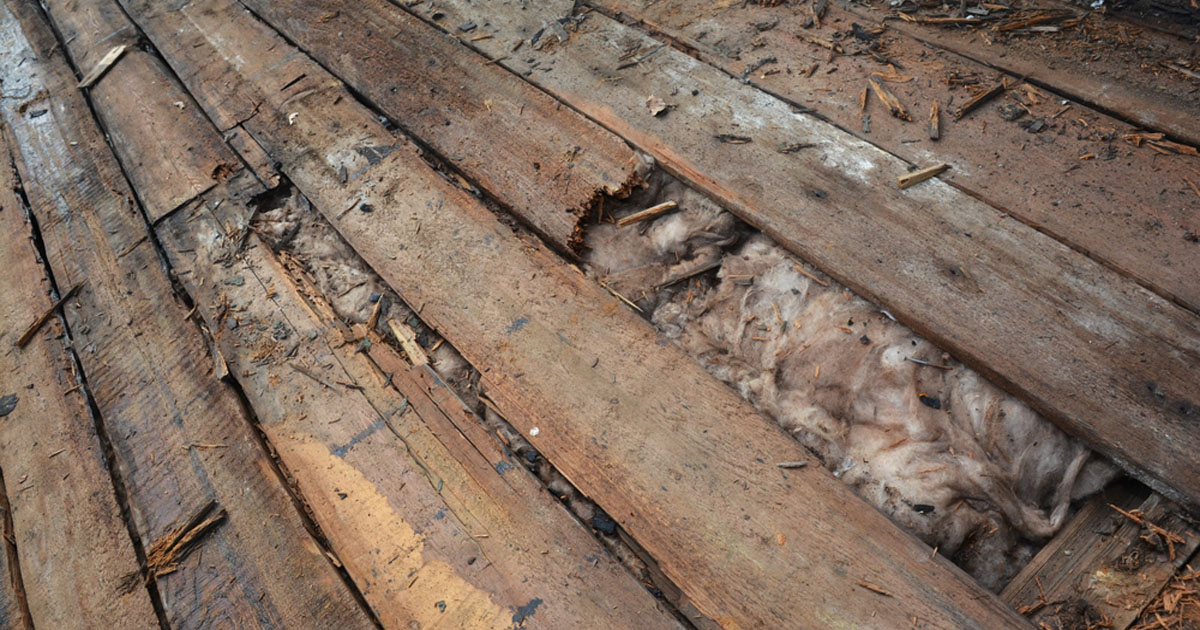
When old roofing materials come off, you may expect the project to move directly into installing the new roof. Sometimes, however, the tear-off exposes roof decking that is soft, deteriorated, or rotten. That discovery can change what needs to happen before new materials go on.
Finding damaged wood does not automatically mean the entire underlying surface needs replacement. The extent of deterioration matters, as does what caused it. Understanding how moisture can move beneath roofing materials without obvious warning signs can help explain why some problems stay concealed until the roof is opened.
Here is what you need to know about why rotten wood may be found, how it is evaluated, and what typically happens next.
1. Why Rotten Wood May Stay Hidden Until the Old Roof Comes Off
Most of the wooden surface beneath a finished roof is not visible during everyday inspections. Shingles or other roof coverings sit above roofing underlayment, which means the condition of the underlying wood can be difficult to see from outside.
That is one reason deterioration sometimes comes as a surprise during replacement.
You might have a roof that looks relatively normal from the ground while moisture has been reaching an area underneath. A small opening around flashing, a penetration, damaged roofing material, or another pathway can allow water to move into places that are difficult to inspect visually.
The location of an interior stain does not necessarily tell you exactly where water entered, either. Water can move along components before becoming noticeable inside your home.
Why Tear-Off Reveals More
During a roof replacement, the old roof covering is removed. Depending on the roofing assembly, the underlayment is also removed or otherwise opened as necessary for the project. This gives installers a much clearer view of the wooden surface underneath.
Areas that looked acceptable before tear-off may reveal staining, softness, deterioration, or other signs that deserve closer evaluation.
This is one reason an initial roof inspection and the conditions found after tear-off can produce different information. Before removal, a contractor can evaluate what is accessible. After removal, previously concealed parts of the assembly become visible.
The tear-off stage can reveal conditions that simply could not be fully observed while the old roofing materials were still in place.
2. What Roof Decking Does Beneath Your Roofing Materials
The wooden layer beneath your roof covering plays an important role in the overall roofing assembly. It creates the surface over the roof framing where underlayment and the finished roof covering can be installed.
Common materials used for this part of a roof include plywood sheathing and oriented strand board, commonly called OSB. The specific material and construction can vary depending on the home, its age, and the roofing system.
You can think of this layer as part of the connection between the structural framing and the weather-facing roofing materials above it.
Why Its Condition Matters
A sound installation surface is important because roofing components need an appropriate base beneath them. If sections of wood have deteriorated significantly, simply covering those areas with new materials does not address the underlying condition.
For example, imagine removing old shingles and finding a section of wood near a penetration that feels noticeably soft compared with the surrounding material. Installing the new roofing assembly over that area without first determining the extent of deterioration could leave an unresolved problem beneath a brand-new roof.
This is why installers evaluate exposed areas before moving forward.
Not every stain means the wood has lost its ability to perform its intended function. Likewise, not every problem requires replacing large portions of the surface. The actual condition has to be assessed rather than judged from appearance alone.
3. How Roof Sheathing Becomes Rotten or Damaged
Roof sheathing does not normally rot simply because it is old. Wood deterioration generally involves prolonged or repeated exposure to moisture.
Water intrusion can happen for several reasons. A roof penetration may develop a problem. Flashing may become damaged or displaced. Roofing materials may deteriorate. Wind-driven rain may find an opening. Condensation or other moisture conditions can also affect parts of a roofing assembly under certain circumstances.
Once moisture reaches wood and the material remains damp for extended periods, deterioration can develop.
Small Problems Can Become Less Small Over Time
Imagine a minor leak that allows a small amount of water beneath the roof covering during heavy rain. You may not notice dripping inside your home because the water never reaches the ceiling.
Instead, moisture repeatedly affects the same concealed area.
Over time, that area may stain, swell, soften, or deteriorate. By the time the old roofing materials are removed, the condition underneath can be more extensive than the exterior appearance suggested.
This is one reason keeping up with routine roof care and watching for developing problems matters. Maintenance cannot prevent every roofing problem, but it can create opportunities to identify damaged materials, drainage concerns, and other conditions before they remain unnoticed for long periods.
The Cause Matters Too
Finding rotten wood answers only one question: there is deterioration.
It does not automatically explain why the deterioration occurred.
Before covering the area again, it is important to consider the likely moisture source. Otherwise, replacing deteriorated wood without addressing the condition that contributed to it may leave the underlying cause unresolved.
4. What Happens When Damaged Roof Decking Is Discovered
When installers expose deteriorated material, the first step is generally to determine how much of the surrounding area is affected.
Visible damage may be limited to one section, or deterioration may extend beyond the first area that looks questionable. Installers need enough access to understand where sound material ends and compromised material begins.
According to GAF, evaluating roof-deck wood rot may involve removing shingles and underlayment so the extent of deterioration can be determined. Rotted sheathing can then be removed and replaced with new plywood or OSB before the roofing assembly is completed.
What You Can Expect as a Homeowner
If unexpected deterioration is found, your contractor may need to explain what was uncovered and whether additional work is necessary before installation continues in that area.
This can affect the project scope because concealed deterioration cannot always be quantified before tear-off.
The amount of additional work depends on what is actually found. A small isolated section is different from widespread deterioration across several areas.
That is also why it is useful to understand how your estimate handles unforeseen conditions. Before work begins, you can ask how unexpected wood replacement is documented, how additional material is calculated, and how you will be informed if concealed damage is discovered.
Finding deteriorated wood should lead to evaluation, not guesswork. The goal is to understand the affected area before it disappears beneath new roofing materials.
5. What to Expect From a Roof Deck Replacement
A roof deck replacement does not necessarily mean removing every sheet of wood across your entire home. When deterioration is localized, work may focus on the affected material, depending on the actual condition and project requirements.
Once compromised material has been identified, it can be removed so suitable replacement sheathing can be installed.
Plywood and OSB are commonly used sheathing products, but the appropriate material, thickness, fastening, spacing, and installation details depend on the roof assembly, applicable requirements, and product specifications.
What Happens Before the New Roof Continues
After necessary wood repairs are completed, installers can continue preparing the surface for the remaining roofing components. That may include roofing underlayment, flashing, and the selected roof covering according to the system being installed.
The sequence matters.
New shingles or other roofing materials should not be viewed as a way to hide an unresolved problem underneath. The underlying surface is part of the roofing system, so conditions exposed during tear-off need to be considered before they are covered again.
Unexpected repairs can also affect timing and cost. How much depends on the size and location of the affected area, the material required, labor involved, and other project-specific conditions.
If you are already considering professional options for a roof that needs repair or replacement, understanding the possibility of concealed wood deterioration can help you ask better questions before work starts.
Frequently Asked Questions
Can roofers tell if the wood is rotten before removing the shingles?
Sometimes there are warning signs, but concealed deterioration cannot always be fully evaluated before tear-off. Interior staining, visible moisture damage, soft areas that can be accessed, or other symptoms may suggest a problem. However, removing the old roofing materials often provides a much clearer view of the underlying surface.
Does rotten wood mean the whole roof has to be replaced?
Not necessarily. The amount of affected material can vary considerably. One roof may have a localized deteriorated area near a penetration, while another may have more widespread problems. The exposed material needs to be evaluated to determine the actual extent of the work required.
Can new shingles be installed over rotten wood?
Significantly deteriorated wood should not simply be treated as though it were a sound installation surface. If compromised material is discovered, the condition needs to be evaluated and appropriately addressed before the roofing assembly continues. Project-specific requirements can depend on the roofing system and applicable building requirements.
How much does replacing rotten wood add to a roofing project?
There is no single amount that applies to every project. Cost can depend on how much material needs replacement, the type of sheathing required, labor, accessibility, and the conditions discovered after tear-off. Your roofing estimate should explain how unforeseen wood replacement or other concealed conditions will be handled if they are found.
Can rotten wood be prevented?
You cannot prevent every unexpected roofing problem, but reducing prolonged moisture exposure is important. Addressing leaks, damaged materials, drainage issues, flashing concerns, and other water-entry pathways can help limit conditions that contribute to wood deterioration. Regular observation and timely evaluation of suspected problems can also help identify concerns earlier.
Key Takeaways
Discovering rotten wood during a replacement can be frustrating, especially if you were not expecting additional work. Understanding why it happens makes the situation easier to evaluate.
- Deteriorated wood can remain concealed until old roofing materials are removed.
- Repeated or prolonged moisture exposure is a common contributor to wood rot.
- The affected area should be evaluated before new materials cover it.
- Localized deterioration does not automatically mean every sheet needs replacement.
- The moisture source should be considered along with the damaged material.
- Unexpected wood repairs may affect the project’s scope, timing, and cost.
The most useful question is not simply whether damaged wood was found. You also want to understand how much is affected, why it deteriorated, and what needs to happen before the roofing work continues.
Understanding the Next Steps
Finding rotten wood after tear-off does not have to leave you confused about what happens next. Once the area is exposed, you have an opportunity to understand the condition of the underlying materials before they disappear beneath a new roof.
Ask what was found, how extensive the deterioration appears to be, what may have caused it, and what repairs are being recommended. If additional work changes the original scope, make sure you understand what is changing and why.
A roof is a system, and the visible covering is only one part of it. Taking care of deteriorated underlying materials before installation continues helps ensure that the project addresses what was actually uncovered rather than focusing only on what will be visible afterward.
If you have questions about damaged wood discovered during a roofing project, professional roofing services can help you understand the condition of your roof and the appropriate next steps for your property.
Disclaimer
This article is intended for general educational and informational purposes only. It is not a substitute for professional construction, structural engineering, architectural, insurance, legal, or building-code advice.
Roof construction, sheathing materials, deterioration, moisture sources, repair methods, fastening requirements, material specifications, and applicable codes can vary according to the property, roofing system, manufacturer instructions, jurisdiction, and conditions discovered during the project.
Do not rely on general online information to determine whether a particular section of wood is structurally suitable or requires replacement. A qualified professional should evaluate property-specific conditions and determine the appropriate work based on the roof, materials, and applicable requirements.