What Happens During a Professional Roof Inspection?
What Happens During a Professional Roof Inspection?
Table of Contents
- 1. Why a Professional Roof Inspection Matters
- 2. What Does an Asphalt Roof Inspection Include?
- 3. What Happens During the Inspection Process
- 4. Common Roofing Problems an Inspection Can Reveal
- 5. When Should You Schedule a Roof Inspection?
- 6. Understanding Your Inspection Results
- 7. FAQ
- 8. Key Takeaways
- 9. Stay Ahead of Roofing Problems Before They Become Bigger Repairs
- 10. Disclaimer
Your roof protects your home every day, but it’s easy to forget about it until something goes wrong. If you’ve ever wondered what happens during an Asphalt Roof Inspection, you’re not alone. Many homeowners are unsure what inspectors actually look for or why routine inspections are recommended. Understanding the process can help you catch small concerns early and avoid more expensive repairs later.
A professional inspection involves much more than checking for missing shingles. Every major part of the roofing system is evaluated to identify signs of wear, damage, or aging before those issues become larger problems. Learning what causes shingles to curl or crack over time can also help you recognize some of the early warning signs that inspectors commonly identify.
1. Why a Professional Roof Inspection Matters
Your roof is one of the most important parts of your home. It protects your family, belongings, and the structure itself from rain, wind, sunlight, and changing weather conditions. Because it performs this job every day, roofing materials naturally experience wear over time.
The challenge is that many roofing problems begin long before they’re visible from the ground. A loose shingle, deteriorating flashing, or a small area of moisture intrusion may not seem significant at first, but these issues can gradually become more serious if left unaddressed.
Routine inspections give you the opportunity to understand your roof’s condition before unexpected leaks or structural concerns develop. Rather than reacting to a problem after damage has already occurred, inspections help you plan maintenance based on the actual condition of the roof.
They also provide peace of mind. Whether your roof is only a few years old or approaching the later stages of its lifespan, knowing that a professional has carefully evaluated it can help you feel more confident about its performance.
Many homeowners also schedule inspections after buying a home. Even if a property appears to be in excellent condition, a professional evaluation provides additional information that may not be obvious during a standard home walkthrough.
Regular inspections are part of responsible homeownership. Just as you maintain your HVAC system or clean your gutters, inspecting your roof helps protect one of your home’s most valuable investments.
2. What Does an Asphalt Roof Inspection Include?
A thorough roof inspection examines much more than the shingles themselves. Professional inspectors evaluate the entire roofing system because every component works together to keep moisture out and protect the structure below.
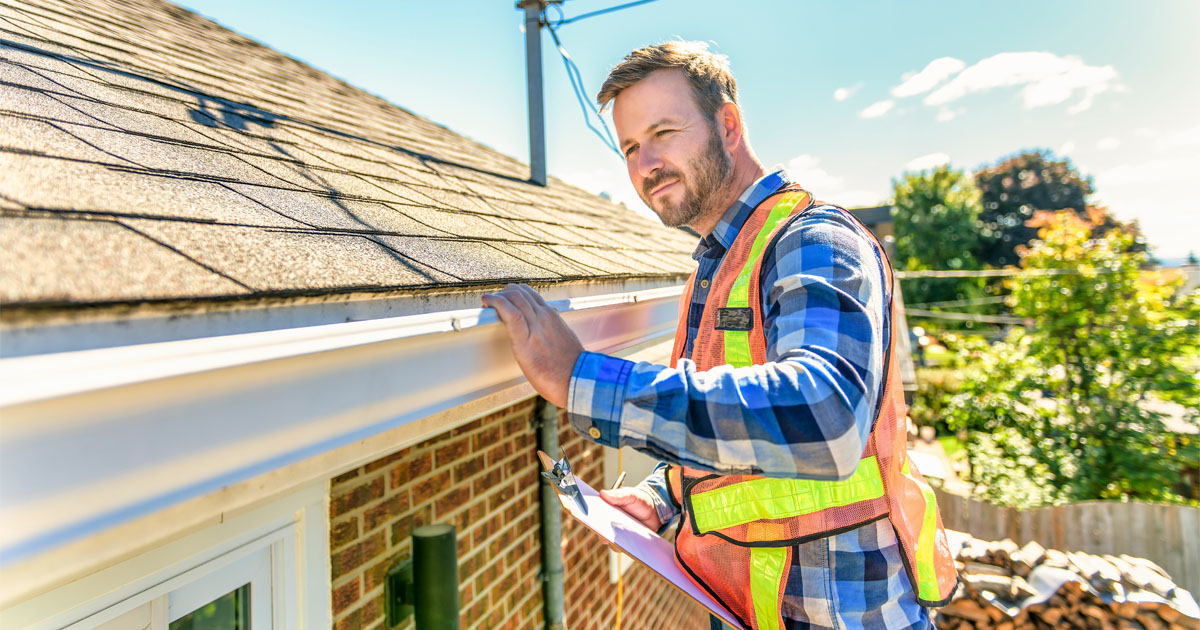
The inspection typically begins with an overall visual assessment of the roof. This allows the inspector to identify obvious concerns before taking a closer look at individual areas.
Shingles are carefully examined for signs of aging, lifting, cracking, granule loss, and storm damage. Even small changes in their appearance can indicate that maintenance or repairs may eventually become necessary.
Roof flashing receives special attention because it protects areas where different roofing materials meet. Flashing around chimneys, skylights, plumbing vents, and roof valleys must remain properly sealed to prevent water from entering the home.
Inspectors also evaluate roof penetrations, ridge caps, valleys, drip edges, gutters, and visible drainage paths. Since water naturally follows the path of least resistance, these areas often reveal early signs of developing issues.
Ventilation is another important part of the inspection. Proper airflow helps regulate attic temperatures while reducing excess moisture. Inadequate ventilation may contribute to premature roof aging and create conditions that affect insulation and indoor comfort.
Whenever conditions allow, inspectors also look inside the attic. This portion of the inspection often reveals hidden problems that cannot be seen from outside.
They may look for:
- Water stains on framing or decking
- Damp insulation
- Signs of moisture intrusion
- Inadequate airflow
- Mold or mildew growth
- Daylight entering through the roof structure
Examining both the exterior and interior provides a more complete picture of the roof’s overall condition.
3. What Happens During the Inspection Process
Many homeowners imagine a roof inspection as someone walking across the shingles for a few minutes before giving a quick opinion. In reality, the process is much more thorough and methodical.
Most inspections begin with a conversation about the roof’s history. You may be asked whether you’ve noticed leaks, missing shingles, water stains, or previous repairs. Information about recent storms or other concerns also helps inspectors focus on specific areas during the evaluation.
After gathering this information, the inspector begins the exterior assessment.
Each section of the roof is examined carefully instead of rushing through the process. Particular attention is given to roof valleys, flashing, roof penetrations, gutters, ridge caps, and other areas where problems commonly develop.
Inspectors also check for uneven roof surfaces that could indicate structural movement or underlying damage. They look for exposed fasteners, deteriorating sealants, damaged shingles, loose materials, and evidence of previous repairs.
Granule loss is another important observation. Asphalt shingles naturally lose some protective granules as they age, but excessive loss may indicate that the shingles are becoming less effective at protecting against weather exposure.
The inspection doesn’t stop at the roofing materials themselves. Gutters are evaluated to ensure water flows away from the roof properly, while surrounding tree branches or accumulated debris may also be noted if they could contribute to future maintenance concerns.
Every observation helps build a complete understanding of how the roof is performing today and what may require attention in the future.
4. Common Roofing Problems an Inspection Can Reveal
One of the greatest benefits of a professional inspection is identifying issues before they become expensive repairs.
Some problems develop slowly over several years, while others appear suddenly after severe weather. Either way, catching them early often provides homeowners with more options for addressing them.
Inspectors frequently identify damaged or missing shingles caused by strong winds. They may also discover deteriorating flashing that allows moisture to enter around chimneys or roof penetrations.
Granule loss is another common finding, especially on older roofs. Since granules help protect shingles from ultraviolet exposure, excessive loss may indicate the roofing material is gradually wearing out.
Roof leaks are not always obvious. Moisture can travel along roof decking before appearing inside the home, making professional inspections especially valuable for locating the source before visible interior damage develops.
Ventilation problems are also fairly common. Poor attic airflow may contribute to trapped heat and moisture, affecting both roofing materials and insulation over time.
Not every issue means the roof requires replacement. Many inspections identify maintenance items or localized repairs that help extend the overall life of the roofing system while preventing larger problems from developing.
5. When Should You Schedule a Roof Inspection?
Knowing when to schedule an inspection is just as important as understanding what happens during one. Many homeowners wait until they notice a leak or visible damage, but by then, a minor issue may have already become more expensive to repair.
A roof inspection is a smart idea after severe weather events such as hail, heavy rain, or strong winds. Even if your roof appears undamaged from the ground, some problems are difficult to spot without a closer evaluation. Loose shingles, lifted flashing, or small punctures may not become noticeable until moisture begins entering the home.
Another good time to schedule an inspection is before buying or selling a house. Buyers gain a better understanding of the roof’s condition, while sellers can address potential concerns before listing their property. This often helps prevent unexpected surprises during the transaction process.
Older roofs also benefit from routine evaluations. As roofing materials naturally age, periodic inspections make it easier to monitor wear and plan future maintenance before major repairs become necessary.
If an inspection identifies concerns that require professional attention, it may be beneficial to work with an experienced roofing professional who can explain the findings and recommend practical solutions based on your roof’s condition.
6. Understanding Your Inspection Results
Once the inspection is complete, you’ll usually receive a summary explaining what was found and whether any action is recommended. Some inspectors provide written reports with photographs, making it easier to understand the condition of different areas of the roof.
In many cases, the results are reassuring. The roof may simply require routine maintenance, such as clearing debris, replacing a few damaged shingles, or resealing flashing around roof penetrations.
Other inspections identify concerns that should be monitored over time. For example, normal aging may not require immediate repairs, but documenting the roof’s condition creates a useful baseline for future inspections.
Occasionally, the inspection may reveal more extensive deterioration. Widespread granule loss, repeated moisture intrusion, multiple damaged shingles, or structural concerns may indicate that larger repairs are becoming necessary.
When repairs are no longer the most practical long-term solution, understanding the warning signs that a roof may need replacement can help you better understand what those findings may mean and what options are available moving forward.
Remember that the goal of an inspection is not simply to find problems. It provides valuable information that helps you make informed decisions about maintaining one of the most important parts of your home.
FAQ
How long does a professional roof inspection usually take?
Most residential roof inspections take between 45 minutes and two hours, depending on the size, design, and overall condition of the roof. Larger homes or roofs with multiple slopes, valleys, and architectural features may require additional time for a thorough evaluation. A careful inspection is more valuable than a rushed assessment because it gives the inspector time to evaluate every major component properly.
What does a roof inspector look for?
A roof inspector evaluates shingles, flashing, gutters, roof penetrations, ventilation, drainage systems, and other visible components that help protect your home from weather exposure. They also look for signs of damaged shingles, roof leaks, moisture intrusion, granule loss, and other conditions that could affect long-term performance. Whenever possible, the attic may also be inspected to identify hidden concerns that cannot be seen from the roof itself.
Can a roof inspection detect hidden problems?
Yes. While not every issue is immediately visible, professional inspections often identify early warning signs before noticeable damage appears inside the home. Moisture stains, deteriorating flashing, ventilation concerns, and subtle changes in roofing materials may all indicate developing problems that deserve attention.
Should I have my roof inspected after a storm?
A professional inspection is often recommended after severe storms involving hail, strong winds, or heavy rainfall. Storm damage isn’t always visible from the ground, and even small areas of damage can allow moisture to enter the roofing system over time. Scheduling an inspection helps determine whether repairs are necessary before more significant problems develop.
How often should a roof be professionally inspected?
Many homeowners choose to schedule a professional inspection every one to two years as part of their regular roof maintenance routine. Older roofs or homes exposed to frequent severe weather may benefit from more frequent evaluations. Following a consistent inspection schedule makes it easier to monitor changes and address concerns before they become larger repair projects.
Key Takeaways
- Professional roof inspections evaluate the entire roofing system, not just the shingles.
- Routine inspections help identify small problems before they become costly repairs.
- Inspectors examine roofing materials, flashing, ventilation, gutters, and other important components.
- Regular evaluations help homeowners understand their roof’s condition and plan future maintenance.
- Early detection often provides more repair options and helps extend the roof’s overall lifespan.
Stay Ahead of Roofing Problems Before They Become Bigger Repairs
Understanding what happens during a professional roof inspection helps you make informed decisions about caring for your home. Routine inspections provide valuable insight into the condition of your roof and can help you address small concerns before they lead to larger repairs or unexpected expenses.
If you’d like to learn more about maintaining, repairing, or replacing your roof, explore our Roofing Services to better understand the options available for protecting your home over the long term.
Disclaimer
This article is intended for general informational purposes only and should not be considered professional construction, engineering, insurance, or legal advice. Roofing conditions vary depending on factors such as age, materials, installation quality, weather exposure, and overall property conditions. For recommendations specific to your home, consult a qualified roofing professional who can perform a comprehensive on-site evaluation.