How Can You Tell If Your Roof Has a Structural Problem?
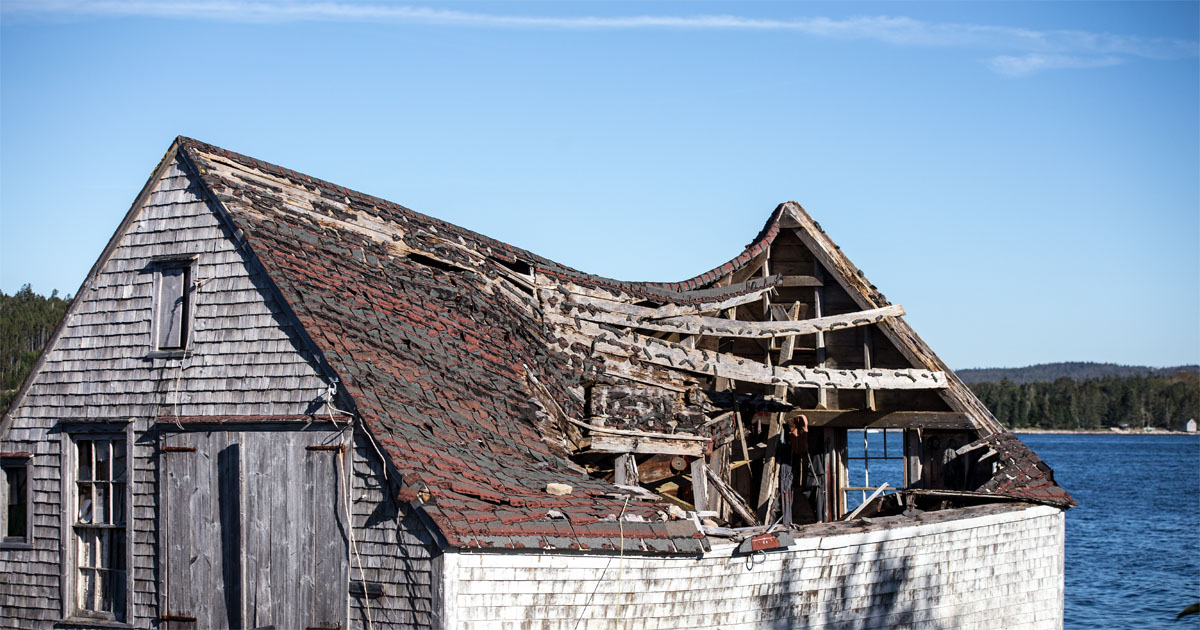
How Can You Tell If Your Roof Has a Structural Problem?
Table of Contents
- 1. Why Structural Roof Problems Are Not Always Easy to Spot
- 2. What Changes in Your Roofline Can Tell You
- 3. How Roof Framing Problems May Appear Inside Your Home
- 4. What Can Cause Roof Structural Damage?
- 5. When Should Structural Roof Problems Be Evaluated?
- 6. Frequently Asked Questions
- 7. Key Takeaways
- 8. Understanding Your Roof
- 9. Disclaimer
- 10. Reference
Your roof structure supports much more than the shingles or other materials you see from outside. When something changes underneath the surface, the warning signs can be surprisingly subtle. You might notice a slight dip in the roofline, a new ceiling crack, or an area that simply looks different than it used to.
Knowing what helps your roof stay in good condition over time can make these changes easier to recognize because you have a better idea of what normal conditions should look like.
Here is what you should watch for, what those signs may mean, and when a closer evaluation makes sense.
1. Why Structural Roof Problems Are Not Always Easy to Spot
When you look at your roof, the shingles or metal panels naturally get most of your attention. They are visible from outside and are often where homeowners first notice wear or damage.
But the visible roofing material is only part of the system.
Underneath are components such as roof decking, rafters or roof trusses, and connections that help support the roof and transfer loads through the home. Many of these components are concealed, so a problem can develop without immediately creating an obvious change on the surface.
That is why spotting a potential structural concern is often about recognizing changes rather than looking for one unmistakable symptom.
Pay Attention to What Looks Different
Think about how your roof normally looks.
If a section that once appeared straight begins to dip, or an area of the roofline starts looking uneven, that change deserves attention. The same applies if you notice movement or a change in shape that was not there before.
A visible change does not automatically mean there is serious structural damage. Roofing materials, previous repairs, building movement, and other conditions can affect appearance.
The important point is that a new or worsening change gives you a reason to investigate further.
For example, a slight wave along a roof plane may look minor from the ground. If that wave becomes more noticeable over time, however, simply watching it indefinitely may not give you the information you need.
You do not need to diagnose the problem yourself. Your job is to recognize when something has changed enough to deserve a closer look.
2. What Changes in Your Roof Structure Can Tell You
One of the most noticeable signs of a possible structural concern is a roofline that no longer appears straight or consistent.
A sagging roof can show up as a dip along a slope, ridge, or localized section. An uneven roofline may appear wavy or lower in one area when viewed from a safe distance.
These changes can have different causes. Appearance alone cannot tell you which component is responsible or how serious the condition may be.
Look Beyond the Visible Roofing Material
Shingles can sometimes look relatively normal even when a concern exists somewhere beneath them.
Roof decking sits beneath the exterior roofing material and helps provide a surface for the roof covering. Beneath or alongside the decking, the roof framing system provides structural support.
Moisture can complicate what you see because water does not always become visible directly below where it entered. It may move through concealed areas before you notice staining or another symptom indoors.
Understanding how moisture can remain hidden beneath roofing materials can help explain why a roof that looks acceptable from outside may still deserve further investigation.
That does not mean every hidden leak creates a structural problem. The condition of the affected materials, how long they have been exposed to moisture, and the source of the water all matter.
Watch the Pattern Over Time
A photograph can be surprisingly useful when you are unsure whether something is changing.
Take pictures from the same safe location and angle. If a dip, wave, or other irregularity becomes more noticeable, you have useful information to share during an evaluation.
Avoid climbing onto the roof simply to get a closer look. If you are already concerned about sagging or structural movement, walking on the questionable area may create unnecessary risk.
3. How Roof Framing Problems May Appear Inside Your Home
Possible roof framing concerns do not always reveal themselves outside first. Sometimes the earliest noticeable changes occur inside the house.
Your ceiling and upper walls sit below the roofing system. Changes involving the components above them can sometimes correspond with visible changes indoors.
The important word is sometimes.
A ceiling crack does not automatically mean you have damaged rafters or roof trusses. Drywall joints, temperature changes, ordinary building movement, previous repairs, and other conditions can also cause cracks.
Look for More Than One Clue
One isolated cosmetic change may have a simple explanation. Several new changes occurring in the same general area can provide more useful context.
Imagine that you notice a slight dip in one roof plane. Later, you notice a new ceiling crack in approximately the same part of the house. Neither observation proves that the two conditions are connected.
Together, however, they give you a stronger reason to have the area examined rather than making assumptions.
If your attic is safely accessible, you may also notice changes involving visible rafters, trusses, decking, or connections. These components are part of the larger roof support system.
Do not cut, drill, straighten, remove, or otherwise modify a structural component simply because it looks unusual. Roof trusses and framing members are designed to work as part of a system, and an alteration can affect more than the area you change.
Moisture Can Add Another Clue
Water staining or damp materials can also appear around the ceiling, attic, or upper walls.
The source could involve roofing, condensation, plumbing, ventilation, or another condition. A stain tells you that moisture has been present, but it does not tell you exactly where the moisture originated or whether supporting components have been damaged.
This is another reason observation is different from diagnosis.
4. What Can Cause Roof Structural Damage?
Roof structural damage can develop for different reasons, and the cause is not always visible from the surface. The home’s framing design, materials, age, previous work, moisture exposure, and connections can all affect what you eventually see.
One useful concept to understand is that a roof does not support loads through one component alone. Framing members and connections work together as part of a larger structural system.
The International Code Council publishes model building codes that include requirements addressing residential roof and ceiling construction. These requirements provide an important technical framework for how structural framing and related components are considered in residential construction.
Persistent Moisture
Wood roof components can deteriorate when they remain exposed to unwanted moisture.
The important issue is not simply whether water has appeared once. You need to consider where it came from, whether the source has been corrected, how long the materials were exposed, and what condition those materials are in now.
A ceiling stain alone cannot answer those questions.
Changes to Framing Components
Previous renovations can sometimes affect structural components.
Rafters, roof trusses, and their connections are not simply pieces of wood that can always be moved or modified independently. Altering one component may affect how loads move through the surrounding system.
This is why cutting or drilling a framing member to make space for mechanical equipment, storage, wiring, or another improvement should not be treated casually.
Loads and Connections
The roof must also carry its own materials and deal with forces placed on the system.
How those loads are handled depends on the design and construction of the particular home. Connections matter because individual framing components need to work together rather than independently.
A visible symptom may show you where something looks wrong, but understanding why it happened usually requires looking at the broader system.
5. When Should Structural Roof Problems Be Evaluated?
You might be wondering how serious a warning sign needs to become before you have someone look at it.
There is no single visual test that works for every home. However, a new or worsening change generally deserves more attention than something that has remained stable for years.
A visibly sagging area, a roofline that appears to be changing, noticeable structural movement, or several related symptoms occurring together are reasonable reasons to seek a closer evaluation.
You should also pay attention when you know moisture has been affecting roof structural components for an extended period.
What an Evaluation Can Help Determine
An evaluation can help separate a surface roofing concern from a problem involving underlying materials or supporting components.
Depending on what is visible and safely accessible, the assessment may consider roofing materials, decking, framing, flashing, penetrations, and other relevant areas.
Sometimes the concern turns out to be localized. In other situations, additional investigation may be needed to understand what is happening.
If you want to better understand what may be considered when a roofing concern is examined, learning about professional roof evaluation options can provide useful context before you decide on your next step.
The purpose of an evaluation is not to assume the worst. It is to replace uncertainty with better information.
Frequently Asked Questions
Is a sagging roof always a structural problem?
No. A sagging or uneven appearance is a warning sign rather than a diagnosis. Decking conditions, framing, previous work, installation details, and other factors may affect how a roof looks.
The important questions are whether the condition is new, whether it appears to be getting worse, and whether other warning signs are present. An evaluation can help determine which components are actually involved.
What are the early signs of structural roof problems?
Possible warning signs include a changing roofline, localized dips, unusual movement, or interior changes that appear alongside an exterior concern.
You should pay particular attention to patterns. One small ceiling crack may have several possible explanations. A changing roofline combined with new interior symptoms in the same general area provides more reason for investigation.
Can moisture damage roof framing?
Persistent moisture can contribute to deterioration of wood materials. However, discovering a leak or water stain does not automatically mean the framing has lost structural capacity.
The source, duration of exposure, materials affected, and current condition all matter. Those details generally require a property-specific evaluation.
Can you identify structural roof problems from the ground?
You can recognize certain warning signs from a safe location on the ground. These may include a dip in a roof plane, a changing ridge line, or an area that appears uneven compared with the rest of the roof.
What you cannot do from the ground is determine the condition of concealed framing with certainty. Observing a change is useful, but identifying the cause requires more information.
Can structural roof problems be repaired?
Many roofing and structural conditions can be addressed, but the appropriate solution depends on what caused the problem and which components are affected.
An issue involving a localized section of decking is different from one involving rafters, trusses, connections, or multiple components. Determining the cause first helps prevent you from choosing a repair that addresses only the visible symptom.
Key Takeaways
Possible structural concerns can be easier to manage when you recognize changes early and avoid trying to diagnose the system based on one symptom.
- Watch for new sagging, dips, an uneven roofline, or several related changes occurring together.
- Remember that visible roofing materials are only one part of a larger support system.
- Do not assume that every ceiling crack, stain, or irregular roofline proves structural damage.
- Avoid cutting, moving, or modifying rafters, trusses, or other structural components without appropriate guidance.
- Have new, worsening, or unexplained changes evaluated so you can understand the cause before deciding what work may be appropriate.
The goal is not to become your own structural expert. It is to recognize when your roof is showing you something worth investigating.
Understanding Your Roof
An unusual dip, crack, or change in the roofline can be concerning, but the visible symptom rarely provides the entire answer.
Start by considering what has changed. Think about when you first noticed it, whether it appears to be getting worse, and whether other changes have appeared nearby. Those observations can provide useful context during a professional evaluation.
It is equally important not to assume that intact shingles mean everything underneath them is fine. At the same time, an uneven area does not automatically mean the roof is unsafe. Understanding the difference requires looking at the actual conditions rather than relying on appearance alone.
If you have questions about changes in your roof and want to understand what may be happening, professional roofing services can help evaluate the roofing system and clarify what next steps may be appropriate.
Disclaimer
This article is intended for general informational and educational purposes only. It is not professional roofing, structural engineering, architectural, construction, insurance, or legal advice.
Roof designs, framing systems, materials, loads, connections, previous modifications, and existing conditions vary between properties. A visible dip, crack, stain, uneven area, or other warning sign cannot by itself establish the cause, severity, or structural safety of a roofing system.
Do not climb onto or enter an area you believe may be structurally unstable. Do not cut, drill, move, reinforce, or otherwise modify structural roof components based solely on information in this article. Suspected structural concerns should be evaluated by appropriately qualified professionals based on the specific conditions of the property.